To build a monthly receipt workflow that sticks, start by choosing user-friendly digital tools like mobile apps for quick receipt capture and cloud storage for easy access. Dedicate a specific day each month for categorizing, reviewing, and backing up receipts. Use labels and color codes to keep everything organized, and set reminders to stay on top of updates. Keep it simple and consistent, and you’ll find maintaining your system becomes second nature—there’s more to optimize for long-term success.
Key Takeaways
- Dedicate a specific day and time each month for reviewing and organizing receipts to establish consistency.
- Use digital tools with automatic categorization, OCR, and cloud backup to simplify and streamline the process.
- Immediately categorize and label receipts upon receipt to prevent clutter and ensure easy retrieval later.
- Set automated reminders for backups, audits, and regular reviews to maintain system reliability.
- Keep the workflow simple and scalable, regularly reviewing and optimizing methods for ongoing effectiveness.
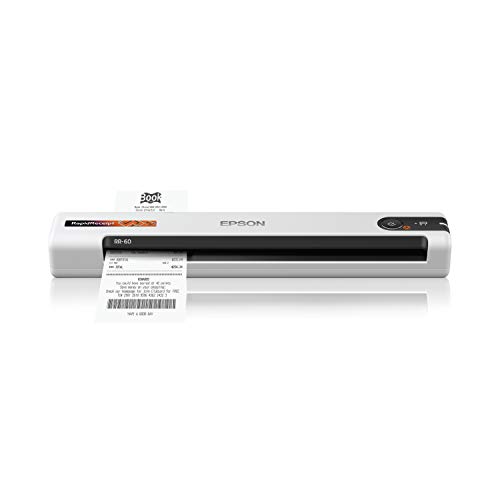
Epson RapidReceipt RR-60 Mobile Tax Receipt and Color Document Scanner with Complimentary Data Management Software for PC & Mac
ScanSmart AI PRO Technology — Intelligently convert and extract scanned information into smart digital data – making your…
As an affiliate, we earn on qualifying purchases.
As an affiliate, we earn on qualifying purchases.
Why an Organized Receipt Workflow Saves You Time and Stress
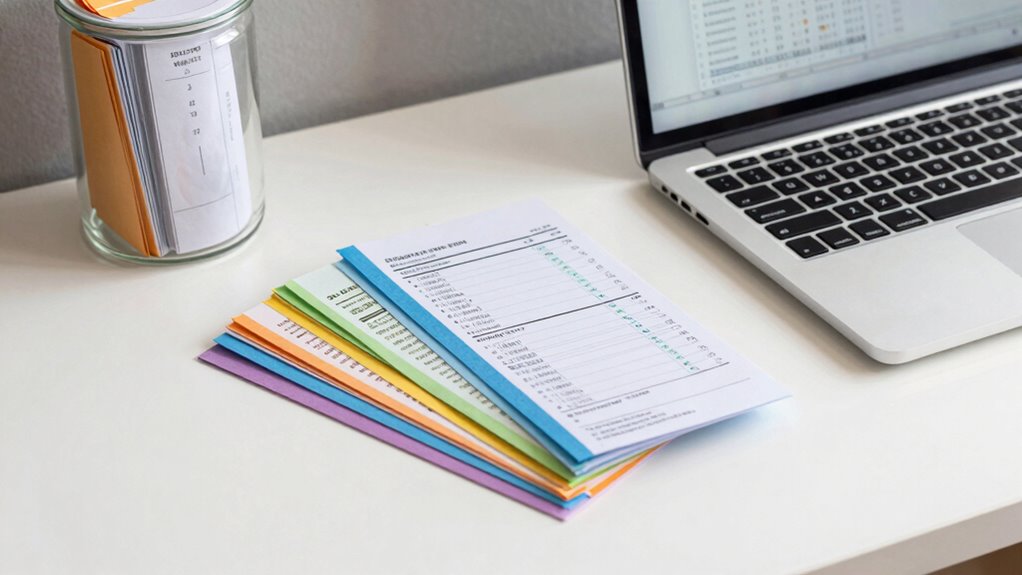
An organized receipt workflow can save you significant time and reduce stress by making it easy to find and verify expenses. When you use digital storage, you eliminate clutter and the risk of losing paper receipts. Saving receipts digitally allows you to access them quickly whenever needed, especially if stored in a structured system. Incorporating cloud backup guarantees your receipts are protected against hardware failures or accidents. With everything stored securely online, you won’t waste time searching through piles of paper or worrying about misplaced documents. This streamlined approach lets you focus on your work or personal tasks without the constant worry of missing receipts or scrambling at tax time. Overall, a digital, cloud-backed receipt system keeps you organized, efficient, and stress-free. Employing consistent organization practices ensures your workflow remains reliable and easy to maintain over time.
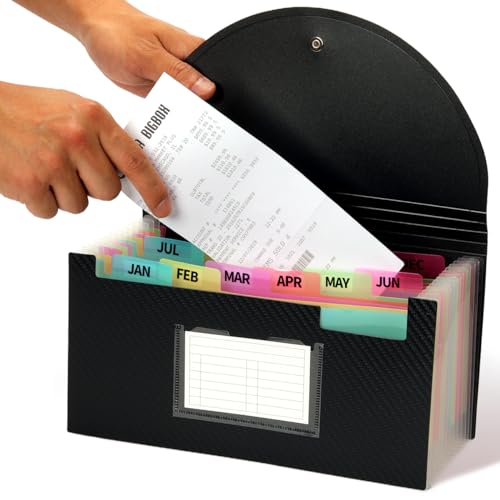
H4D Check Size 13 Pocket Expanding File Folder, Accordion File Organizer Wallet Case for Coupon Receipt Storage, 10 x 5.5 inches, Black
Check-Size Design: This check-size expanding file is specially designed for coupons organizer. The size of 10" x 5.5"…
As an affiliate, we earn on qualifying purchases.
As an affiliate, we earn on qualifying purchases.
Choosing the Right Tools to Track Your Receipts

Choosing the right tools to track your receipts is essential for creating a reliable and efficient workflow. Digital storage options help you keep receipts organized and accessible without cluttering your physical space. Mobile apps make capturing and managing receipts simple, letting you photograph, categorize, and store receipts on the go. Look for apps that sync across devices so your data stays updated everywhere you work. Consider tools with OCR (optical character recognition) to automatically extract details from receipts, saving you time. Cloud-based solutions ensure your receipts are secure and backed up. Additionally, understanding how contrast ratio impacts image quality can help you choose visual tools that display your data clearly and vividly. By selecting user-friendly digital storage options and mobile apps tailored to your needs, you’ll streamline your receipt tracking and stay consistent in your monthly routine.

Rediform® Money Receipt Book, Carbonless, 400 Numbered Duplicates, 4/Page, 11" x 7.625" (RED8L816) (8L816)
Manifold book with flexible cover
As an affiliate, we earn on qualifying purchases.
As an affiliate, we earn on qualifying purchases.
How to Set Up Your Monthly Receipt Routine

To establish a smooth monthly receipt routine, you need to set a specific day and time each month dedicated to organizing your receipts. Consistency helps make this a habit. Decide whether you prefer digital storage or paperless methods, and stick with it. For example, you might reserve the first Saturday morning for this task. Visualize your routine with this table:
| Digital Storage | Paperless Methods |
|---|---|
| Upload receipts to cloud | Scan receipts with an app |
| Categorize files | Save PDFs to folder |
| Delete duplicates | Use automatic backups |
| Review monthly expenses | Set reminders |
| Archive old receipts | Delete unnecessary files |
This routine ensures your receipts are organized, accessible, and secure every month. Establishing a consistent schedule can greatly improve your ability to maintain this process over time.
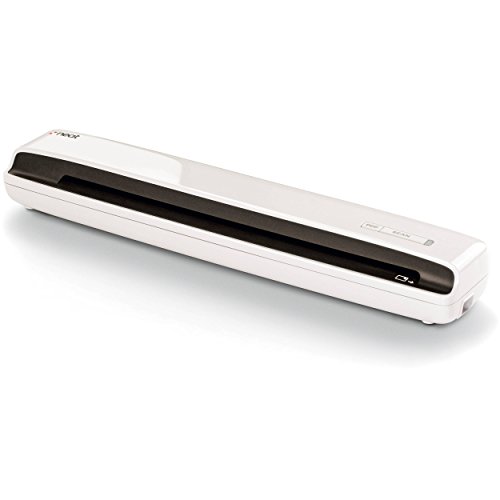
NeatReceipts Mobile Document Scanner and Digital Filing System for PC and Mac
Slim and lightweight, can run on USB power from your computer
As an affiliate, we earn on qualifying purchases.
As an affiliate, we earn on qualifying purchases.
Organize Your Receipts by Category for Easy Access

Organizing your receipts by category right after you get them makes everything easier to find later. Use a clear labeling system so you know exactly what each folder or section contains. This simple step saves you time and frustration when tracking expenses.
Categorize Receipts Immediately
Whenever you receive a receipt, make it a point to categorize it right away. Doing this keeps your workflow smooth and minimizes clutter. Use digital storage options and receipt automation tools to quickly assign categories like “Office Supplies,” “Travel,” or “Meals.” This immediate action guarantees receipts are organized before they pile up. Incorporate this habit into your routine for a more efficient, organized approach to managing receipts. Additionally, being proactive about organizing your receipts can help prevent burnout caused by last-minute stress during tax season or financial reviews. Recognizing the importance of receipt management can also motivate you to stay consistent with your categorization process.
Use Clear Labeling System
Creating a clear labeling system for your receipts makes it simple to find what you need when you need it. Use color coding to categorize receipts by expense type—green for groceries, blue for bills, red for travel, and so on. This visual cue speeds up retrieval and reduces confusion. Digital labeling is equally effective; tag your receipts with specific keywords or categories on your device or cloud storage. Consistent labels guarantee all receipts stay organized and easy to search. Keep your system simple but descriptive, so you don’t waste time deciphering labels later. By combining color coding with digital labeling, you create a streamlined, intuitive process that helps you stay on top of your receipts without hassle.
Set Reminders to Keep Your Receipt System on Track

Setting reminders guarantees you stay consistent with your receipt system. Use calendar alerts and schedule weekly checks to keep everything organized. These prompts help you maintain your workflow without missing important steps. Incorporating specific styling techniques can also motivate you to stay on track with your organizational habits.
Use Calendar Alerts
Using calendar alerts is a simple yet effective way to keep your receipt system on track. They remind you of upcoming receipt deadlines, ensuring you don’t miss important dates. Imagine receiving a notification the day before your monthly review, prompting you to gather receipts and update your digital backups. Here are three ways to make the most of alerts:
- Set recurring alerts at the start of each month to review and organize receipts.
- Use alerts to remind you to upload digital backups, preventing data loss.
- Schedule reminders for specific receipt deadlines, so you stay compliant and organized.
Schedule Weekly Checks
To guarantee your receipt system stays consistent, scheduling weekly checks is essential. Set reminders to review your receipt storage and ensure your filing techniques remain organized. This process helps you stay on top of your organization habits and prevents clutter from building up. This regular review also allows you to identify any disorganized receipts before they become overwhelming. During these checks, revisit your filing system, update records, and discard outdated receipts. Use a simple chart to visualize your workflow:
| Task | Focus Area |
|---|---|
| Review receipts | Filing techniques |
| Clear duplicates | Receipt storage |
| Update records | Organization consistency |
Implementing a digital tracking system can further streamline your workflow and reduce manual effort. These weekly checks reinforce good habits and make your receipt management effortless. Additionally, understanding your family dynamics can help you create a system that fits your household’s unique needs. Incorporating automated alerts can also remind you of upcoming deadlines or review dates, further supporting your consistency.
Troubleshooting Common Receipt Tracking Problems
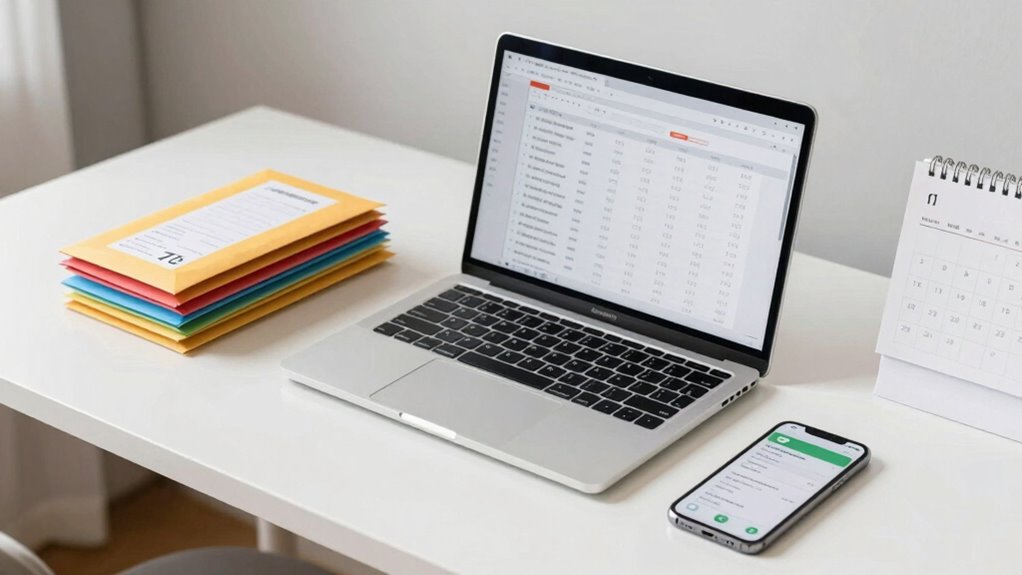
Despite your best efforts, receipt tracking can still encounter hiccups that disrupt your workflow. Common issues include dealing with duplicate receipts, missing receipts, or misplaced files. To fix these problems:
- Identify duplicates by cross-referencing dates and amounts, then delete or consolidate them.
- Track down missing receipts by checking email receipts, bank statements, or requesting copies from vendors.
- Organize receipts in labeled folders or digital categories to prevent misplacement.
Addressing these problems quickly maintains your system’s reliability. Regular audits help you catch duplicates early and ensure no receipts go missing. Staying proactive minimizes disruptions and keeps your monthly workflow smooth and consistent.
Check Your Receipt System and Make Improvements

After resolving common receipt tracking issues, it’s time to evaluate how well your current system is working. Review your receipt storage methods—are you organizing receipts logically and accessibly? Check if your system allows easy retrieval when needed. Consider whether you’re utilizing digital backups to prevent loss and streamline access; digital copies make it simple to store and search receipts without clutter. If your current process feels cumbersome or outdated, identify areas for improvement. Simplify your receipt storage by categorizing receipts consistently and ensuring backups are automated. Making these adjustments helps your workflow stick long-term, reducing stress and saving time. Regularly check and update your system to keep it efficient, secure, and aligned with your needs. Remember, understanding your privacy policy and cookie management options can also help ensure your digital receipt storage remains secure and compliant, especially as digital security practices evolve. Additionally, reviewing your storage methods can help you find the most effective way to keep your receipts organized and accessible. Incorporating digital backups into your workflow ensures your records are protected against physical damage or loss, making it easier to retrieve important documents when needed. To further enhance your system, consider implementing categorization strategies that make retrieving specific receipts faster and more intuitive.
Frequently Asked Questions
How Often Should I Review My Receipt System for Accuracy?
You should review your receipt organization and record accuracy monthly to catch errors early and guarantee everything stays on track. Regular checks help you spot discrepancies, verify that receipts are correctly categorized, and maintain reliable records for taxes or budgeting. By dedicating a consistent time each month, you strengthen your system’s accuracy and prevent clutter or mistakes from piling up, making your receipt management more efficient and trustworthy over time.
What Legal Requirements Exist for Storing Receipts?
You need to store receipts in compliance with legal requirements, which often involve maintaining records for a specific period, typically 3 to 7 years. Digital archiving helps you securely save and organize receipts, making it easier to meet these standards. Make certain your storage system adheres to compliance standards relevant to your industry or region, such as GDPR or IRS regulations, to avoid legal issues and prove your recordkeeping practices.
Can Digital Receipts Replace Paper Ones Entirely?
Yes, digital receipts can replace paper ones entirely, especially with proper digital security in place. To guarantee compliance and accuracy, you should implement receipt automation, which streamlines storing and organizing receipts securely. By adopting digital solutions, you reduce paper clutter and enhance record-keeping efficiency. Just make certain your digital storage meets legal standards, and use secure platforms to protect sensitive information from unauthorized access.
How Do I Handle Lost or Damaged Receipts?
Losing or damaging receipts feels like losing a piece of your financial puzzle, but don’t panic. You can handle this by creating a digital backup of all your receipts, ensuring you’ve got a secure copy. When organizing receipts, keep digital copies in well-structured folders or apps, making it easier to recover any lost or damaged ones. Consistent receipt organization and digital backups keep your finances transparent and stress-free.
What’s the Best Way to Train Team Members on Receipt Procedures?
You should focus on training consistency by establishing clear onboarding techniques for receipt procedures. Use step-by-step guides, visual aids, and hands-on practice to reinforce learning. Regularly review procedures with your team, address questions promptly, and provide ongoing refresher sessions. This approach guarantees everyone stays aligned, making receipt handling seamless and reliable. Consistent training helps prevent mistakes and builds confidence in following your workflow effectively.
Conclusion
Creating a reliable receipt workflow isn’t just about organizing—it’s about empowering yourself to stay in control. When you set up a system that works, you free yourself from chaos and stress, turning clutter into clarity. Remember, a well-maintained receipt system is like planting a seed—nurture it regularly, and it’ll grow into a garden of financial peace. Embrace the process, and watch your confidence and calm flourish.