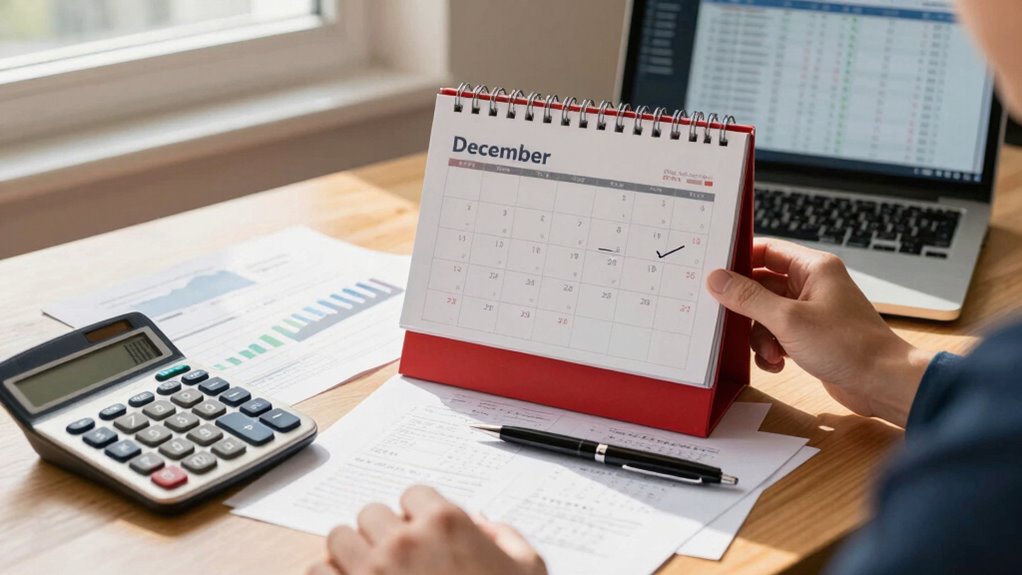

To maximize your tax deductions, plan your asset purchases late in the year, especially if you expect high income. Take advantage of strategies like Section 179 and bonus depreciation for immediate write-offs. Timing your buys before year-end helps you realize depreciation benefits sooner. Make sure your choices support your long-term goals and stay compliant with current tax laws. Keep exploring to discover more ways to optimize your year-end asset planning.
Key Takeaways
- Purchase assets late in the year to enable immediate depreciation and maximize tax benefits within the current tax year.
- Utilize Section 179 expensing for full asset deduction in the purchase year, especially before year-end.
- Consider bonus depreciation options to accelerate deductions and reduce taxable income quickly.
- Align asset purchases with high-income years to maximize tax savings from depreciation.
- Stay updated on tax law changes to ensure compliance and optimize year-end asset acquisition strategies.
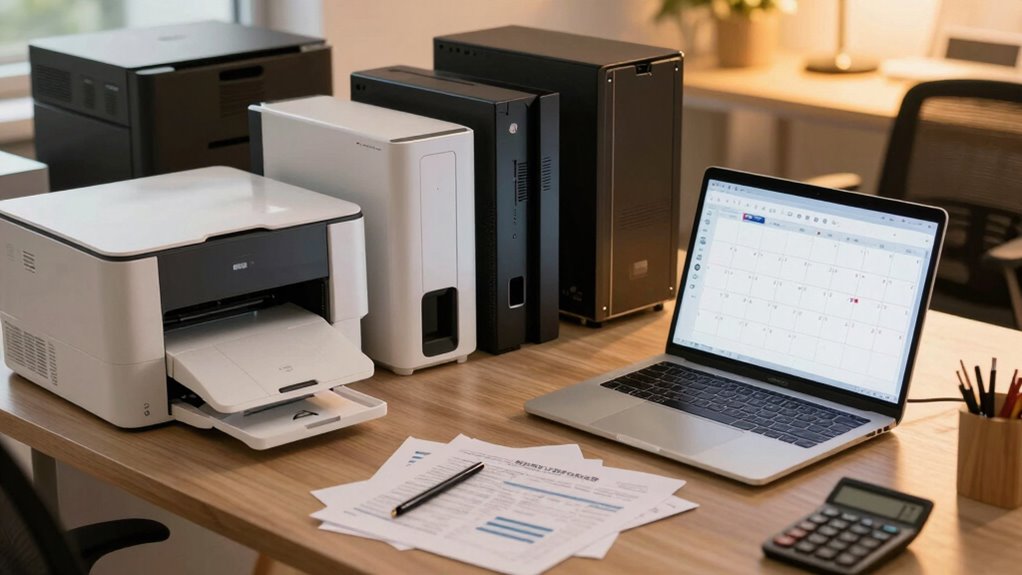
As the year draws to a close, many businesses consider the strategic timing of asset purchases to maximize financial benefits. One of the key factors in this decision is how you plan your depreciation strategies and tax planning. Buying assets late in the year can provide immediate tax advantages, especially if you can accelerate deductions through specific depreciation methods. Understanding how depreciation works allows you to optimize your deductions in the current tax year, which can significantly reduce your taxable income and improve cash flow. Additionally, being aware of the latest technology review updates can help you select assets that offer better value and longevity for your business.
Your choice of depreciation strategies plays a crucial role in year-end planning. For example, taking advantage of Section 179 expensing allows you to deduct the full cost of qualifying assets in the year of purchase, rather than spreading it out over multiple years. If your business expects higher income this year, making these purchases now can lead to substantial tax savings. Alternatively, bonus depreciation can further accelerate deductions, enabling you to write off larger portions of asset costs immediately. By timing your purchases towards the end of the year, you ensure these depreciation benefits are realized sooner, giving your business a financial boost. Being aware of tax law changes can help you adapt your strategies effectively and ensure compliance.
Tax planning at year-end isn’t just about maximizing deductions; it’s also about aligning your asset purchases with your overall financial strategy. You want to ensure that the assets you acquire will generate value for your business and complement your growth plans. Carefully selecting the timing of these purchases can help you manage your taxable income more effectively, especially if you anticipate a high-income year. Additionally, by planning your asset acquisitions strategically, you can avoid potential pitfalls such as overextending your budget or rushing to buy assets that don’t serve your long-term goals.
Considering the timing of your asset purchases also involves evaluating your overall tax situation. If your business expects a dip in income next year, delaying certain asset purchases until the following year might be advantageous. Conversely, if you’re in a strong financial position now, making purchases late in the year can maximize your current year’s deductions. Remember, tax laws can change, so staying informed and consulting with a tax professional ensures your depreciation strategies and tax planning are aligned with current regulations.
Section 179 qualifying assets
As an affiliate, we earn on qualifying purchases.
As an affiliate, we earn on qualifying purchases.
Frequently Asked Questions
Can Personal Assets Qualify for Business Asset Deductions?
Yes, personal assets can qualify for business asset deductions if you classify them correctly. You need to differentiate between personal property and business property based on asset classification. If you use personal property for business purposes, you might be able to deduct a portion of its cost. Keep detailed records and confirm the asset’s primary use is for your business to maximize your deductions legally and accurately.
How Do State Tax Laws Affect Asset Purchase Timing?
State tax laws influence your asset purchase timing by shaping incentives, regional rules, and deductions. You seize opportunities when state tax incentives reward early or late-year purchases, optimizing your deductions. Regional asset rules, varying from state to state, determine whether you can accelerate or defer asset purchases. By understanding these laws, you align your purchase timing with state-specific benefits, maximizing tax advantages and ensuring compliance across different jurisdictions.
Are There Penalties for Delaying Asset Purchases Past Year-End?
You generally won’t face penalties for delaying asset purchases past year-end, but missing tax credit strategies might cost you valuable deductions. If you wait, you could lose out on immediate tax benefits tied to asset valuation methods like bonus depreciation or Section 179. Planning ahead helps maximize deductions, so consider timing your purchases before year-end to optimize your tax advantages and avoid missing out on potential savings.
What Documentation Is Needed to Claim Year-End Asset Deductions?
Think of your records as a treasure map—without it, claiming deductions is a gamble. To claim year-end asset deductions, you need invoices, receipts, and proof of payment. For inventory management and capital improvements, keep detailed documentation of purchase dates, descriptions, and costs. This guarantees your deductions are solid and compliant, helping you maximize your tax benefits. Proper documentation is your key to opening those valuable deductions confidently.
How Does Asset Depreciation Impact Deduction Timing?
Asset depreciation affects your deduction timing by spreading costs over the asset’s lifespan, determined by depreciation methods. If you choose accelerated depreciation, like Section 179 or bonus depreciation, you can claim larger deductions sooner, especially with year-end purchases. Alternatively, straight-line depreciation spreads deductions evenly over the asset’s useful life. Your choice impacts when you see tax benefits, so plan your asset purchases accordingly for maximum deductions.

I love bonus depreciation Comfort Colors Adult Sweatshirt
Bonus depreciation allows you to temporarily shield income from taxes. Who doesn't want a lower tax bill? Real…
As an affiliate, we earn on qualifying purchases.
As an affiliate, we earn on qualifying purchases.
Conclusion
By timing your asset purchases wisely before year’s end, you can maximize your deductions and give your finances a needed boost—think of it like snagging a hot air balloon ride just before the festival ends. Don’t wait for the last minute, but plan ahead like a seasoned chess player. With careful timing, you’ll be able to make the most of your investments and start the new year on a solid, tax-efficient footing.

Sell 100+ Homes A Year: How we use Engagement Marketing, Technology and Lead Gen to Sell 100+ Homes A Year, Every Year!
As an affiliate, we earn on qualifying purchases.
As an affiliate, we earn on qualifying purchases.

475 Tax Deductions for Businesses and Self-Employed Individuals: An A-to-Z Guide to Hundreds of Tax Write-Offs
As an affiliate, we earn on qualifying purchases.
As an affiliate, we earn on qualifying purchases.