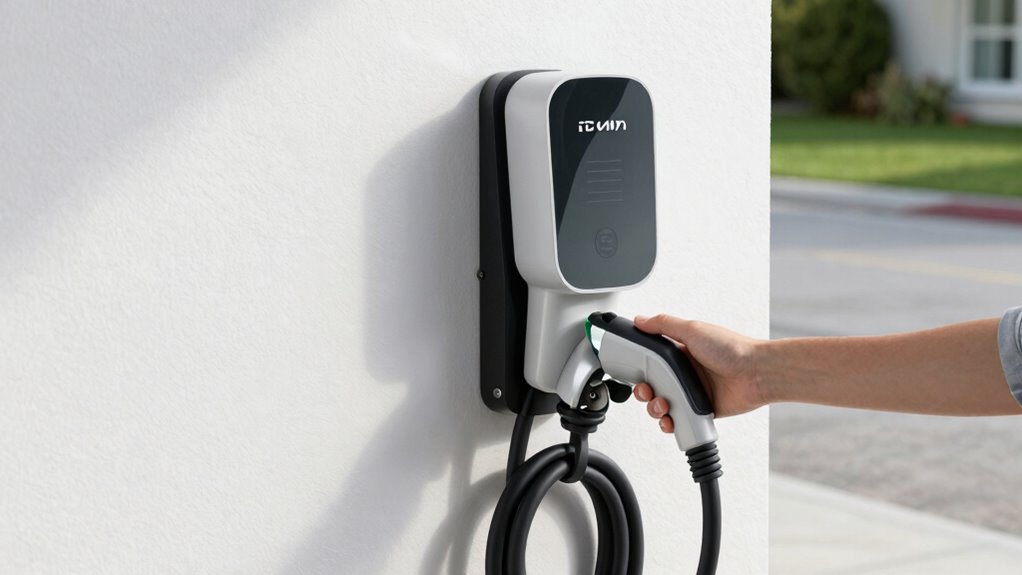

To save money on installing your home electric vehicle charger, you can take advantage of various EV charger credits, which often come as tax credits or rebates. Eligibility depends on your location and specific program requirements, such as working with licensed electricians and meeting code standards. Proper documentation is essential to claim these benefits successfully. If you want to discover how to maximize these incentives and guarantee a smooth process, keep going for more useful details.

Get smart everyday buys delivered free with Prime
- Fast, free delivery on millions of items
- Prime Video, Amazon Music and more included
- Member-only deals all year
Key Takeaways
- The EV Charger Credit reduces upfront installation costs through tax credits or rebates for homeowners.
- Eligibility varies by location and may depend on income, charger type, and installation standards.
- Chargers typically need to be installed by licensed electricians and meet local electrical codes.
- Proper documentation, including receipts and certification, is essential for claiming incentives.
- Staying updated on local programs maximizes financial benefits and supports sustainable transportation.
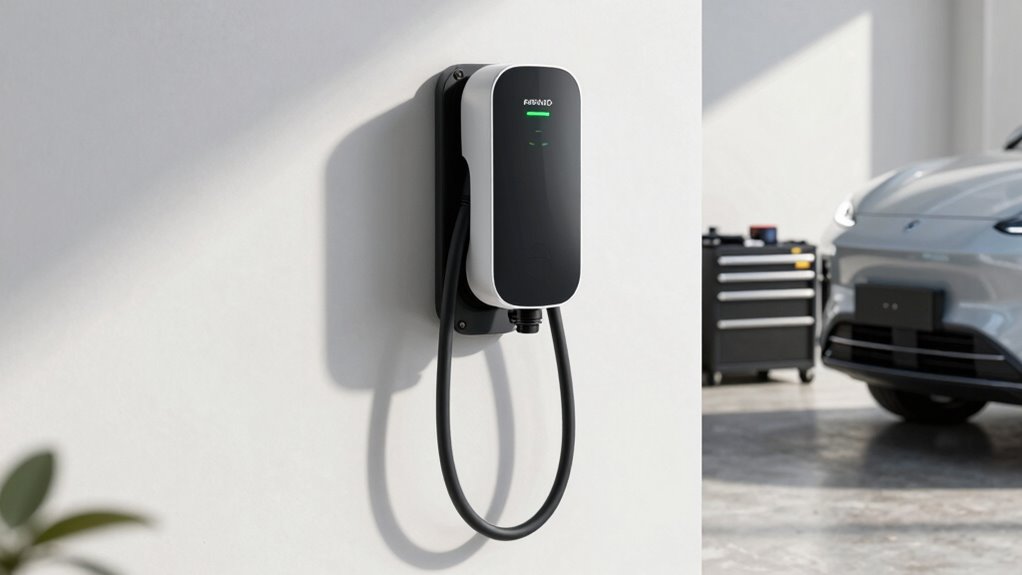
Are you wondering how the EV Charger Credit can help you save money on installing electric vehicle chargers? This incentive is designed to make it more affordable for homeowners like you to add charging stations to your property. The government offers various incentives, including tax credits and rebates, to encourage the adoption of electric vehicles and the infrastructure needed to support them. By taking advantage of these incentives, you can significantly reduce the upfront costs of installing an EV charger, making it easier to transition to a more sustainable transportation option.
To qualify for the EV Charger Credit, you’ll need to understand the specific government incentives available in your area. These incentives often come with certain conditions, such as income limits or the type of charger you’re installing. Many programs are aimed at encouraging clean energy initiatives, so check whether your project qualifies for federal, state, or local benefits. Remember, these incentives can change over time, so staying updated on the latest offerings is essential. Typically, the EV Charger Credit is offered as a tax credit, which reduces your tax liability dollar-for-dollar, or as a rebate that provides direct savings at the point of installation.
Check local incentives and stay updated to maximize your EV charger savings and benefits.
Another important aspect to consider is the installation requirements for claiming the credit. Governments often specify certain installation standards to ensure safety and efficiency. For example, your charger might need to be installed by a licensed electrician, and the electrical system must meet local code requirements. The installation process may also require specific permits or inspections to verify that the charger is installed correctly and safely. Failing to meet these installation requirements could disqualify you from receiving the credit or rebate, so it’s crucial to work with qualified professionals who understand the specific guidelines for your area. Additionally, understanding government incentives and how they apply to your situation can help you better plan your project and maximize savings. It’s also beneficial to be aware of current policies that could impact your eligibility or available benefits.
It’s also helpful to understand the application process for these incentives, as some programs may have limited funding or specific deadlines. In addition to compliance with installation requirements, you should keep detailed records of the purchase and installation process. Receipts, invoices, and certification documents will be necessary when claiming your tax credit or rebate. Some programs may also require proof that the charger is used primarily for personal use and not for commercial purposes. It’s also helpful to familiarize yourself with program eligibility criteria to ensure your project qualifies and to avoid surprises during the application process. By understanding these requirements upfront, you can streamline the process and maximize your potential savings.
Ultimately, the EV Charger Credit exists to make your transition to electric vehicles more affordable. By leveraging government incentives and carefully following installation requirements, you can enjoy savings while contributing to a cleaner environment. Take the time to research your local programs and work with professionals to ensure you meet all criteria. Doing so will help you unlock the full financial benefits of installing an EV charger at home.
EV home charger installation kit
As an affiliate, we earn on qualifying purchases.
As an affiliate, we earn on qualifying purchases.
Frequently Asked Questions
Can I Claim the EV Charger Credit Multiple Times?
Yes, you can claim the EV charger credit multiple times, but there are installation requirements and rebate limitations. Each time you install a qualifying EV charger, you may be eligible for the credit, provided the installation meets the necessary standards. However, the total rebate amount might be limited by federal or state programs. Make sure to keep records of each installation and verify eligibility to maximize your benefits across multiple claims.
Does the Credit Apply to Used or Only New Chargers?
Think of it like a fresh start—used chargers do qualify for the credit, but only if they meet the eligibility criteria. The IRS typically requires new, qualified chargers for the full credit, but some used options might qualify if they’re certified and meet specific standards. Always check the criteria carefully, as not all used chargers will qualify, and the rules can change with new legislation.
Are There Specific Brands or Models Eligible for the Credit?
Certain brands and models of charging stations are eligible for the credit, but eligibility depends on meeting specific installation requirements outlined by the program. You should check if the charging station you’re interested in is listed as approved, and confirm it complies with installation standards to qualify. The credit typically applies to new chargers that meet safety and efficiency standards, so verify the model and installation details before claiming your benefit.
What Is the Maximum Credit Amount Available?
Like the myth of King Midas, the maximum credit amount you can claim is $1,000 for residential EV charger installations. You should be aware of tax implications, as this credit directly reduces your tax bill. Confirm installation requirements are met—such as proper wiring and permits—to qualify. Keep records, and consult a tax professional to maximize benefits and navigate any potential tax implications effectively.
How Long Does the Approval Process Typically Take?
The approval process usually takes around 4 to 8 weeks, depending on your application procedures and the completeness of your documentation. Once you submit your application, the review team assesses your eligibility and verifies your installation timeline. To guarantee a smooth process, double-check that all required documents are submitted correctly and promptly. Patience is key, but staying in touch with the review agency can help speed things up.
Conclusion
Now that you know the basics of the EV charger credit, you’re better equipped to save money and upgrade your home. Did you know that the federal tax credit can cover up to 30% of your installation costs? That’s a significant chunk off your investment in sustainable living. Taking advantage of this credit not only benefits your wallet but also helps reduce your carbon footprint. Don’t miss out—start planning your EV charger upgrade today and enjoy the savings!
Halloween Picks
halloween
As an affiliate, we earn on qualifying purchases.