
Choosing between deducting state sales tax and income tax depends on your spending habits and income level. If you make many large purchases or live in a state with high sales taxes, deducting sales tax may save you more. Conversely, if your income is high and income taxes take a big chunk out of your paycheck, deducting income tax could be more beneficial. To see which option fits best for your situation, continue exploring the details.
Key Takeaways
- Deducting sales tax benefits itemizers in states with high sales taxes, reducing taxable income more than income tax deductions.
- Income tax deductions lower taxable income directly, benefiting residents in states with high income tax rates.
- The choice depends on individual spending habits; frequent shoppers benefit from deducting sales taxes.
- For higher earners, deducting income tax may yield more significant tax savings than sales tax deductions.
- Overall tax savings depend on the state’s tax structure and personal financial situation, not just the deduction method.

When choosing where to live or do business, understanding the differences between state sales tax and income tax is essential. These taxes directly impact your finances and can influence your decision about relocating or expanding your business. Knowing how each tax works helps you make smarter choices about your budget planning and how much money you’ll have available for daily expenses, including retail shopping.
State sales tax is a consumption tax added to the price of goods and services you purchase. When you buy groceries, clothes, or electronics, sales tax increases the overall cost. Some states have higher rates, which means every purchase costs more, while others have lower or no sales tax at all. If you enjoy frequent retail shopping, living in a state with low or no sales tax might save you money on everyday items. However, keep in mind that states with no sales tax often compensate with higher income taxes or other revenue sources.
Income tax, on the other hand, is a tax on your earnings. If you work in a state with high income taxes, a larger portion of your paycheck goes toward taxes, reducing your take-home pay. Conversely, states with no income tax allow you to keep more of what you earn, which can be a big advantage for budget planning. But these states might offset the lack of income tax with higher sales taxes or property taxes. When contemplating your finances, think about your income level, spending habits, and the overall tax climate. High-income earners, in particular, may find that income tax savings outweigh the impact of sales tax, especially if they shop frequently or make large retail purchases.
It’s also important to consider how each tax influences your lifestyle. For example, if retail shopping is a significant part of your routine, a state with lower sales tax could mean substantial savings over time. If you’re more concerned about your income after taxes, then a state with lower or no income tax might be preferable. Additionally, understanding mindfulness of your overall tax burden can help you make more informed financial decisions. Balancing these factors is key to effective budget planning, particularly if you’re trying to maximize your disposable income or plan for future expenses.
Ultimately, there’s no one-size-fits-all answer. Your decision should factor in your spending habits, income level, and personal preferences. If you prioritize lower upfront costs for retail shopping, states with lower sales taxes might serve you better. But if you’re focused on maximizing your income and reducing the impact of taxes on your paycheck, states with no income tax could be more advantageous. Carefully evaluating both types of taxes helps you make a choice that aligns with your financial goals and lifestyle needs.
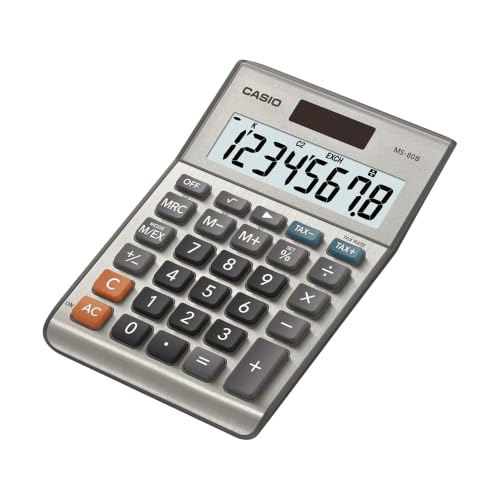
Casio MS-80B Desktop Calculator, Tax & Currency Tools
- Large Eight-Digit Display: Clear, easy-to-read 8-digit screen
- Tax & Currency Functions: Handle tax calculations and currency conversions
- Versatile General Purpose: Suitable for basic, business, and personal use
As an affiliate, we earn on qualifying purchases.
As an affiliate, we earn on qualifying purchases.
Frequently Asked Questions
How Do State Sales Tax and Income Tax Impact High-Income Earners Differently?
As a high-income earner, state income tax impacts you more considerably than sales tax, especially during tax planning. Income tax rates increase with higher earnings, reducing your net income, while sales tax mainly affects retail spending. You can strategize by tracking deductible sales tax or income tax benefits, optimizing your financial decisions to minimize overall tax burden and maximize savings.
Can I Deduct Both Sales Tax and Income Tax in the Same Year?
Imagine filing your taxes on a quiet evening, and you wonder if you can deduct both sales and income taxes this year. Yes, you can, but only if you itemize deductions. Tax deduction strategies and state tax planning help you maximize benefits by choosing the best options. Keep in mind, the IRS limits the total state and local tax deduction, so weigh your options carefully to optimize your return.
Which Tax Type Benefits Low-Income Families More?
You benefit more from income tax provisions if you’re low-income because they often include poverty alleviation programs and tax credits like the Earned Income Tax Credit. These credits directly reduce your tax bill or provide refunds, offering significant financial relief. Sales tax deductions may help, but they don’t target low-income families as effectively. Focus on maximizing tax credits to improve your financial situation and support poverty alleviation efforts.
How Do Sales Tax and Income Tax Affect Business Owners Differently?
You’ll find that sales tax impacts your cash flow directly, requiring careful tax planning to manage compliance and avoid surprises. Income tax affects your overall profitability and may involve more complex tax compliance, especially with deductions and credits. As a business owner, understanding these differences helps you optimize your tax strategies, ensuring you stay compliant and minimize liabilities across both sales and income taxes.
Are There States That Don’T Impose Either Sales or Income Tax?
Did you know only nine states don’t impose either sales or income tax? These states, considered tax havens, often attract businesses with their tax incentives. You benefit by avoiding both taxes, which can lower your overall tax burden. States like Alaska, Florida, Nevada, and Wyoming offer this advantage, making them appealing for entrepreneurs seeking minimal tax obligations. So, if you’re looking to reduce your taxes, these states might be worth considering.
Conclusion
Choosing between deducting state sales tax and income tax depends on your spending habits and financial situation. Remember, “A penny saved is a penny earned,” so consider which deduction offers the most benefit for you. By understanding your options, you can make smarter decisions and maximize your savings. Ultimately, stay informed and plan wisely—your financial well-being depends on it. Make every tax move count, and you’ll be better prepared for the future.