

An account transcript shows your IRS account activity, including payments, penalties, and adjustments, giving you a current snapshot of your tax status. A return transcript, on the other hand, summarizes the details of your original filed return, like income and deductions. Knowing which one to use depends on whether you need to verify payments or confirm the information you filed. Keep going to discover more about when and why you’d choose each transcript.

Get smart everyday buys delivered free with Prime
- Fast, free delivery on millions of items
- Prime Video, Amazon Music and more included
- Member-only deals all year
Key Takeaways
- Account transcripts show IRS interactions, payments, penalties, and current account status; return transcripts summarize original filed return details.
- Use an account transcript to verify payments and resolve account issues; use a return transcript for income verification and income-related applications.
- Account transcripts include IRS updates on payments and adjustments; return transcripts only reflect the original filed return data.
- Return transcripts are ideal for confirming what was initially reported; account transcripts provide a comprehensive view of account activity over time.
- Choose an account transcript for current account status and discrepancies; choose a return transcript for income details and filing accuracy.
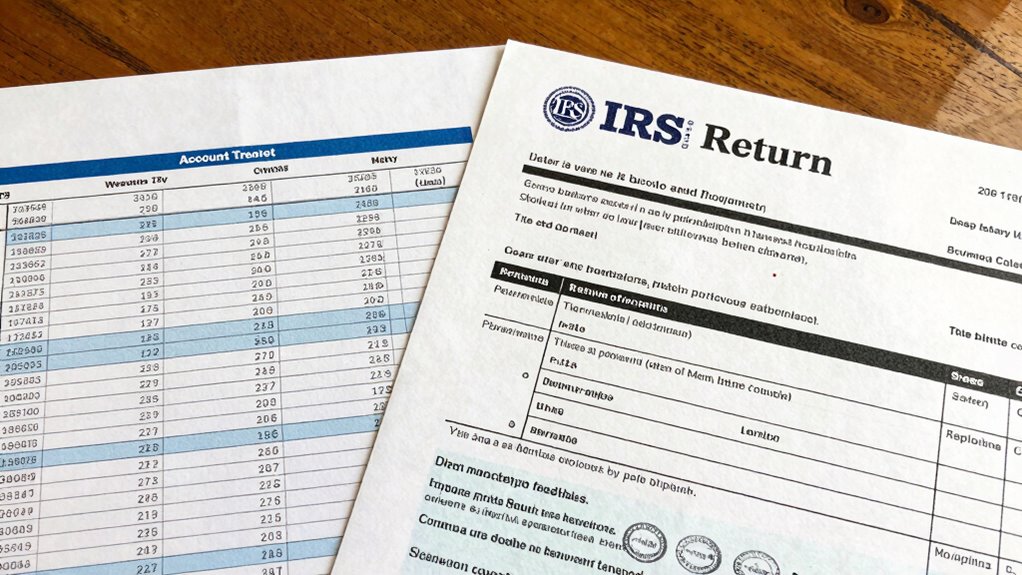
Have you ever wondered what the difference is between an account transcript and a return transcript? If you’re dealing with tax documentation or steering through IRS procedures, understanding these transcripts can make a big difference. Both are essential tools for taxpayers, tax professionals, and anyone needing detailed tax information, but they serve different purposes and contain different data.
An account transcript provides a detailed record of your interactions with the IRS. It shows your account status, including payments made, outstanding balances, penalties, and adjustments. Basically, it’s a snapshot of your account activity over time. When the IRS processes a payment or makes an adjustment, it updates your account transcript, making it a useful tool if you’re trying to verify payments or resolve discrepancies. If you’re facing collection notices, trying to understand your tax debt, or need proof of payments for your records, an account transcript is the document to request. It’s especially helpful when you’re trying to understand your current standing with the IRS and what actions they’ve taken or need to be taken. Understanding tax account information can help you navigate IRS communications more effectively. Additionally, having access to your tax account history can assist in resolving issues quickly and accurately.
On the other hand, a return transcript gives you a summary of your original tax return as filed, along with any amendments or corrections made later. It includes line-by-line data from your filed return, such as income, deductions, credits, and the amount of tax owed or refunded. This type of transcript is often used when applying for financial aid, mortgage approvals, or to verify the information you submitted to the IRS. It doesn’t reflect payments or adjustments made after the return was filed, only the data on the original return. When you’re verifying income or ensuring your reported figures match what the IRS has on record, a return transcript is the document you need. Knowing the difference can help you determine which transcript best suits your specific needs.
As an affiliate, we earn on qualifying purchases.
Frequently Asked Questions
How Long Does It Take to Receive Each Transcript?
The transcript processing and delivery time varies depending on the method you choose. Generally, it takes about 5 to 10 business days to receive an account transcript through the mail. If you opt for the online or phone request, you might get it sooner, often within 24 to 48 hours. Keep in mind that processing times can be affected by seasonal demand or verification issues, so plan accordingly.
Can I Access Transcripts Online or Only by Mail?
Imagine a digital window opening to your financial history—yes, you can access transcripts online. You’ll find secure portals that let you view or download your account and return transcripts quickly. While digital access offers convenience, consider privacy concerns; make sure you’re using trusted sites with proper encryption. Mail options remain available if you prefer physical copies or want an added layer of security, but online access is typically faster and more straightforward.
Are There Fees for Requesting Account or Return Transcripts?
You typically won’t encounter transcript fees when requesting your account or return transcripts directly from the IRS, but some third-party providers may charge for their services. To request transcripts, you follow simple request procedures, such as online, by phone, or mail. The IRS makes it easy to access your transcripts without fees, especially if you need them for a loan or tax verification, so check their official website for specifics.
Who Is Eligible to Request These Transcripts?
Think of eligibility criteria as a gate you need to pass through. You can request transcripts if you’re the taxpayer, a legal representative, or an authorized third party with proper authorization. To do so, follow the request procedures, which typically involve submitting a form online, by mail, or in person. Make sure you meet all requirements and have the necessary identification to smoothly navigate the process and access your tax information.
How Secure Is the Process for Obtaining These Transcripts?
The process for obtaining these transcripts is quite secure. You’ll use data encryption to protect your information during online requests, ensuring your personal details stay private. Additionally, identity verification steps, such as answering security questions or providing a PIN, help confirm your identity. This combination makes the process safe, reducing the risk of fraud or unauthorized access, so you can confidently request your transcripts knowing your data is well protected.
Conclusion
Understanding the difference between an account transcript and a return transcript helps you navigate your financial records more confidently. While one shows your overall account activity—deposits, withdrawals, and balances—the other provides a detailed view of your filed tax return, including income and deductions. They work together like two sides of the same coin—each revealing different aspects of your financial story. Mastering both gives you clarity and control, empowering you to stay on top of your financial health.
Fall Picks
fall essentials
As an affiliate, we earn on qualifying purchases.