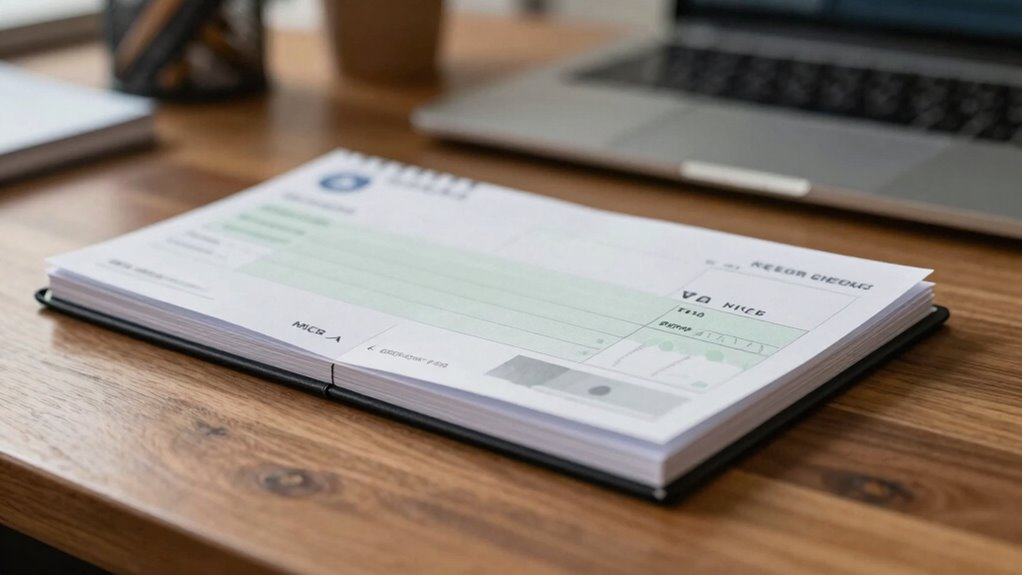

Cutting corners on MICR printing quality might seem like a quick way to save money, but it’s a risky shortcut. Using substandard toner, printers, or skipping proper standards can lead to check rejections, security vulnerabilities, and even legal fines. These shortcuts compromise embedded security features, making your organization vulnerable to fraud and compliance issues. If you want to protect your operations and avoid costly mistakes, it’s essential to follow industry standards—more details on how to do that are just ahead.

Get smart everyday buys delivered free with Prime
- Fast, free delivery on millions of items
- Prime Video, Amazon Music and more included
- Member-only deals all year
Key Takeaways
- Skipping proper calibration of MICR printers compromises print quality and security features.
- Using non-certified MICR toner increases misreads and rejection rates, risking operational delays.
- Avoiding regular quality checks can mask issues, leading to costly reprints and compliance violations.
- Ignoring industry standards for MICR printing weakens embedded security, heightening fraud risks.
- Cutting corners on maintenance or training can result in non-compliance penalties and legal repercussions.
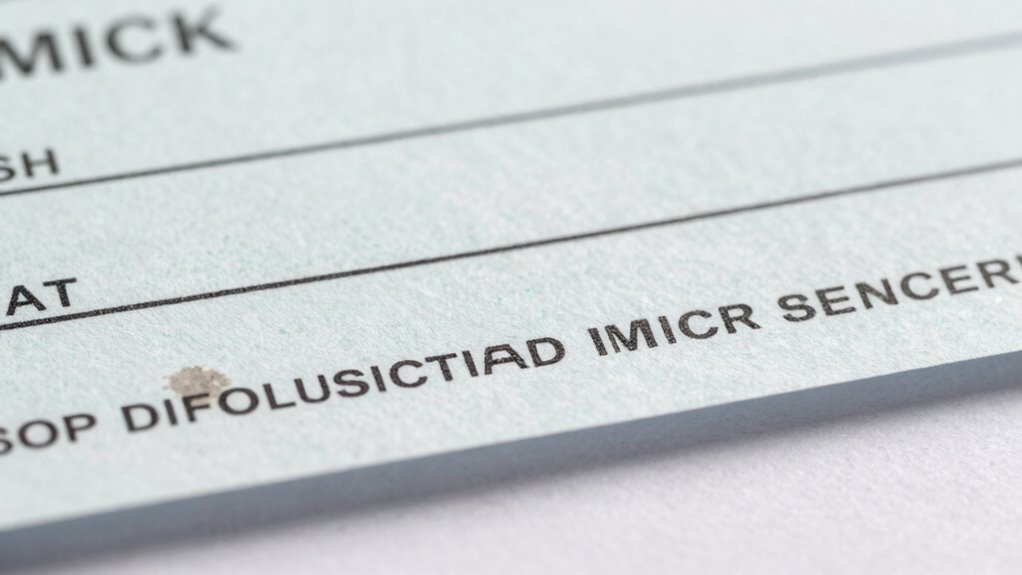
Have you ever considered taking shortcuts with MICR printing to save time or money? It might seem tempting to cut corners, especially when deadlines loom or budgets tighten. But skipping proper procedures can lead to serious issues that outweigh any immediate savings. MICR (Magnetic Ink Character Recognition) printing is essential for secure check processing and financial transactions. When you compromise on quality or security, you risk exposing your organization to digital security vulnerabilities and regulatory penalties. These consequences aren’t just theoretical; they can be costly and damaging to your reputation.
Using substandard MICR toner or printers may seem like a quick fix, but it often results in poor print quality that’s easily misread or rejected by banks. Such failures can delay payments, cause reconciliation errors, and force you to resend checks, all of which waste your valuable time and resources. More critically, inferior MICR printing can weaken the security features embedded in your checks. This makes it easier for fraudsters to manipulate or counterfeit your documents, putting sensitive financial data at risk. When digital security is compromised, your organization becomes vulnerable to fraud and data breaches, which can have far-reaching legal and financial repercussions.
Substandard MICR toner compromises quality, security, and compliance, risking rejected checks, fraud, and costly legal penalties.
Beyond the immediate operational risks, neglecting the proper standards for MICR printing can lead to regulatory penalties. Financial institutions and regulatory bodies have strict compliance requirements to ensure the integrity and security of check processing. If your checks don’t meet these standards, you could face hefty fines or sanctions. Regulatory penalties not only hurt your organization financially but also damage your credibility with banking partners and clients. In some cases, non-compliance can even result in legal action, further complicating your situation and straining your resources. Ensuring compliance with industry standards is therefore a crucial step in protecting your organization’s reputation and operations. Additionally, maintaining consistent quality standards in MICR printing helps prevent costly rework and operational disruptions. Recognizing the importance of proper MICR compliance practices can significantly reduce the risk of costly errors and security breaches.
The reality is that adhering to established MICR printing standards is a small investment compared to the potential costs of cutting corners. High-quality MICR toner and certified printers are designed to meet stringent industry specifications, ensuring your checks are processed smoothly and securely. Prioritizing digital security and compliance helps safeguard your organization from avoidable risks. By doing so, you protect your organization from avoidable risks. It’s a clear choice: skip shortcuts, or face the consequences of regulatory penalties, operational disruptions, and compromised security. The peace of mind that comes from doing it right is well worth the extra effort and expense. Your reputation, financial stability, and compliance standing depend on maintaining the integrity of your MICR printing practices.
MICR toner cartridge for check printing
As an affiliate, we earn on qualifying purchases.
As an affiliate, we earn on qualifying purchases.
Frequently Asked Questions
Can Using Non-Standard MICR Fonts Affect Bank Compliance?
Using non-standard MICR fonts can definitely affect bank compliance, as it introduces security vulnerabilities. Banks rely on standardized fonts for accurate check processing and fraud prevention. When you customize fonts, it may cause compatibility issues or delays, raising suspicion and risking non-compliance. Stick to approved, standardized MICR fonts to guarantee smooth processing, maintain security, and avoid costly penalties or processing errors.
What Are the Penalties for MICR Printing Errors?
Imagine a fragile spider web, easily torn—micr printing errors carry similar risks. Penalties for these mistakes can include hefty fines, legal actions, and damage to your bank’s reputation. Errors compromise printing security, making your bank vulnerable to bank fraud. You must prioritize precision, ensuring your MICR printing meets standards, or face the costly consequences that threaten your institution’s trust and financial stability.
Is It Safe to Reuse MICR Ink Cartridges?
Reusing MICR ink cartridges isn’t safe because it can jeopardize ink cartridge safety and affect print quality. Refilled cartridges may lead to printing errors, risking compliance violations and financial penalties. Instead, consider proper cartridge recycling options to dispose of used cartridges responsibly. Investing in new, high-quality MICR cartridges ensures consistent magnetic ink quality, maintaining your bank’s security standards and avoiding costly errors and compliance issues.
How Often Should MICR Printers Be Calibrated?
You should calibrate your MICR printer regularly—ideally, every few months or whenever you notice print issues. Think of it as keeping your finger on the pulse of your printer’s health. Proper micro calibration is a vital part of printer maintenance, ensuring accuracy and compliance. Neglecting this step can lead to financial errors and compliance risks, so don’t wait for problems to arise; stay ahead by maintaining your equipment diligently.
Can Mobile MICR Printing Apps Meet Compliance Standards?
Mobile MICR printing apps often can’t fully meet compliance standards because they may compromise digital security and weaken the paper trail needed for audits. These apps can introduce vulnerabilities, risking data breaches or fraud. To stay compliant, you should use dedicated MICR printers with secure calibration and encryption features. Relying on specialized hardware guarantees your transactions remain secure and traceable, safeguarding both your business and customer information.
Conclusion
Cutting corners with MICR printing might seem tempting, but the risks far outweigh the benefits. Remember, banks process over 17 billion checks annually, and a single misprint can cause costly delays and fraud vulnerabilities. Don’t gamble with shortcuts—invest in proper MICR printing to guarantee your checks clear smoothly. Prioritize compliance and security, because the cost of a mistake can be devastating, both financially and reputationally. Stay vigilant; your financial integrity depends on it.
Fall Picks
fall essentials
As an affiliate, we earn on qualifying purchases.