Contributing to a 529 plan gives you significant tax benefits, such as tax-free growth on your investments when used for qualified education expenses. Many states also offer income tax deductions or credits for contributions, making it even more advantageous. Plus, the earnings aren’t taxed when used for education costs, helping your savings grow faster. Understanding how these benefits work can help you maximize your education savings—there’s more to discover if you keep exploring.
Key Takeaways
- Contributions grow tax-free when used for qualified education expenses.
- Earnings are not taxed when withdrawn for educational costs.
- Many states offer income tax deductions or credits for contributions.
- Contributions are considered completed gifts, reducing estate taxes.
- Funds can be changed to another beneficiary, providing flexible tax planning.

Contributing to a 529 plan offers notable tax advantages that can help you save more for your child’s education. These plans are designed to make saving easier and more efficient, especially when it comes to managing your financial goals for the future. One of the key benefits is the tax-free growth of your investments, meaning the earnings on your contributions won’t be taxed when used for qualified education expenses. This allows your money to grow faster than in taxable accounts, making your savings work harder for you.
Contributing to a 529 plan provides tax-free growth for educational savings.
When considering estate planning, a 529 plan can be a savvy tool. Contributions to the plan are considered completed gifts for tax purposes, which means you can contribute a substantial amount each year without triggering gift taxes. This feature enables you to transfer wealth to the next generation more efficiently, helping you reduce your taxable estate over time. Plus, many states offer additional incentives, like state income tax deductions or credits, further enhancing the plan’s tax benefits.
Your investment strategies play an essential role in maximizing these advantages. By choosing the right investment options within the 529 plan, you can align your risk tolerance with your timeline. Most plans offer age-based portfolios that automatically become more conservative as your child approaches college age, or you can select static investment options if you prefer more control. Consistent contributions throughout the years not only grow your account but also take advantage of dollar-cost averaging, potentially reducing the impact of market volatility.
Using a 529 plan as part of your broader estate planning can also help you manage your assets more effectively. It allows you to set aside funds specifically for education without impacting your estate’s value considerably. This can be especially beneficial if you want to provide for multiple children or other family members, as you can allocate funds strategically to maximize tax benefits and educational opportunities. Additionally, understanding the importance of projector contrast ratio in visual quality can be helpful if you are planning to incorporate multimedia elements into your educational savings presentations or home setup.
Furthermore, the flexibility of a 529 plan means you can change the beneficiary if one child doesn’t need the funds, or if your plans evolve. This adaptability makes it easier to incorporate the plan into your overall financial and estate strategies. Overall, by understanding how these plans work and strategically contributing, you can optimize your tax benefits, protect your wealth, and ensure your loved ones have the resources they need for higher education.
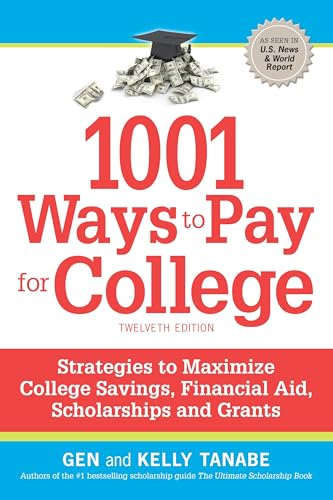
1001 Ways to Pay for College: Strategies to Maximize Financial Aid, Scholarships and Grants
As an affiliate, we earn on qualifying purchases.
As an affiliate, we earn on qualifying purchases.
Frequently Asked Questions
Can I Use 529 Plan Funds for K-12 Education?
Yes, you can use 529 plan funds for K-12 education, thanks to its flexibility in education savings strategies. Many plans allow you to withdraw up to $10,000 per year for elementary or secondary school tuition. This makes it a versatile tool for saving for various educational expenses. Just verify your plan permits K-12 withdrawals, and keep track of the rules to maximize the benefits of your education savings strategies.
Are There Limits on How Much I Can Contribute Annually?
Like a good ol’ 90s dial-up, contribution limits matter here. You can contribute up to $17,000 per year without triggering gift taxes, thanks to the annual gift exclusion. If you’re feeling generous, you can even front-load five years’ worth of contributions—up to $85,000—without tax penalties. Just remember, exceeding these limits could mean facing gift tax consequences, so stay within the thresholds to keep things smooth.
Do 529 Plan Benefits Vary by State?
Yes, 529 plan benefits can vary by state due to state variations and plan differences. Some states offer income tax deductions or credits for contributions, while others don’t. You might also find differences in fees, investment options, and flexibility. It’s essential to compare plans in your state and others to maximize benefits. Remember, even if your state doesn’t provide tax breaks, a plan from another state might still be advantageous.
What Happens if the Beneficiary Doesn’t Use the Funds?
Imagine unused funds sitting patiently, waiting for a new purpose. If the beneficiary doesn’t use the funds, you can usually change the beneficiary to a family member or withdraw the money, though taxes and penalties might apply. This flexibility means your saved money isn’t wasted; instead, it can support another student’s education or be redirected, ensuring your investment continues to serve a meaningful purpose.
Are There Income Restrictions to Open a 529 Plan?
You generally face no income restrictions when opening a 529 plan, making it accessible regardless of your earnings. However, there are contribution limits—usually set by state laws—that you shouldn’t exceed, as they vary by plan. These limits are designed to prevent overfunding, so check your state’s specific rules. You can open a plan regardless of income, and contributing within the limits helps maximize the plan’s benefits.
Conclusion
Thinking of a 529 plan is like planting a seed for your child’s future. With every contribution, you’re watering that seed, helping it grow into a sturdy tree of education savings. The tax benefits act as the nourishing sunlight, fueling its growth. Start now, and watch your efforts blossom into a brighter tomorrow for your loved one’s education, turning your financial planning into a flourishing garden of opportunity.