
Hiring your child in a family business can provide tax benefits like deducting reasonable wages and shifting income to lower tax brackets. Make sure wages are fair market value for the work they do and keep detailed records of hours and payments. Proper documentation and compliance with IRS rules are essential to maximize deductions and avoid issues. If you want to learn how to navigate these rules effectively, keep exploring this topic.
Key Takeaways
- Wages paid to your child are deductible business expenses if they are reasonable and related to legitimate work.
- Shifting income to your child can lower overall family tax liability by leveraging their lower tax rate.
- Proper documentation of hours, work performed, and wages ensures compliance with IRS regulations.
- Wages must be based on fair market value and accurately reported on the child’s tax return, typically via Form W-2.
- Staying updated on tax laws and maintaining records helps maximize benefits and avoid IRS issues.

Hiring your child in a family business can offer valuable tax advantages, but understanding the basics is essential to maximize those benefits. One significant benefit is the potential for tax deductions. When you pay your child a reasonable wage for work they perform, those wages become deductible business expenses. This reduces your overall taxable income, which can lead to lower taxes owed. To qualify for these deductions, the work your child does must be legitimate, and the wages must be comparable to what you’d pay an unrelated employee for similar work. Keep detailed records of hours worked and payments made to support the deduction in case of an audit.
Another key concept to weigh is income shifting. By hiring your child and paying them a salary, you effectively shift income from your higher tax bracket to your child’s lower tax bracket. This can be especially advantageous if your child has little or no other income. The income they earn from working in the family business is taxed at their lower rate, which can result in overall tax savings for your family. Income shifting also helps teach your child about financial responsibility and work ethic, making it a win-win situation. Additionally, understanding the tax rules that govern these strategies is crucial to ensure compliance and avoid penalties. Being aware of tax regulations can help you navigate the complexities of employment and income shifting properly. It’s also beneficial to stay updated on tax law changes that could impact family employment strategies.
Furthermore, staying informed about tax laws related to family employment can help you identify additional opportunities for tax planning and compliance. The wages paid must be reasonable based on the work performed, avoiding the appearance of simply shifting income for tax savings. The IRS scrutinizes situations where wages are unreasonably high or low, so it’s important to base payments on fair market value. Additionally, wages paid to your child should be reported accurately on their tax return, and you should issue a proper Form W-2. This formalizes the employment relationship and ensures compliance with tax laws. Keeping proper documentation of all employment activities is also vital to support your tax position and demonstrate adherence to IRS guidelines.
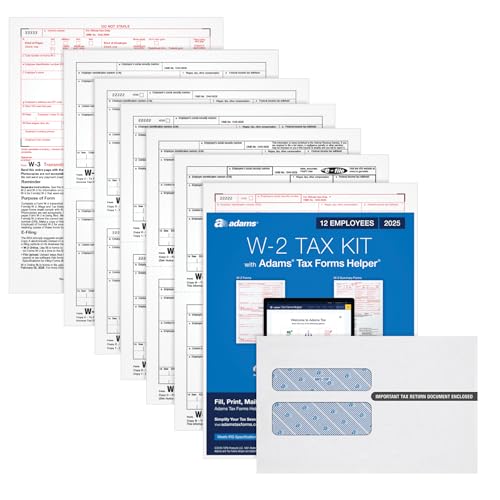
Adams W-2 Forms 2025, 6-Part Kit for 12 Recipients, Includes 12 Envelopes, 3 W-3 Forms, QuickBooks Compatible, eFile Access and Printing Through Adams Tax Forms Helper Software (1017237)
- Includes 12 six-part W-2 forms: Copies A, B, C, D, 1, 2, and 3 W-3 forms, envelopes, and print code
- Simplifies tax season: Includes 3 W-3 transmittal forms and security envelopes
- Free Helper software access: Allows easy printing and eFiling for 10+ returns
As an affiliate, we earn on qualifying purchases.
As an affiliate, we earn on qualifying purchases.
Frequently Asked Questions
Can I Hire My Child as an Independent Contractor Instead of an Employee?
You can hire your child as an independent contractor, but you need to take into account the independent contractor classification and tax implications carefully. If your child truly controls how they perform their work and supplies their own tools, they might qualify. However, misclassification can lead to penalties. Make certain the work arrangement aligns with IRS guidelines to avoid tax issues, and consult a tax professional to confirm your setup complies with all legal requirements.
Are There Age Restrictions for Employing My Child in a Family Business?
You can hire your child as young as age 7 for certain chores, but child labor laws and employment age limits restrict most work until age 14 or 16. For example, a family bakery hired a 12-year-old for light tasks, complying with child labor laws. Always check local regulations, as age restrictions vary by state, and guarantee your child’s work doesn’t interfere with school or safety standards.
How Does Hiring My Child Impact the Business’s Tax Deductions?
Hiring your child can positively impact your business’s tax deduction benefits since wages paid are often deductible, reducing taxable income. However, you should consider employment tax considerations, like withholding and Social Security taxes, which might differ based on your child’s age and employment status. Properly managing these aspects guarantees you maximize tax benefits while complying with IRS rules, ultimately supporting your family business’s financial health.
What Documentation Is Required to Legally Hire My Child?
You need proper documentation to legally hire your child, including a signed employment agreement, proof of age, and an IRS Form W-4 for tax withholding. Guarantee workplace safety measures are met and provide employee benefits like workers’ compensation and payroll taxes. Keep detailed records of hours worked and payments made. This documentation protects both your business and your child, demonstrating compliance with legal requirements, workplace safety standards, and employee benefits obligations.
Can Hiring My Child Help Reduce Overall Family Tax Liability?
Hiring your child can help reduce your family’s overall tax liability by shifting income to them, who likely have a lower tax rate. You should consider the tax implications, such as wages being deductible as a business expense and your child’s standard deduction. This strategy can lower your family income taxed at higher rates, potentially saving you money. Just make certain you follow IRS rules to avoid any issues.
Conclusion
Hiring your child in your family business isn’t just about passing down tradition—it’s a smart tax move that can benefit both of you. As luck would have it, understanding these basics might just save you money and teach your child valuable skills. The coincidence? By simply involving them, you’re not only investing in your business’s future but also creating a legacy of smart, strategic decisions. It’s a win-win you won’t want to miss.