
You should archive tax documents like returns, W-2s, and 1099s if they could be useful for future audits, financial planning, or legal purposes, typically keeping them for at least 3 to 7 years. Delete or securely dispose of documents once the retention period has passed and you’re no longer at risk of needing them. Staying aware of legal and compliance guidelines is essential—if you want to know exactly when to keep or discard, keep exploring these tips.

Get smart everyday buys delivered free with Prime
- Fast, free delivery on millions of items
- Prime Video, Amazon Music and more included
- Member-only deals all year
Key Takeaways
- Archive tax documents for at least 3 to 7 years to comply with legal and audit requirements.
- Delete or securely dispose of documents older than the recommended retention period unless needed for ongoing legal or financial purposes.
- Keep records like tax returns and supporting documents longer if you anticipate future audits or legal issues.
- Regularly review and update your storage to ensure only relevant, retained documents are kept.
- Use secure, encrypted digital formats for long-term storage and safe deletion practices when documents are no longer needed.
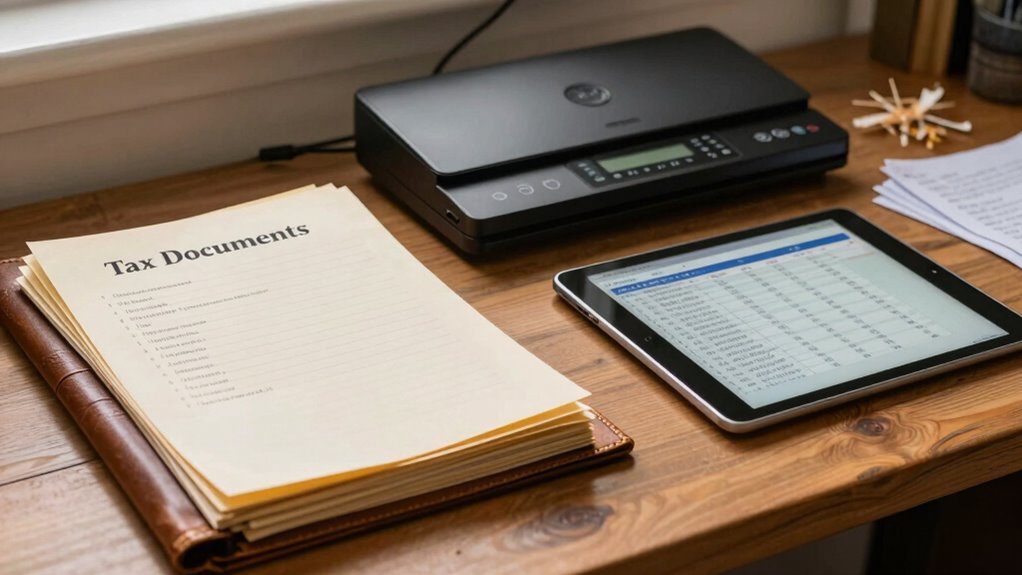
Deciding when to archive or delete your tax documents can be confusing, but understanding the right time to do each is crucial for staying organized and compliant. Knowing the appropriate moments to keep or discard files helps you avoid clutter and potential legal issues. When it comes to archiving, you’ll want to reflect on digital security and storage formats. Digital security is essential because your tax documents contain sensitive information. If you’re storing digital copies, ensure they’re saved in secure, encrypted formats or on platforms with robust security measures. Cloud storage services often provide encryption and regular backups, making them a good choice for long-term storage. On the other hand, physical storage formats like external hard drives or filing cabinets should be kept in secure locations to prevent theft or damage. When deciding whether to archive, think about the importance and longevity of the document. For example, documents such as tax returns, W-2s, and 1099s should be archived for several years, especially if they could be relevant for audits or future financial planning. It’s also helpful to consider storage formats that balance accessibility with security to ensure your documents remain protected over time. Regularly reviewing your storage methods and staying informed about digital security measures can further enhance your document management practices. Additionally, being aware of legal requirements helps ensure you’re compliant with record-keeping rules. To further optimize your process, consider implementing digital security protocols that can safeguard your stored data from unauthorized access. Properly managing your records not only ensures compliance but also provides peace of mind during tax season.
Products Worth Considering

Apple iMac (24-inch, 2024) with M4 Chip, 16GB Unified Memory, 256GB SSD, Silver

Canon PIXMA PRO-200S Wireless Professional Inkjet Photo Printer

Dell 27 Plus QHD Monitor, 27-inch, 144Hz, Ash White
As an affiliate, we earn on qualifying purchases.
Frequently Asked Questions
How Long Should I Keep Digital Copies of Tax Documents?
You should keep digital copies of tax documents for at least seven years, especially if you’re self-employed or have complex finances. Use digital storage for easy access and organize your files systematically. Keep your documents in clearly labeled folders, so you can quickly find what you need. Regularly review and delete outdated files, but make sure you retain important records for the recommended period to support any future audits or inquiries.
Are There Specific Documents I Must Keep Permanently?
You should keep certain documents permanently for record retention, especially those related to your tax history, such as copies of filed returns, W-2s, and 1099s. These documents serve as proof in case of audits or disputes. For other records, like receipts or statements, digital or physical storage for at least 3-7 years is sufficient. Always organize your document storage carefully to guarantee easy access when needed.
Does State Tax Law Affect Archiving or Deleting Documents?
Over 70% of taxpayers are unaware that state tax laws can influence document retention. State regulations often specify how long you must keep records for legal compliance, which can vary considerably. If you don’t adhere to these rules, you risk penalties or audits. Always check your state’s specific requirements to determine whether to archive or delete documents, ensuring you’re compliant with legal standards and safeguarding your financial records.
Can I Delete Tax Records After an Audit?
You shouldn’t delete tax records after an audit, as record retention rules often require keeping documents for a specific period, usually 3 to 7 years. During audit procedures, authorities may request these records, so deleting them prematurely can lead to penalties or complications. To stay compliant, review your local laws, and keep your tax documents until the recommended retention period lapses, even after the audit concludes.
What Are the Risks of Deleting Old Tax Documents?
Deleting old tax documents risks losing crucial records needed for audits or errors. It can compromise tax document security, making it harder to verify past filings. Relying solely on digital storage options without proper backups increases the risk of data loss. To stay safe, keep essential documents securely stored, whether physically or digitally, and consider archiving rather than deleting, so you’re prepared for any future tax or legal questions.
Conclusion
Remember, archiving your tax documents guarantees you’re prepared for audits or future reference, while deleting outdated files keeps your digital space clutter-free. Did you know that the IRS recommends keeping tax records for at least three years, but some situations might require keeping them up to seven? By understanding when to archive and when to delete, you save time and stay compliant. Stay organized, stay prepared, and make your document management effortless.