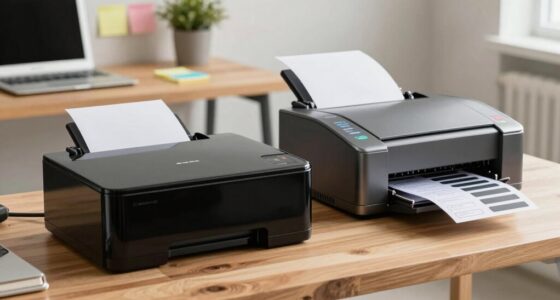

If your printer slows down during tax season, start by checking for paper jams, as misaligned or torn paper can cause delays. Next, make sure your ink or toner cartridges aren’t low or clogged, which affects print quality and speed. Also, clean inside for dust buildup and update your printer drivers. A quick review of network stability can help speed up large files. Keep these basics in mind, and you’ll reduce delays during busy periods. There’s more to optimize your printer performance here.
Key Takeaways
- Check for paper jams or misaligned paper to prevent printing delays.
- Ensure ink or toner cartridges are full and not clogged for optimal printing speed.
- Perform regular printer maintenance, including cleaning dust and inspecting belts or rollers.
- Update printer drivers and software to ensure compatibility and smooth operation.
- Verify network connectivity and restart the router to improve wireless printing performance.

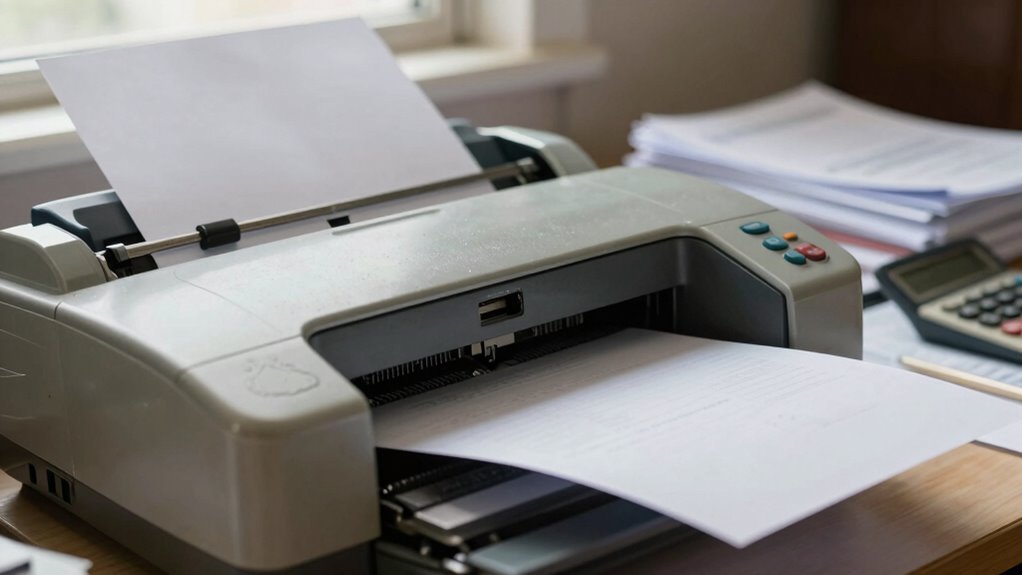
When tax season rolls around, a slow printer can cause frustrating delays and hold up your entire workflow. You’re likely juggling tight deadlines, high volumes of documents, and the pressure to get everything done on time. A sluggish printer only adds to the stress. To get back on track, your first step should be to check for paper jams. Paper jams are one of the most common culprits behind slow printing. They often occur when paper is misaligned or torn, causing the printer to halt or slow down as it attempts to clear the obstruction. Carefully open the printer, look for bits of paper stuck inside, and remove anything that’s causing the jam. Clearing paper jams can instantly improve print speed and prevent future delays.
Start by checking for paper jams to quickly improve printer speed during busy tax season.
Next, you should examine your ink or toner cartridges. Ink cartridge issues are another frequent source of printing sluggishness. If the cartridges are running low or clogged, the printer might slow down or produce faint, streaky output. Remove the cartridges and check their ink levels. If they’re nearly empty, replacing them can significantly boost print speed and quality. Even if the ink levels seem fine, cartridges can sometimes become clogged, especially if the printer hasn’t been used regularly. In such cases, running a cleaning cycle—most printers have this feature—can clear dried ink or toner and restore optimal flow. This simple step can prevent unnecessary slowdowns caused by clogged nozzles or toner chambers. Additionally, understanding the importance of color accuracy in home cinema projectors can help you choose the right settings for clearer and more vibrant prints, especially when printing images with rich colors.
Aside from paper jams and ink issues, consider the overall condition of your printer. Dust buildup inside the device can impair its mechanics, causing it to operate more slowly. Use a soft cloth to clean dust from accessible parts, and check for any loose or worn-out belts or rollers that might be affecting movement. Regularly inspecting and maintaining your printer can prevent many common issues that contribute to slow performance. Furthermore, printer maintenance routines like cleaning internal components and replacing worn parts can extend your device’s lifespan and efficiency. Make sure your printer drivers are up to date, too. Outdated drivers can cause communication issues between your computer and the printer, leading to sluggish performance. Updating drivers from the manufacturer’s website ensures smooth operation and compatibility with your current software.
Finally, evaluate your network connection if you’re using a wireless or networked printer. Slow or unstable connections can cause printing delays, especially with large files common during tax season. Restart your router and reconnect your printer to see if that improves speed. Printer network stability is crucial for seamless printing, particularly when handling large documents. By systematically checking these key areas—paper jams, ink cartridge issues, device cleanliness, driver updates, and network stability—you can troubleshoot common problems that cause a slow printer. Taking these steps now ensures your workflow remains steady, deadlines are met, and tax season proceeds without unnecessary snags.
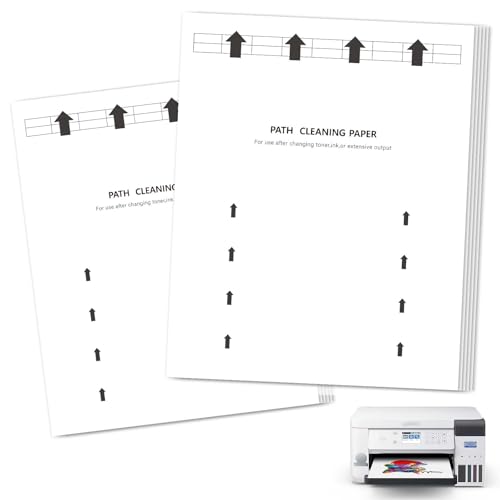
15-Pack Cleaning Sheets(11 * 8.5in) for Laser and Inkjet Printers,Universal Roller Cleaning Sheets for Copiers and Fax Machines, Printer Paper for cleaning Dust and Debris
- Professional cleaning for printers: Removes toner, dust, and smudges
- Quick 30-second maintenance: Cleans during printing in seconds
- Prevents paper jams: Reduces debris buildup for smooth operation
As an affiliate, we earn on qualifying purchases.
As an affiliate, we earn on qualifying purchases.
Frequently Asked Questions
How Can I Prevent My Printer From Slowing Down During Tax Season?
To prevent your printer from slowing down during tax season, make sure you use high-quality printer ink to avoid clogs and print issues. Regularly check for paper jams and clear them promptly to keep printing smoothly. Keep your printer drivers updated, and avoid overloading the paper tray. Performing routine maintenance and using the right paper type will help maintain peak speed and prevent delays when you need it most.
What Are Signs My Printer Needs Maintenance or Replacement?
You’ll notice your printer needs maintenance or replacement if printing slows down, or if ink cartridges run out quickly. Frequent paper jams signal it’s time for a check-up or replacement. Also, if prints are streaky or faint, the ink cartridge may be low or clogged. Regularly cleaning the print heads and replacing cartridges when needed can keep your printer running smoothly and prevent delays during busy tax season.
Are There Specific Printer Models Better for High-Volume Printing?
You should look for printers designed for high-volume printing, like those with wireless connectivity, which lets you print from multiple devices easily. Models with reliable ink cartridge compatibility guarantee you won’t face frequent refills or jams, keeping your workflow smooth. Brands like Brother, HP, and Canon often offer high-capacity, fast printers suited for busy tax season demands. Choosing the right model helps you avoid delays and keeps your productivity high.
How Do I Optimize Printer Settings for Faster Tax Document Printing?
To optimize your printer settings for faster tax document printing, set your printer to draft mode for lower print quality, which speeds up the process and reduces ink usage. Adjust the print quality settings in the printer preferences, choosing a balance that maintains clarity while maximizing speed. Also, consider using black-and-white printing when color isn’t necessary, as this can further improve print speed and reduce ink consumption.
What Common Mistakes Cause Printer Delays During Busy Periods?
You often cause printer delays during busy periods by neglecting to check your ink cartridge, which can cause printing slowdowns or errors. Additionally, failing to clear paper jams promptly can halt the process altogether. Make sure your ink cartridge is full and compatible, and regularly clear paper jams to keep your printer running smoothly. These simple mistakes can greatly impact your printing speed during critical tax season deadlines.
Conclusion
Don’t let a sluggish printer sabotage your season. Stay sharp by checking connections, clearing clogging queues, and updating drivers. A simple, swift inspection can save hours, hassles, and headaches. Keep your process smooth, your patience plentiful, and your productivity powerful. With a little care, you’ll conquer tax season stress, stay confident, and finish strong. Don’t wait for trouble to take hold—take charge now and turn printer problems into a thing of the past!