

TL;DR
Alan Greenspan, the influential Federal Reserve Chairman for nearly two decades, has died at age 100. His leadership spanned periods of prosperity and financial crises, shaping U.S. monetary policy.
Alan Greenspan, who served as Federal Reserve Chairman from 1987 to 2006 and was a defining figure in U.S. economic policy for nearly two decades, has died at age 100, according to family sources. His death marks the end of a career that influenced the nation’s monetary policy during periods of economic boom and crisis.
Greenspan’s tenure at the Federal Reserve began shortly after the stock market crash of 1987 and extended through the dot-com bubble burst, the 2008 financial crisis, and the subsequent recovery periods. Known for his cautious approach and belief in free markets, Greenspan’s policies have been both praised for fostering growth and criticized for contributing to financial instability.
His family confirmed his passing at his residence in New York. Greenspan was born in 1926 and celebrated his centennial earlier this year. Throughout his career, he was regarded as one of the most influential figures in American economic history, shaping monetary policy for nearly 20 years.
Impact of Greenspan’s Leadership on U.S. Economy
Greenspan’s influence extended beyond the Federal Reserve, affecting global financial markets and economic policy. His decisions and policy stance during times of crisis, especially the 2008 financial meltdown, continue to be analyzed for their long-term impacts. His death prompts reflection on his legacy and the future direction of monetary policy in the U.S.
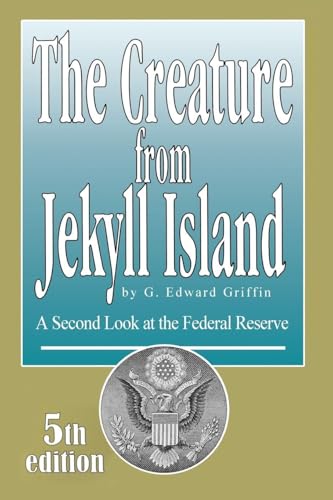
The Creature from Jekyll Island: A Second Look at the Federal Reserve
As an affiliate, we earn on qualifying purchases.
As an affiliate, we earn on qualifying purchases.
Greenspan’s Decades of Monetary Policy Leadership
Appointed by President Ronald Reagan in 1987, Greenspan served as Fed Chairman until 2006, making him the longest-serving in the role. His tenure saw significant economic events, including the late 20th-century boom, the dot-com bust, and the lead-up to the 2008 financial crisis. His tenure was marked by a belief in market self-regulation, often resisting government intervention.
Greenspan’s policies have been scrutinized for their role in both economic stability and instability, with critics arguing that his low-interest rate policies contributed to the housing bubble. His supporters credit him with maintaining relative stability during turbulent times.
“Greenspan’s leadership shaped modern monetary policy, leaving a complex legacy of innovation and controversy.”
— Federal Reserve historian
Unresolved Aspects of Greenspan’s Legacy
While Greenspan’s influence is widely acknowledged, debates continue over the extent to which his policies contributed to the 2008 financial crisis. Some analysts argue that his tenure’s regulatory shortcomings and low-interest policies played a role, but definitive conclusions remain contested. Additionally, how his legacy will influence future Federal Reserve policies is still uncertain.
Future Reflections and Policy Implications
Economists, policymakers, and historians will likely analyze Greenspan’s legacy for years to come. Memorials and retrospectives are expected, along with discussions on how his leadership style and decisions could inform future monetary policy. The Federal Reserve may also reflect on lessons from his long tenure as it navigates new economic challenges.
Key Questions
What were Greenspan’s most significant policy decisions?
Greenspan is known for maintaining low interest rates during the 1990s, managing the economy through the 2001 recession, and his response to the 2008 financial crisis, which involved unconventional measures such as liquidity injections.
How did Greenspan influence the global economy?
As Fed Chairman, Greenspan’s policies affected global markets, given the U.S. dollar’s central role in international finance. His decisions often set the tone for global monetary conditions.
What criticisms did Greenspan face?
Critics argue that his policies contributed to the housing bubble and subsequent financial crisis, with some claiming he failed to adequately regulate risky financial practices.
What is known about Greenspan’s life after leaving the Fed?
After retiring in 2006, Greenspan remained active as a speaker, author, and commentator on economic issues, though he largely stayed out of the public policy arena.
When will memorials or tributes take place?
Details about memorial services or tributes are not yet announced, but they are expected to be scheduled in the coming weeks.
Source: google-trends