
When deciding between buying and leasing a business vehicle for tax reasons, consider your cash flow, mileage, and long-term goals. Buying allows you to deduct depreciation and operating costs, but personal use complicates deductions. Leasing offers simpler tracking and immediate tax benefits with lower monthly payments, plus incentives. Your choice depends on whether you want ownership benefits or flexibility. To learn more about maximizing your tax advantages, explore the detailed differences further.
Key Takeaways
- Buying allows depreciation and expense deductions, but requires tracking personal versus business miles for maximum tax benefits.
- Leasing provides deductible monthly payments and incentives, with simpler mileage tracking if personal use is significant.
- Buying offers potential resale value and long-term depreciation benefits, suitable for high-mileage or long-term use.
- Leasing preserves capital, offers lower initial costs, and simplifies bookkeeping with predictable monthly payments.
- Consulting a tax professional helps determine the most tax-efficient option based on vehicle use and current laws.

When it comes to outfitting your business with a vehicle, understanding the tax implications of buying versus leasing can considerably impact your bottom line. If you’re considering a personal vehicle for business use, it’s essential to weigh how each option affects your taxes. Buying a vehicle means you can potentially deduct depreciation, along with operating expenses like fuel, maintenance, and insurance. However, if the vehicle is also used personally, you’ll need to separate personal and business miles, which complicates deductions. On the other hand, leasing a vehicle often offers predictable monthly payments and might qualify for leasing incentives, which can make leasing more attractive upfront. Many leasing companies provide incentives—such as reduced initial payments or lower rates—that help lower your overall costs and provide immediate tax benefits.
Weigh the tax benefits of buying versus leasing to optimize your business vehicle expenses.
Leasing incentives are designed to encourage businesses to lease instead of buy, and they can include cash rebates, discounted lease rates, or favorable lease terms. These incentives can make leasing a more affordable option, especially if you want to preserve capital or avoid large upfront costs associated with buying. When you lease, you typically deduct the lease payments as an operating expense, which can simplify your bookkeeping. This can be especially advantageous if your business prefers steady expenses rather than large depreciation schedules. Additionally, understanding vehicle depreciation is crucial when deciding between buying and leasing, as it directly impacts your tax deductions. Furthermore, the tax laws surrounding vehicle deductions can change periodically, so staying informed helps ensure compliance and maximized benefits. Moreover, the decision might also depend on your cash flow and budget constraints, which can influence whether leasing or buying is more feasible. Considering the potential for tax law changes, consulting a tax professional can help you adapt your strategy accordingly.
A further consideration is the resale value of the vehicle if you decide to purchase, which can affect your overall financial picture. However, keep in mind that you won’t own the vehicle at the end of the lease term, and there are usually mileage limits and wear-and-tear clauses to consider. Buying a personal vehicle for business use might make sense if you plan to keep the vehicle long-term and expect high mileage. You can claim depreciation over several years, and if you use the vehicle predominantly for business, your deductions could be significant. But if the vehicle is also used personally, you’ll need to carefully track the miles driven for business versus personal use to maximize your deductions. Conversely, leasing might be better if you prefer lower monthly payments, want to upgrade to newer models more frequently, or want to take advantage of leasing incentives to reduce costs. Additionally, leasing can help avoid the risk of vehicle obsolescence, keeping your fleet up-to-date with the latest safety and technology features.
Ultimately, your choice depends on your business’s financial situation, how often you want to upgrade vehicles, and your ability to track expenses. Both options come with tax benefits and considerations, so it’s wise to consult a tax professional to determine which strategy aligns best with your goals.

475 Tax Deductions for Businesses and Self-Employed Individuals: An A-to-Z Guide to Hundreds of Tax Write-Offs
As an affiliate, we earn on qualifying purchases.
As an affiliate, we earn on qualifying purchases.
Frequently Asked Questions
How Does Vehicle Type Affect Tax Benefits When Buying or Leasing?
Your vehicle type greatly impacts your tax benefits. Electric vehicles often qualify for higher deductions or credits, making them more attractive regardless of buying or leasing. Luxury cars, however, have limits on deductible expenses, especially for leasing. If you’re considering a luxury car, buying might offer more tax advantages. Overall, choosing an electric vehicle can maximize your tax benefits, whether you buy or lease, due to available incentives.
Are There Specific Industries That Benefit More From Leasing or Buying?
You might find certain industries prefer leasing due to their rapid vehicle turnover, like tech or consulting firms, gaining leasing advantages through lower upfront costs. Conversely, industries with long-term vehicle needs, such as construction or logistics, often benefit from buying because of depreciation benefits. Industry preferences play a big role—leasing offers flexibility and tax advantages, while buying provides ownership benefits, so consider your industry’s specific needs to make the best choice.
What Are the Hidden Costs Associated With Leasing a Business Vehicle?
When leasing a business vehicle, watch out for hidden costs like lease penalties if you end the lease early or exceed mileage limits. Maintenance costs can also surprise you, especially if your lease doesn’t include extensive coverage, leading to out-of-pocket expenses. These hidden costs can add up quickly, so it’s essential to read your lease agreement thoroughly and budget for potential penalties and maintenance to avoid unexpected financial strain.
How Do Lease-End Options Impact Overall Tax Deductions?
Lease-end options considerably impact your overall tax deductions. If you choose a lease extension, you may continue deducting lease payments, but the residual value could limit future deductions. Opting to purchase the vehicle at the residual value might allow you to depreciate the asset further, maximizing deductions. Carefully consider how lease extensions and residual value influence your tax benefits, ensuring you select the option that aligns best with your business’s financial strategy.
Can Personal Use of a Business Vehicle Affect Tax Treatment?
Did you know that about 76% of business owners use their vehicles for personal trips? Personal use of a business vehicle does affect tax implications—you must track and separate personal from business miles. If you use the vehicle for both, you can only deduct the portion related to business use. Keeping detailed records guarantees you maximize deductions without running into IRS issues.
leasing vs buying commercial vehicle
As an affiliate, we earn on qualifying purchases.
As an affiliate, we earn on qualifying purchases.
Conclusion
In the epic battle of buying versus leasing, your choice could turn your business into a financial superhero or a villain! Buying might seem like a bold hero’s move, but leasing can be your secret weapon for flexibility and cash flow. Whichever path you choose, remember—this decision could skyrocket your tax savings or trigger chaos on your budget. So, choose wisely, because your business’s financial future depends on it—like a blockbuster movie, it’s a decision you’ll never forget!
business vehicle lease incentives
As an affiliate, we earn on qualifying purchases.
As an affiliate, we earn on qualifying purchases.
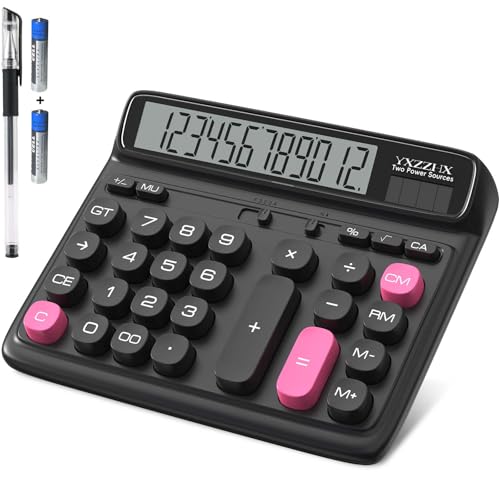
Desktop Calculator with Extra Large 5-Inch LCD Display, 12-Digit Two Way Power Solar & Battery Office Calculator with Big Buttons for Business, Accounting & Home Use(Black)
Two-way Power Desk Calculator: Use solar power or battery power,In the case of sunlight or light, it can…
As an affiliate, we earn on qualifying purchases.
As an affiliate, we earn on qualifying purchases.