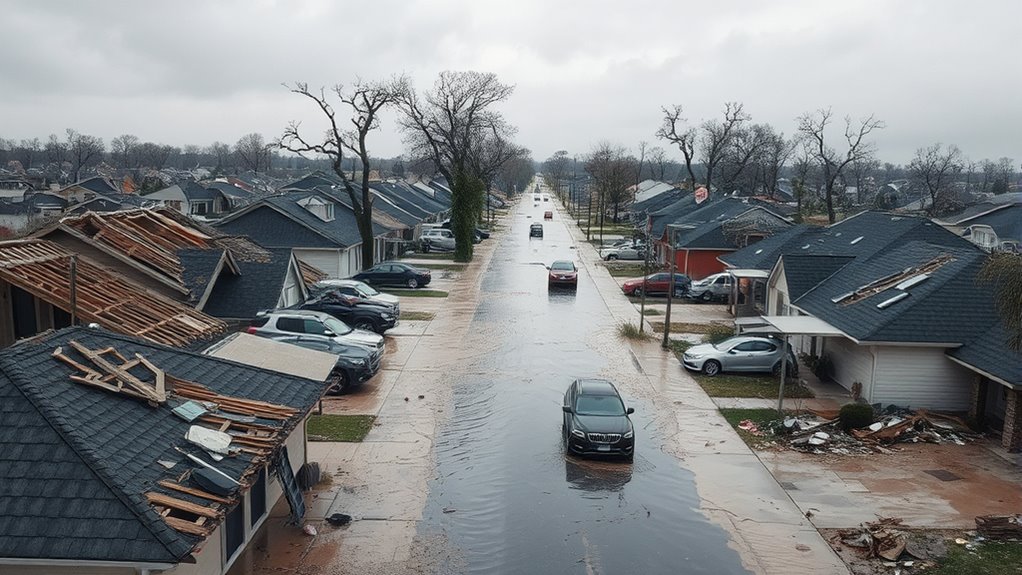

After federally declared disasters, you can claim casualty loss deductions on your taxes to recover some property damages. To qualify, your losses must result from sudden, unexpected events like fires, floods, or storms, and you’ll need proper documentation such as photos and estimates. Insurance payouts may reduce your deductible. Keeping detailed records helps you maximize this deduction and ensure IRS compliance. Continue exploring to learn how to document your damages and claim these deductions effectively.

Get smart everyday buys delivered free with Prime
- Fast, free delivery on millions of items
- Prime Video, Amazon Music and more included
- Member-only deals all year
Key Takeaways
- Casualty losses from federally declared disasters may be deductible on federal tax returns.
- Proper documentation, including photos and repair estimates, is essential to claim the deduction.
- Insurance payouts can reduce the amount of casualty loss deductible.
- The damage must result from a sudden, unexpected, or unusual event to qualify.
- Filing promptly and keeping detailed records help maximize potential deductions and ensure IRS compliance.
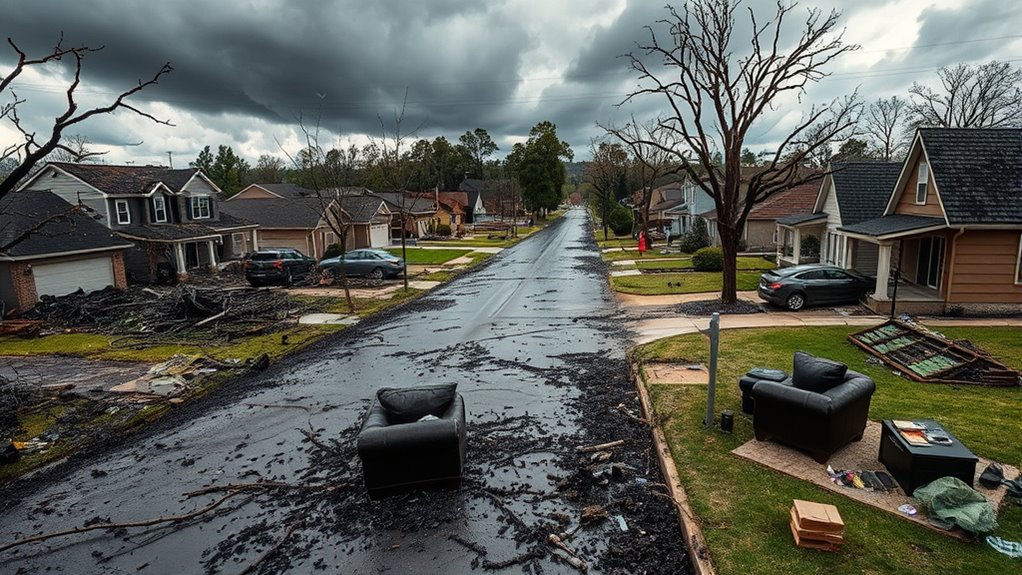
Have you ever experienced a sudden loss due to a natural disaster or accident? If so, you know how overwhelming it can be to deal with the aftermath. One of the first steps you should take is to file insurance claims to help recover some of your losses. Proper disaster preparedness can make this process smoother, guaranteeing you gather all necessary documentation and understand your policy coverage. Being proactive before a disaster strikes can save you time and frustration when you’re trying to restore your life.
When a disaster occurs and is officially declared a federal disaster, you may be eligible for casualty loss deductions on your taxes. These deductions can markedly reduce your taxable income, but only if you follow the proper procedures. To qualify, your loss must be a sudden, unexpected, or unusual event like a wildfire, hurricane, or flood. Before claiming these deductions, it’s important to document your damages thoroughly—photos, receipts, and any estimates—so you have solid evidence for the IRS. Your insurance claims will play an essential role here; filing those promptly helps establish the extent of your loss and supports your deduction claim. Insurance payouts may reduce the amount of casualty loss you can deduct, so understanding the interaction between your insurance claim and tax deduction is indispensable. Additionally, understanding the contrast ratio of your damaged property can help you assess the severity of visual damages for documentation purposes.
Disaster preparedness isn’t just about having supplies and evacuation plans; it also involves understanding how to handle the financial side of a disaster. Knowing how to document damages and file insurance claims effectively puts you in a better position to maximize your casualty loss deduction. It’s also wise to keep detailed records of all repairs, expenses, and communications with insurance companies. These records will help you accurately calculate your loss, which is necessary for completing IRS forms like Form 4684.
disaster damage documentation kit
As an affiliate, we earn on qualifying purchases.
As an affiliate, we earn on qualifying purchases.
Frequently Asked Questions
Can Casualty Losses Be Claimed if Insurance Covers the Damage?
Yes, you can claim a casualty loss deduction even if insurance reimbursement covers some of the damage. However, you’ll need to subtract the insurance reimbursement from the total loss when calculating your deduction. Be aware of deduction limitations, as they may reduce the amount you can claim. Keep detailed records of both the damage and insurance payments to ensure accurate reporting and maximize your allowable deduction.
Are There Specific Disaster Types That Qualify for Casualty Loss Deductions?
Think of qualifying disaster types as keys opening deduction eligibility. You’ll find that only federally declared disasters, like hurricanes or wildfires, typically qualify for casualty loss deductions. Other events, such as earthquakes or floods not declared federal, often don’t meet criteria. To navigate this maze, check whether your disaster is officially recognized, as only qualifying disaster types grant you the opportunity to claim these deductions and ease your financial burden.
How Does Filing for a Federal Disaster Declaration Impact Deductions?
Filing for a federal disaster declaration can boost your casualty loss deductions. It may allow you to claim a larger deduction if insurance reimbursement is less than the property’s pre-disaster valuation. You should adjust your property valuation based on the damage, and any unreimbursed loss becomes deductible. Keep detailed records of your insurance payments and property value changes to maximize your deduction.
What Records Are Needed to Substantiate Casualty Loss Claims?
Think of yourself as a detective gathering evidence. You’ll need insurance documentation that details your loss and property appraisals to show the extent of damage. Keep copies of police reports, photographs, repair estimates, and receipts. These records help substantiate your casualty loss claim, proving the amount of damage and supporting your deduction. Staying organized guarantees you can efficiently present your case and maximize your eligible deduction.
Can Casualty Losses Be Carried Forward if Not Fully Deducted This Year?
Yes, casualty losses that you can’t fully deduct this year due to deduction limitations can be carried forward as a loss carryover. You should track the unused amount carefully, as it can be deducted in future years until fully exhausted. Keep detailed records of your loss carryover calculations, and remember that the IRS rules limit the total deduction you can claim annually, so proper documentation guarantees you maximize your benefit.
Conclusion
Remember, if you’re affected by a federally declared disaster, you may be eligible for casualty loss deductions. These deductions can substantially ease your financial burden during tough times. In fact, over $2 billion in casualty losses were claimed in the latest tax year, highlighting how many people benefit from this relief. Stay informed and consult with a tax professional to guarantee you maximize your deductions and recover more quickly from disaster-related setbacks.
Halloween Picks
halloween
As an affiliate, we earn on qualifying purchases.