The best beginner tax planning books explain not only how taxes work, but which choices can affect what you owe. I rank Taxes 101: An Essential Primer on the U.S. Tax System as the best overall starting point for readers who need a broad foundation; Smart Tax Planning stands out for connecting tax choices to everyday financial decisions, while LLC and Taxes Explained for Beginners focuses on new business owners. The main tradeoff is breadth versus specialization: a general guide can clarify the basics, while an LLC, deduction, or retirement title may better match a specific situation. Tax rules and publication dates also matter, especially for filing instructions. Read on for the full breakdown of all 15 books and how I’d match each one to a beginner’s needs.

Get smart everyday buys delivered free with Prime
- Fast, free delivery on millions of items
- Prime Video, Amazon Music and more included
- Member-only deals all year
Key Takeaways
- A broad foundation comes first for many readers: Taxes 101 offers a wider starting point than the titles focused only on LLCs, small businesses, or retirement.
- Business books serve different stages: beginner LLC guides address entity basics, while Tax Savvy for Small Business and the CPA-focused guide emphasize strategy and systems.
- Deduction-focused titles need a careful reader: Deduct Everything! and Tax Deductions Playbook center on write-offs, but a list of possible deductions is not a substitute for eligibility and recordkeeping rules.
- Tax-year specificity changes the job a book can do: Taxes 2027 for Beginners is oriented toward a filing year, while broader planning books aim to explain decisions beyond one return.
- Specialist titles are not interchangeable: estate and retirement planning, high-net-worth strategy, and early retirement each address distinct needs that a general beginner book may not cover.
| Tax Savvy for Small Business: A Complete Tax Strategy Guide |  | Best for Small-Business Tax Strategy | Product type: Book | Topic: Small-business tax strategy | Stated audience: Small-business owners | VIEW LATEST PRICE | See Our Full Breakdown |
| Small Business Tax Strategies and Tech Tools: A CPA’s Guide to Saving Money, Staying Compliant, and Simplifying Taxes with Smart Systems |  | Best for Systems-Minded Owners | Topic: Small-business taxes | Focus: Tax strategies, compliance, and technology tools | Stated audience: Small-business owners | VIEW LATEST PRICE | See Our Full Breakdown |
| Tax Strategies for High Net-Worth Individuals: Save Money, Invest, and Reduce Taxes |  | Best for Affluent Investors | Topic: Tax strategies for high-net-worth individuals | Stated audience: High-net-worth individuals | Named themes: Saving money, investing, and reducing taxes | VIEW LATEST PRICE | See Our Full Breakdown |
| Smart Tax Planning: A Practical Guide to Legally Lowering Taxes and Making Better Financial Decisions |  | Best for Year-Round Planning | Topic: Practical tax planning | Focus: Legally lowering taxes | Additional focus: Making better financial decisions | VIEW LATEST PRICE | See Our Full Breakdown |
| Tax-Free Wealth: How to Build Massive Wealth by Permanently Lowering Your Taxes |  | Best for Wealth-Building Motivation | Topic: Tax reduction and wealth building | Stated aim: Build wealth by lowering taxes | Product type: Book | VIEW LATEST PRICE | See Our Full Breakdown |
| LLC and Taxes Explained for Beginners: A Step-by-Step Guide |  | Best for First-Time LLC Owners | Format: Not specified | Length: Not specified | Primary focus: Starting an LLC and understanding business taxes | VIEW LATEST PRICE | See Our Full Breakdown |
| Deduct Everything!: Hundreds of Tax Tips, Legal Write-Offs, Credits, and Loopholes |  | Best for Deduction-Focused Readers | ASIN: 1630063495 | Format: Not specified | Length: Not specified | VIEW LATEST PRICE | See Our Full Breakdown |
| Taxes 101: An Essential Primer on the U.S. Tax System |  | Best Overall for Tax-System Basics | ASIN: 1507222653 | Series: Adams 101 Series | Subject: U.S. tax system | VIEW LATEST PRICE | See Our Full Breakdown |
| The All-in-One Beginner’s Guide to Small Business Taxes: 100 Practical Tips |  | Best for Practical Small-Business Tips | Format: Not specified | Length: Not specified | Primary focus: Small-business taxes | VIEW LATEST PRICE | See Our Full Breakdown |
| J.K. Lasser’s New Rules for Estate, Retirement, and Tax Planning |  | Best for Long-Range Planning Interests | ASIN: 1394420935 | Format: Not specified | Length: Not specified | VIEW LATEST PRICE | See Our Full Breakdown |
| How to Save Thousands in Taxes with an LLC: Smart Strategies for Life After the W-2 |  | Best for W-2-to-LLC Tax Planning | Format: Book | Primary topic: Tax planning with an LLC | Intended transition: Moving beyond traditional W-2 employment | VIEW LATEST PRICE | See Our Full Breakdown |
| LLC & Taxes for Beginners: How Anyone Can Launch a Company and Reduce Taxes Without Lawyers or Confusion |  | Best for First-Time LLC Owners | Format: Business book | Intended audience: U.S. and non-U.S. entrepreneurs | Experience level: Beginners | VIEW LATEST PRICE | See Our Full Breakdown |
| Taxes 2027 for Beginners: A Practical Guide to Filing Your Federal Income Tax Return |  | Best for First-Time Federal Filers | Tax year in title: 2027 | Primary topic: Filing a federal income tax return | Experience level: Beginners | VIEW LATEST PRICE | See Our Full Breakdown |
| Tax Deductions Playbook: A Beginner-Friendly Guide to Maximizing Write-Offs |  | Best for Understanding Deductions | Experience level: Beginner-friendly | Primary topic: Tax deductions and write-offs | Stated goal: Reducing taxable income legally | VIEW LATEST PRICE | See Our Full Breakdown |
| Tax Planning to and Through Early Retirement | 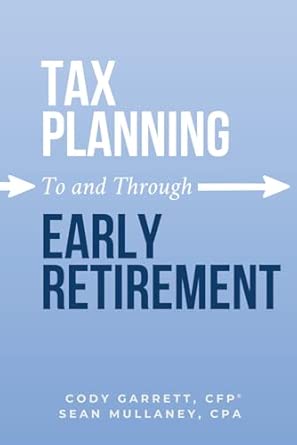 | Best for Early-Retirement Planning | Primary topic: Tax planning for early retirement | Planning period: Before and through early retirement | Experience level: Not specified | VIEW LATEST PRICE | See Our Full Breakdown |
| beginner tax planning book | ASIN | Format |
|---|---|---|
| Tax Savvy for Small Business: | 1413332315 | — |
| Small Business Tax Strategies | B0FQJZL8C5 | — |
| Tax Strategies for High Net-Wo | 1734792620 | — |
| Smart Tax Planning: A Practica | B0GZF11MZ7 | — |
| Tax-Free Wealth: How to Build | B0D15448Q7 | — |
| LLC and Taxes Explained for Be | — | Not specified |
| Deduct Everything!: Hundreds o | 1630063495 | Not specified |
| Taxes 101: An Essential Primer | 1507222653 | — |
| The All-in-One Beginner’s Guid | — | Not specified |
| J.K. Lasser’s New Rules for Es | 1394420935 | Not specified |
| How to Save Thousands in Taxes | 1971909947 | Book |
| LLC & Taxes for Beginners: How | B0HKFSCDXB | Business book |
| Taxes 2027 for Beginners: A Pr | B0H96RFW4H | — |
| Tax Deductions Playbook: A Beg | B0GYQM6WFG | Not specified |
| Tax Planning to and Through Ea | B0FNNVXY16 | Not specified |
More Details on Our Top Picks
Tax Savvy for Small Business: A Complete Tax Strategy Guide
Small-business focus gives this book a clearer audience than broad tax-planning titles such as Smart Tax Planning. Its title promises a strategy guide for owners rather than a general introduction to filing, which may suit readers ready to think about business taxes as part of running a company. The available details, though, do not identify specific topics, tools, or examples, so I would not choose it expecting step-by-step instruction or a particular level of beginner support. Compared with Small Business Tax Strategies and Tech Tools, this book has no stated technology or compliance emphasis. That makes its appeal more straightforward, but leaves less evidence about how it helps readers put advice into practice. It is a reasonable match for owners seeking a business-centered tax strategy resource, with limited detail available to judge its depth.
Pros:- Focuses on tax strategy for small-business owners.
- Its stated audience is narrower than that of general tax-planning guides.
- The complete-guide framing signals a business-oriented resource rather than a filing-only title.
Cons:- The provided product details do not identify specific tax topics, examples, or planning methods.
- No technology, compliance, or beginner instruction features are confirmed.
Best for: Small-business owners who want a book centered on tax strategy rather than a general personal-tax overview.
Not ideal for: First-time filers seeking confirmed step-by-step guidance, specific examples, or described tax software and compliance tools.
- Product type:Book
- Topic:Small-business tax strategy
- Stated audience:Small-business owners
- Title framing:Complete tax strategy guide
- ASIN:1413332315
- Format details:Not provided
Our verdict“Choose this for a small-business tax strategy focus, but look elsewhere if you need verified step-by-step beginner instruction.”
Small Business Tax Strategies and Tech Tools: A CPA’s Guide to Saving Money, Staying Compliant, and Simplifying Taxes with Smart Systems
Tax processes and technology are the distinguishing angle here: the book pairs tax-saving strategies with compliance and tools intended to simplify business tax work. That makes it a more practical fit for owners trying to organize recurring tasks than Tax Savvy for Small Business, whose supplied details establish a strategy focus but say nothing about systems. The CPA framing may appeal to readers looking for professional guidance, though the product information does not specify credentials beyond the title or describe particular tools. This is still a business-focused book, not a broad primer for every new filer; readers who need foundational explanations of personal income taxes may find the subject too narrow. Its systems emphasis is useful when administration is the pain point, but readers seeking a purely conceptual planning book may prefer Smart Tax Planning.
Pros:- Addresses both tax-saving strategies and compliance.
- Connects tax work with technology tools and smart systems.
- Targets small-business owners rather than an unspecified general audience.
- Its process-oriented focus can speak to recurring administrative challenges.
Cons:- The provided details do not name specific tools or explain how they are used.
- The small-business scope may not suit readers focused on personal or household tax planning.
Best for: Small-business owners who want to pair tax-saving ideas with better organization, compliance routines, and technology-assisted processes.
Not ideal for: New personal-tax filers or readers who want a broad tax primer without a business and technology focus.
- Topic:Small-business taxes
- Focus:Tax strategies, compliance, and technology tools
- Stated audience:Small-business owners
- Author framing:A CPA’s guide
- Approach:Smart systems for simplifying tax processes
- ASIN:B0FQJZL8C5
Our verdict“Pick this if you run a small business and want tax guidance linked to systems and compliance, not a general beginner tax primer.”
Tax Strategies for High Net-Worth Individuals: Save Money, Invest, and Reduce Taxes
High-net-worth tax planning sets this apart from the small-business titles in the lineup. The title points to a reader balancing taxes with investing and wealth, rather than someone learning basic filing or building a first business. Compared with Tax Savvy for Small Business, its stated audience is much narrower; that specialization could be useful for affluent investors, but it makes this a poor starting point for most beginners. The supplied information does not describe the strategies, examples, or level of explanation inside, so I cannot confirm how accessible the material is or whether it covers specific investment situations. Readers looking for general guidance on year-round financial decisions may find Smart Tax Planning a closer fit. This book makes the list for its distinct audience, not as a broad entry-level tax manual.
Pros:- Clearly identifies high-net-worth individuals as its intended audience.
- Connects tax reduction with investing and wealth-building themes.
- Offers a more specialized focus than general tax-planning books.
Cons:- The provided details do not describe its strategies, examples, or teaching level.
- Its narrow audience makes it a weak fit for most beginner filers.
- No format or subject-specific coverage details are supplied.
Best for: Affluent investors and high-net-worth readers who want tax planning framed around investing and wealth.
Not ideal for: First-time filers, people with straightforward returns, and readers seeking small-business or general tax basics.
- Topic:Tax strategies for high-net-worth individuals
- Stated audience:High-net-worth individuals
- Named themes:Saving money, investing, and reducing taxes
- Product type:Book
- ASIN:1734792620
- Format details:Not provided
Our verdict“Choose this only if you are an affluent investor seeking wealth-focused tax guidance rather than basic tax instruction.”
Smart Tax Planning: A Practical Guide to Legally Lowering Taxes and Making Better Financial Decisions
Year-round financial decisions, rather than business compliance or a specific wealthy audience, define this guide’s place in the roundup. Its description connects legal tax reduction with decisions made throughout the year, giving it broader potential appeal than Small Business Tax Strategies and Tech Tools, which is aimed at business owners and emphasizes systems. That wider framing may suit beginners who want to think beyond filing season, but the supplied details do not confirm coverage of basic tax concepts, worksheets, or examples. Readers looking for a specialized wealth-and-investing angle may find Tax Strategies for High Net-Worth Individuals more directly targeted, while this title appears less segmented. Its practical promise is attractive, but buyers should not assume it supplies a complete filing walkthrough based on the available description.
Pros:- Frames tax planning as a year-round activity.
- Pairs legally lowering taxes with broader financial decisions.
- Has a wider stated audience than business-only or high-net-worth-specific books.
Cons:- The description does not confirm beginner lessons, examples, or planning worksheets.
- No specific tax topics or methods are identified.
- It is not described as a filing walkthrough or business compliance guide.
Best for: Beginners who want to connect legal tax planning with financial choices made throughout the year.
Not ideal for: Small-business owners seeking named compliance tools or affluent investors seeking specialized wealth-planning coverage.
- Topic:Practical tax planning
- Focus:Legally lowering taxes
- Additional focus:Making better financial decisions
- Planning horizon:Throughout the year
- Product type:Book
- ASIN:B0GZF11MZ7
Our verdict“Choose this for a broad, year-round planning perspective, but not if you need confirmed filing steps or specialized business guidance.”
Tax-Free Wealth: How to Build Massive Wealth by Permanently Lowering Your Taxes
Wealth building through tax reduction is the central promise of this title, making it more aspirational than the practical, year-round framing of Smart Tax Planning. That may appeal to readers who want to connect tax decisions with long-term wealth goals, but the supplied description does not establish which methods the book covers or how it explains them. The claim of permanently lowering taxes is ambitious; beginners should treat the title as a broad promise, not proof that any result applies to their circumstances. Compared with Tax Strategies for High Net-Worth Individuals, this title signals wealth creation without specifying an affluent audience, though its actual accessibility is unknown. It is a distinct pick for motivation around tax-conscious wealth building, but less clearly suited to readers who need foundational instruction or concrete, confirmed planning steps.
Pros:- Connects tax reduction with a clear wealth-building theme.
- Presents a broader wealth premise than the high-net-worth-specific focus of some titles.
- May appeal to readers looking for a motivating long-term perspective.
Cons:- The available description does not identify the methods or examples covered.
- The permanent-tax-reduction framing may create expectations the supplied details cannot verify.
- No beginner-level instruction or specific audience is confirmed.
Best for: Readers motivated by the link between tax reduction and long-term wealth building who are comfortable with limited detail about the book’s methods.
Not ideal for: Beginners who need verified tax fundamentals, specific step-by-step strategies, or guidance tailored to a defined financial situation.
- Topic:Tax reduction and wealth building
- Stated aim:Build wealth by lowering taxes
- Product type:Book
- ASIN:B0D15448Q7
- Specific strategies:Not provided
- Format details:Not provided
Our verdict“Consider this for a wealth-focused perspective on taxes, but choose a more clearly instructional title if you need dependable beginner steps.”
LLC and Taxes Explained for Beginners: A Step-by-Step Guide
This guide is the most directly aimed at readers who are forming an LLC and need to connect business setup with tax responsibilities. Its stated coverage of filing, deductions, and IRS compliance gives beginners a practical starting point, while the step-by-step framing may feel more approachable than the broader overview in Taxes 101: An Essential Primer on the U.S. Tax System. It also overlaps with The All-in-One Beginner’s Guide to Small Business Taxes, but this title puts LLC formation explicitly in the frame rather than presenting itself as a general small-business tax guide. The limitation is that the available description does not identify its format, length, or level of detail. Readers seeking a documented, in-depth tax reference may want more information before choosing it.
Pros:- Connects LLC startup steps with business tax responsibilities
- Covers tax filing and deductions for beginners
- Includes IRS compliance as part of its stated scope
Cons:- Available information does not specify the format or length
- The description does not reveal how deeply individual tax situations are covered
Best for: New or prospective single-member LLC owners who want an introductory guide connecting business setup with tax filing and deductions.
Not ideal for: Readers who need detailed information about a particular business structure, tax scenario, or the book’s scope before buying; the supplied details do not clarify that depth.
- Format:Not specified
- Length:Not specified
- Primary focus:Starting an LLC and understanding business taxes
- Tax topics:Filing taxes, deductions, and IRS compliance
- Intended reader:Beginners
- Business type:LLC
Our verdict“Choose this if you are starting an LLC and want a beginner-oriented link between setup and tax basics, rather than a general U.S. tax primer.”
Deduct Everything!: Hundreds of Tax Tips, Legal Write-Offs, Credits, and Loopholes
This title is the lineup’s clearest pick for readers who want to focus on write-offs, credits, and legal tax strategies rather than learn the tax system from the ground up. That makes it a different starting point from Taxes 101: An Essential Primer on the U.S. Tax System, whose stated scope includes forms, filing, laws, and policy. Its emphasis on deductions may also complement The All-in-One Beginner’s Guide to Small Business Taxes, but the available description does not say whether its examples center on individuals, business owners, or both. The title signals a broad collection of tips, yet the supplied details do not establish how those tips are organized, explained, or updated. I would favor it for readers with basic tax familiarity, not as a sole guide to filing or compliance.
Pros:- Centers on tax tips, write-offs, and credits
- Explicitly frames strategies as legal
- Offers a distinct deduction-focused angle compared with broad tax primers
Cons:- The supplied description does not specify the book’s format or length
- Its intended audience and coverage boundaries are not clear
- The available information does not explain how advice is organized or kept current
Best for: Tax filers who already know the basics and want a focused source of ideas about legal write-offs, credits, and tax strategies.
Not ideal for: First-time filers who need step-by-step help with forms, filing procedures, or foundational explanations of the U.S. tax system.
- ASIN:1630063495
- Format:Not specified
- Length:Not specified
- Primary focus:Tax tips and legal tax strategies
- Topics:Write-offs, credits, and loopholes
- Strategy framing:Legal tax reduction
Our verdict“Pick this for a deduction-centered supplement if you know basic filing already, but choose Taxes 101 for a broader introduction.”
Taxes 101: An Essential Primer on the U.S. Tax System
For a beginner who wants context before choosing specific deductions or business strategies, this is the broadest starting point in this group. Its stated coverage spans tax forms and filing, tax laws and policies, and ways to reduce tax costs, giving it a wider foundation than LLC and Taxes Explained for Beginners, which centers on LLC setup and business taxes. It also looks less narrowly focused on write-offs than Deduct Everything!, making it a stronger fit for readers who do not yet know which tax questions to ask. That breadth is useful for building a mental map, but it may offer less targeted guidance for a new small-business owner than the two business-specific titles. The description does not specify how detailed its planning strategies are.
Pros:- Covers tax forms and filing alongside the wider tax system
- Introduces tax laws and policies, not just deductions
- Includes strategies for reducing tax costs and building wealth
- Identified as part of the Adams 101 Series
Cons:- Its broad scope may be less targeted than an LLC or small-business guide
- The supplied description does not specify the depth of its planning examples
Best for: First-time U.S. tax learners who want an introductory overview of filing, forms, tax policy, and basic tax-reduction strategies.
Not ideal for: Small-business owners seeking focused LLC guidance, or experienced filers looking for detailed strategies for a specific tax situation.
- ASIN:1507222653
- Series:Adams 101 Series
- Subject:U.S. tax system
- Primary audience:Introductory readers
- Filing topics:Tax forms and filing
- Policy topics:Tax laws and policies
- Planning topics:Minimizing tax costs and building wealth
Our verdict“Choose this as your first stop for a broad U.S. tax foundation; choose an LLC-focused title if business ownership is your main concern.”
The All-in-One Beginner’s Guide to Small Business Taxes: 100 Practical Tips
The promise of 100 practical tips makes this the most action-oriented small-business option in this batch. Its stated emphasis on deductions, IRS compliance, and saving money gives new owners a checklist-style alternative to Taxes 101: An Essential Primer on the U.S. Tax System, which covers a wider set of foundational topics. Compared with LLC and Taxes Explained for Beginners, this guide is framed for small businesses generally rather than LLC setup specifically, so it may suit owners who are still comparing structures. The tradeoff is that a tips format can favor quick takeaways over a connected explanation of tax rules. The description does not say what the tips cover individually, or how much detail supports each one.
Pros:- Promises 100 practical tips for small-business tax topics
- Addresses deductions and potential tax savings
- Includes IRS compliance in its stated focus
- Applies to small businesses broadly rather than naming only LLCs
Cons:- The available details do not describe the individual tips or their depth
- A tip-based approach may provide less connected instruction than a tax-system primer
Best for: New small-business owners who want a practical set of tax reminders about deductions, compliance, and saving money.
Not ideal for: Readers who need a thorough explanation of tax law, detailed LLC formation advice, or a clearly documented scope before purchasing.
- Format:Not specified
- Length:Not specified
- Primary focus:Small-business taxes
- Stated number of tips:100
- Tax topics:Deductions, IRS compliance, and saving money
- Intended reader:Beginners
Our verdict“Choose this for quick, small-business-focused tax pointers; choose Taxes 101 if you need a broader explanation of the U.S. tax system.”
J.K. Lasser’s New Rules for Estate, Retirement, and Tax Planning
This is the most specialized choice here: its stated scope joins estate, retirement, and tax planning, which may appeal to readers thinking beyond their next return. That makes it a different kind of resource from Taxes 101: An Essential Primer on the U.S. Tax System, which is explicitly positioned as an introduction to forms, filing, and tax-system basics. It also reaches beyond the small-business emphasis of The All-in-One Beginner’s Guide to Small Business Taxes. The subject mix could help readers see how tax decisions connect with longer-range financial plans, but the supplied product information gives no detail about its intended skill level, examples, or specific rules. I would not rank it as the first book for someone who simply needs help understanding a basic tax return.
Pros:- Covers estate planning and retirement alongside taxes
- Offers a longer-range planning focus distinct from filing primers
- May suit readers connecting tax decisions with broader financial planning
Cons:- The supplied description provides no detail about chapters, examples, or coverage
- Its fit for complete beginners is unclear
- It is less directly focused on basic tax filing than Taxes 101
Best for: Readers beginning to explore how taxes relate to retirement and estate planning, alongside broader long-term financial decisions.
Not ideal for: First-time filers seeking basic form-by-form guidance, or small-business owners looking mainly for deductions and IRS compliance instructions.
- ASIN:1394420935
- Format:Not specified
- Length:Not specified
- Primary topics:Estate, retirement, and tax planning
- Planning focus:Long-range financial planning
- Intended level:Not specified
Our verdict“Choose this if your beginner tax questions are tied to estate and retirement planning, not if you need a first guide to filing.”
How to Save Thousands in Taxes with an LLC: Smart Strategies for Life After the W-2
Best suited to a specific career shift, this book focuses on tax planning for people moving beyond traditional W-2 employment and using an LLC. That makes it more targeted than LLC & Taxes for Beginners, which also addresses company formation and a broader entrepreneur audience. The emphasis may help readers connect an employment change with business-structure questions, but the available description does not spell out the strategies, examples, or level of detail inside. I’d choose it when the move away from a paycheck is the main reason for reading; someone who simply needs a first federal return may get more direct help from Taxes 2027 for Beginners. Its LLC focus is also a limitation: an LLC alone does not establish that a particular tax treatment applies, so readers should verify advice against their own circumstances.
Pros:- Targets the tax-planning questions that can arise when leaving W-2 employment.
- Centers LLC-based strategies rather than general personal tax filing.
- Its focused scope can help readers frame questions about a new work arrangement.
Cons:- The available description does not identify specific strategies, examples, or chapter coverage.
- The LLC emphasis may be a poor fit for workers who are not forming a business.
- The provided data does not specify the format beyond identifying it as a book.
Best for: W-2 employees preparing to start independent work or a business and seeking an LLC-focused introduction to tax planning.
Not ideal for: Readers who need step-by-step federal return filing help, or who want detailed coverage of the book’s contents before choosing a guide.
- Format:Book
- Primary topic:Tax planning with an LLC
- Intended transition:Moving beyond traditional W-2 employment
- Audience:People considering or pursuing non-W-2 work
- Tax focus:LLC-based tax strategies
- ASIN:1971909947
Our verdict“Choose this focused introduction if you are leaving W-2 work and want to explore LLC-related tax planning, not if you need general filing instructions.”
LLC & Taxes for Beginners: How Anyone Can Launch a Company and Reduce Taxes Without Lawyers or Confusion
Company formation and LLC taxes share the spotlight here, which makes this a wider starting point than How to Save Thousands in Taxes with an LLC, whose stated focus is life after W-2 work. The beginner framing is useful for aspiring owners who need to connect launching a company with basic tax questions, and the description explicitly includes U.S. and non-U.S. entrepreneurs. That broad audience is a distinction, not a guarantee that every jurisdiction is covered in equal depth: the available details do not name countries, explain the tax topics, or show how the advice handles different legal systems. I’d use this as an orientation guide, then check rules with official sources or a qualified professional. Readers who already have a business and mainly want deductions may prefer Tax Deductions Playbook.
Pros:- Combines company-launch basics with an introduction to LLC taxes.
- Is explicitly aimed at beginners rather than experienced business owners.
- Names both U.S. and non-U.S. entrepreneurs as its intended audience.
Cons:- The available description does not specify which non-U.S. jurisdictions are covered.
- No details are provided about chapters, examples, or depth of tax guidance.
- The provided data does not state the book’s format or length.
Best for: First-time entrepreneurs, including U.S. and non-U.S. readers, who want an introductory overview of company formation and LLC taxes.
Not ideal for: Established owners seeking detailed, jurisdiction-specific tax advice or readers who want a guide devoted only to personal tax filing.
- Format:Business book
- Intended audience:U.S. and non-U.S. entrepreneurs
- Experience level:Beginners
- Company topic:Launching a company
- Tax topic:LLC taxes
- ASIN:B0HKFSCDXB
Our verdict“Pick this as a broad first orientation to forming a company and LLC taxes, but seek jurisdiction-specific guidance before acting on its advice.”
Taxes 2027 for Beginners: A Practical Guide to Filing Your Federal Income Tax Return
Filing a federal return is the clearest priority in this guide: it covers IRS forms, deductions, credits, and common mistakes. That makes it a more direct fit for a first-time filer than Tax Deductions Playbook, which concentrates on write-offs, or the LLC titles, which focus on business structures. The practical scope can help a beginner understand the parts of a return and recognize potential errors, but the description does not say whether it includes state taxes, special situations, or details about updates for the named tax year. I’d put it ahead of broader planning books for someone facing a federal filing for the first time. For readers seeking business formation or retirement planning, its stated filing focus is too narrow.
Pros:- Directly addresses federal income tax return filing basics.
- Includes IRS forms, deductions, and credits in its stated scope.
- Calls out common filing mistakes, giving beginners specific errors to watch for.
Cons:- The description does not state whether state income tax returns are covered.
- No details are provided about the book’s examples, depth, or update process.
- Its filing focus offers less stated coverage of business structures or long-term planning.
Best for: A first-time U.S. filer who wants an introduction to federal income tax forms, deductions, credits, and common filing errors.
Not ideal for: Small-business owners seeking LLC formation advice, readers focused on state returns, or people looking for retirement and long-range tax planning.
- Tax year in title:2027
- Primary topic:Filing a federal income tax return
- Experience level:Beginners
- Forms coverage:IRS forms
- Tax topics:Legal deductions and credits
- Additional focus:Common filing mistakes
- ASIN:B0H96RFW4H
Our verdict“Choose this for a first federal return and basic filing concepts; look elsewhere for LLC, state-tax, or retirement planning.”
Tax Deductions Playbook: A Beginner-Friendly Guide to Maximizing Write-Offs
Deductions and write-offs are the whole point of this beginner-friendly guide, so it suits readers who already understand the need to file and now want to learn how taxable income can be reduced legally. Compared with Taxes 2027 for Beginners, it appears narrower: that book covers forms, credits, and filing mistakes, while this one centers deductions. That focus can make the subject easier to approach, but the available description does not list deduction categories, explain eligibility rules, or say whether the guidance applies to employees, business owners, or both. I’d treat it as a topic-specific introduction rather than a substitute for a full tax primer. Readers seeking LLC setup or early-retirement planning will find those subjects outside its stated scope.
Pros:- Keeps its stated focus on deductions and write-offs.
- Is explicitly designed for beginners.
- Frames deductions around legally reducing taxable income.
Cons:- The description does not identify specific deduction categories or eligibility guidance.
- Its narrow subject leaves forms, credits, and filing procedures unconfirmed.
- The intended reader type, such as employee or business owner, is not specified.
Best for: Beginner filers who want a focused introduction to legal deductions and write-offs that may reduce taxable income.
Not ideal for: Readers who need a complete return-filing guide, LLC formation instruction, or tax planning for early retirement.
- Experience level:Beginner-friendly
- Primary topic:Tax deductions and write-offs
- Stated goal:Reducing taxable income legally
- Audience details:Not specified
- Format:Not specified
- ASIN:B0GYQM6WFG
Our verdict“Choose this for a beginner-level focus on deductions, but pair it with a broader filing guide if you need help completing a return.”
Tax Planning to and Through Early Retirement
Early retirement sets this book apart from the other options in this batch, which focus on filing basics, deductions, or LLC taxes. Its title signals planning both before retirement and during it, a useful distinction for readers whose tax questions change as earned income and retirement income shift. But the supplied information gives no chapter details, strategies, account types, or indication of how beginner-friendly the explanation is. That makes this a more specialized and less certain choice than Taxes 2027 for Beginners, whose listed topics clearly address federal forms and filing. I’d shortlist it if retirement timing is the reason you are researching taxes, while treating the title alone as insufficient evidence of coverage. New filers and entrepreneurs should start with a guide matching those needs.
Pros:- Targets tax planning around early retirement rather than general annual filing.
- Its title covers both the period leading up to retirement and the years afterward.
- Offers a distinct subject focus from the filing, deductions, and LLC books in this batch.
Cons:- No details are provided about strategies, examples, or topics covered.
- The available information does not establish whether it is beginner-friendly.
- Account types, tax jurisdictions, and format are not specified.
Best for: People planning to retire early who want a book specifically framed around tax planning before and during retirement.
Not ideal for: First-time tax filers or new business owners who need confirmed instruction on federal forms, deductions, or LLC taxes.
- Primary topic:Tax planning for early retirement
- Planning period:Before and through early retirement
- Experience level:Not specified
- Format:Not specified
- Tax strategies:Not specified
- ASIN:B0FNNVXY16
Our verdict“Consider this if early retirement is your central tax-planning concern, but verify its coverage before relying on it as a beginner guide.”

How We Picked
I compared the 15 titles by how well their stated focus fits a beginner seeking practical tax understanding: breadth of explanation, audience clarity, usefulness for making decisions, and whether the book appears oriented toward ongoing planning or a specific filing task. I also considered how readily a reader can identify the right use case from the title and scope, from basic U.S. tax concepts to LLC setup, small-business systems, deductions, wealth planning, and retirement.
The order gives priority to approachable foundations and broadly useful planning before narrower or more advanced subjects. Specialized books rank higher for readers whose situation matches their subject, but they are not presented as universal first reads. A title’s focus alone does not confirm that its guidance reflects current law, so readers should check its edition and verify time-sensitive rules with current IRS materials or a qualified tax professional.
| beginner tax planning book | Format |
|---|---|
| Tax Savvy for Small Business: | — |
| Small Business Tax Strategies | — |
| Tax Strategies for High Net-Wo | — |
| Smart Tax Planning: A Practica | — |
| Tax-Free Wealth: How to Build | — |
| LLC and Taxes Explained for Be | Not specified |
| Deduct Everything!: Hundreds o | Not specified |
| Taxes 101: An Essential Primer | — |
| The All-in-One Beginner’s Guid | Not specified |
| J.K. Lasser’s New Rules for Es | Not specified |
| How to Save Thousands in Taxes | Book |
| LLC & Taxes for Beginners: How | Business book |
| Taxes 2027 for Beginners: A Pr | — |
| Tax Deductions Playbook: A Beg | Not specified |
| Tax Planning to and Through Ea | Not specified |
Factors to Consider When Choosing Beginner Tax Planning Books
Choose a book for the tax decisions you actually face, not for the biggest promise on the cover. These questions can help you avoid a mismatched guide and decide when a book is a useful learning tool rather than a substitute for professional advice.
Start With Your Immediate Tax Question
Write down the question that prompted your search: understanding a tax return, starting a business, tracking expenses, or planning for retirement. A broad primer is usually a better first purchase when you cannot yet tell which tax rules apply to you. If you already know the issue, a specialist book can save time by concentrating on that subject. A common mistake is buying several narrow guides before learning basic terms such as taxable income, deductions, and estimated payments. Start with one book that answers your current question, then add another only when a new decision arises.
Match the Book to Your Tax Situation
Tax guidance changes with income sources, business structure, investment activity, and life stage. A sole proprietor’s recordkeeping questions are not the same as an LLC owner’s questions, and neither necessarily resembles estate planning or early retirement planning. Before choosing, check whether the book addresses your filing status and the kind of income or activity you have. Do not assume an LLC automatically lowers taxes; legal structure and tax treatment are related but distinct topics. Readers with multiple entities, substantial investments, or complex family assets may learn from a beginner guide but still need tailored advice.
Check the Edition and What It Actually Covers
Some tax books teach durable concepts; others focus on filing steps or rules tied to a particular tax year. For current return preparation, confirm the edition year and whether it covers the tax year you are filing, rather than relying on the publication year alone. For long-range planning, a book explaining principles may remain useful longer, though thresholds and rules can change. A frequent buying error is treating an older checklist as current instructions. Use books to build understanding, then confirm changing forms, limits, and deadlines through current official guidance.
Separate Tax Planning From Tax Filing
Filing explains how to report past activity; planning helps shape future decisions, such as when to make a contribution or how to organize business records. A filing guide may be the right tool if you need help completing a return, but it may not offer much guidance for decisions throughout the year. A planning book can explain tradeoffs without walking you through every screen or form. Decide which task matters most before buying, especially if you expect a book to do both. When a deadline is near, pairing a clear filing resource with current tax software or professional help may be more useful than relying on a broad strategy title alone.
Treat Deduction Lists as Starting Points, Not Permission
Books centered on write-offs can help readers spot questions to ask and records to keep. A deduction is not available merely because a book lists it; eligibility depends on the facts, applicable rules, and adequate documentation. Before acting, check whether the guidance explains limits, business purpose, and recordkeeping alongside possible savings. Buyers can be misled by an emphasis on the number of deductions or the size of a claimed tax reduction. Favor practical explanations that help you distinguish a legitimate expense from a personal cost and know when to seek professional review.
Decide When a Specialist or Professional Is Worth It
A single beginner book is a sensible starting point when your tax situation is straightforward and your main goal is learning the vocabulary. More specialized guidance may be useful when your questions involve an LLC, high-net-worth planning, estate decisions, or retirement timing. Paying for a specialist book makes less sense if its subject does not match your immediate choices, even if the topic sounds advanced. On the other hand, a book cannot assess your documents or apply every rule to your personal facts. For high-impact or complex decisions, use the book to prepare informed questions for a tax professional rather than treating it as individualized advice.
Frequently Asked Questions
Which type of beginner tax book should I read first if I do not own a business?
Start with a general U.S. tax primer if you need to understand how income, deductions, and filing fit together. Taxes 101 is the broadest match in this roundup, while Smart Tax Planning may suit readers more interested in how choices affect personal finances. A business-focused book is unlikely to be the best first read unless you are preparing to start a business or already have self-employment income. If your immediate need is filing a particular return, choose a current-year filing guide instead of assuming a planning book will walk you through the forms.
Can I use a beginner tax planning book instead of a tax professional?
A book can explain concepts, help you organize records, and prepare you to ask better questions, but it cannot review your personal documents or account for every detail of your situation. Straightforward tax questions may be manageable with a current guide and official instructions. Business entities, multiple income sources, estate matters, and substantial investments can raise issues that call for individual advice. Treat the book as education, not a personal ruling on what you owe. If a decision could have lasting financial or legal effects, ask a qualified professional to review your circumstances.
Should I choose a 2027 tax book or a general tax planning book?
Choose a year-specific title when your main task is preparing a return for the tax year it covers, and verify that its edition matches the return you need to file. A general planning book is more useful when you want to understand habits and decisions that carry across years. The two types solve different problems, so one does not automatically replace the other. Check the tax year covered, since a book published in one calendar year may address a prior tax year. For changed thresholds, forms, or deadlines, confirm details with current official guidance.
Is an LLC tax book useful if I have not started a business yet?
It can help you learn the vocabulary and questions involved in forming and running an LLC, but it may be premature if you have not settled on a business plan or structure. An LLC is a legal structure, not a guarantee of lower taxes, and its tax treatment depends on the facts and elections involved. Readers still weighing whether to start a business may benefit more from a broad primer first. Once you have a specific plan, an LLC-focused guide can help you identify recordkeeping and tax topics to investigate. Confirm current rules and state requirements before making formation decisions.
Are books about tax write-offs a good choice for a first-time filer?
They can help a first-time filer notice potential deductions, but they are not always the best place to learn the tax system from scratch. First understand how income and deductions work, then use a write-off guide to explore categories relevant to your circumstances. A list of possible expenses does not establish that you qualify to claim them. Keep receipts and records, and check the current rules for each deduction before filing. If you have only ordinary wage income, a general filing guide may answer more of your immediate questions.
Conclusion
For the best overall starting point, I recommend Taxes 101 for readers who want the broadest foundation before choosing a specialty. For best value in practical scope, Smart Tax Planning is a strong fit for readers seeking to connect tax choices with wider financial decisions. For beginners focused on a clear first step, Taxes 101 is again the simplest fit; new business owners should instead start with LLC and Taxes Explained for Beginners. For a premium-level specialist focus, J.K. Lasser’s New Rules for Estate, Retirement, and Tax Planning suits readers with longer-range estate and retirement questions, while Tax Planning to and Through Early Retirement is more specific to retirement timing. For small-business systems, deductions, high-net-worth planning, or current-year filing, choose the title dedicated to that task—and check its edition and limits before relying on it.
Evergreen bestsellers Picks

KitchenAid Artisan Mini Tilt-Head Stand Mixer, 3.5 Qt, Contour Silver

Ninja Foodi 10-Qt DualZone Smart XL Air Fryer, 6-in-1, DZ550

Apple AirPods Pro 3 Wireless Earbuds with Active Noise Cancellation
As an affiliate, we earn on qualifying purchases.