

To report tax identity theft with IRS Form 14039, you should fill out the form with your personal details, describe the suspected fraud, and include any relevant documents. Submit it immediately to alert the IRS and start the verification process. Once filed, the IRS will flag your account and take protective measures. Acting quickly is essential to limit damage and protect your refunds. Keep going to discover more about safeguarding your tax information and next steps.

Get smart everyday buys delivered free — and shop member deals
- Fast, free delivery on millions of items
- Access to Prime Big Deal Days deals on October 6–7
- Prime Video, Amazon Music and more included
Key Takeaways
- Complete IRS Form 14039 with personal details, details of the suspected fraud, and relevant documentation.
- Submit the form online through the IRS website or mail it to the appropriate IRS address.
- Use Form 14039 promptly upon suspicion of tax identity theft to initiate IRS investigation.
- Keep copies of the form and any supporting documents for your records and follow-up.
- Follow IRS instructions for further verification and monitoring after submitting the form.
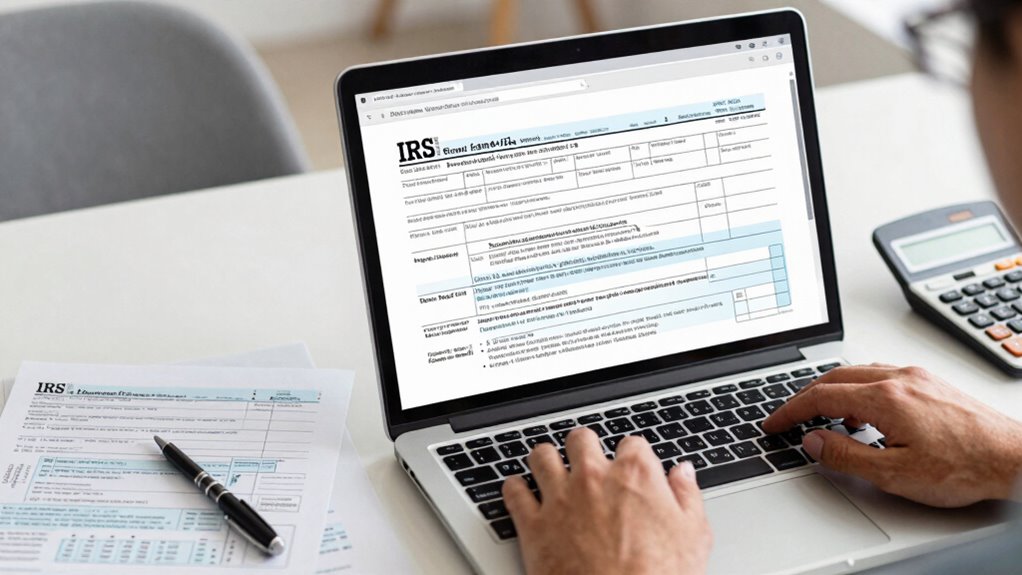
Tax identity theft can happen when someone uses your personal information to file a false tax return or claim your refund. This type of theft often results in tax refund fraud, where a criminal files a fake return to steal your refund before you do. If you suspect you’ve become a victim, it’s important to act quickly. The IRS provides a straightforward way to report this crime using Form 14039, the Identity Theft Affidavit. Filling out this form alerts the IRS to your situation and helps protect your tax account from further misuse.
Report tax identity theft quickly using IRS Form 14039 to protect your refunds and prevent further misuse.
When you submit Form 14039, you’re essentially requesting an investigation into the suspicious activity linked to your social security number or taxpayer identification number. The form is designed to gather essential details about the theft, including your personal information, the nature of the fraud, and any related documents you might have. It also helps initiate the IRS identity verification process, which is *indispensable* in preventing ongoing tax-related crimes. Once the IRS receives your form, they typically flag your account and place a protective hold on your tax records to prevent further fraudulent filings. Being proactive with identity protection measures can significantly reduce your risk of future theft. Additionally, understanding how digital tools can assist in monitoring your financial activity can provide an extra layer of security.
Reporting tax identity theft with Form 14039 is a *crucial* first step, but you should also be prepared for additional steps in the process. The IRS might contact you to verify your identity further, often through interviews or additional documentation. During this process, it’s *imperative* to cooperate fully and provide any requested information promptly. This helps speed up the resolution and minimizes the chances of ongoing tax refund fraud. Be aware that the IRS may also issue a notice if they detect suspicious activity on your tax account, and responding quickly can help resolve issues faster.
You should also keep an eye on your credit reports and bank statements for any signs of unauthorized activity. If you notice any suspicious transactions, report them immediately. In addition, you can help prevent future fraud by using strong, unique passwords for your online IRS account and other financial accounts. Protecting your personal information is a *key* part of defending against tax-related identity theft. Staying informed about tax-related security practices can further bolster your defenses against this type of fraud. Additionally, understanding how cybersecurity threats related to personal data can help you take more comprehensive precautions. Taking proactive steps to secure your data is essential in maintaining your financial security.
Reporting with Form 14039 doesn’t only alert the IRS to your situation; it’s also an important step in recovering your identity and deterring future crimes. The process might seem intimidating, but taking prompt action ensures your tax records stay secure and your refunds are protected. Remember, the sooner you report tax refund fraud and submit the IRS identity verification request, the quicker you can regain control and minimize the damage caused by tax identity theft.
As an affiliate, we earn on qualifying purchases.
Frequently Asked Questions
How Long Does It Take to Resolve a Tax Identity Theft Case?
The resolution timeline for tax identity theft varies, but it typically takes several months to fully resolve. Once you report the theft and take identity theft prevention steps, the IRS works to verify your identity and correct any fraudulent filings. Your patience is key, as the process depends on the complexity of the case. Staying proactive helps speed up resolution, but it can still take up to six months or more.
Can I File Form 14039 Online or Only by Mail?
You can file Form 14039 online through the IRS’s Identity Theft page, making the process faster and more convenient. Alternatively, if you prefer, you can mail the form to the designated IRS address. Visualize submitting your report swiftly online, with confirmation received instantly, or carefully preparing and mailing your form to guarantee it reaches the right department. Both methods aim to help you resolve identity theft efficiently.
What Should I Do if I Receive a Suspicious IRS Notice?
If you receive a suspicious IRS notice, act quickly to protect your IRS account security. Contact the IRS directly to verify the notice’s authenticity and report any potential tax identity theft. Be aware that a tax refund delay might occur if your identity has been compromised. Don’t ignore the notice—prompt action helps prevent further issues and guarantees your tax information stays secure.
Will My Credit Score Be Affected by Reporting Tax Identity Theft?
Reporting tax identity theft generally doesn’t directly impact your credit score, but the fraud can cause credit issues if your personal information is used for other crimes. The credit impact might be temporary, and you can work on score recovery by monitoring your credit reports, disputing fraudulent accounts, and placing fraud alerts. Staying proactive helps protect your credit and speeds up your score recovery process after identity theft.
How Can I Prevent Future Tax Identity Theft Incidents?
Like a knight guarding a castle, you must take proactive steps to prevent future tax identity theft. Focus on tax prevention by securely storing sensitive documents, using strong, unique passwords, and enabling two-factor authentication on accounts. Regularly monitor your credit reports and account statements for suspicious activity. Identity protection tools, such as credit freezes or fraud alerts, act as your armor, making it harder for thieves to access your personal information.
Conclusion
By reporting tax identity theft with Form 14039, you’re taking back control from those who aim to steal your financial peace. Think of it as shining a guiding light through the darkness of deceit, illuminating your path to reclaim your security. Remember, every step you take is a shield protecting your future. Stand firm, and let your action be the beacon that leads you out of the shadows into a brighter, safer tomorrow.
Fall Picks
fall essentials
As an affiliate, we earn on qualifying purchases.