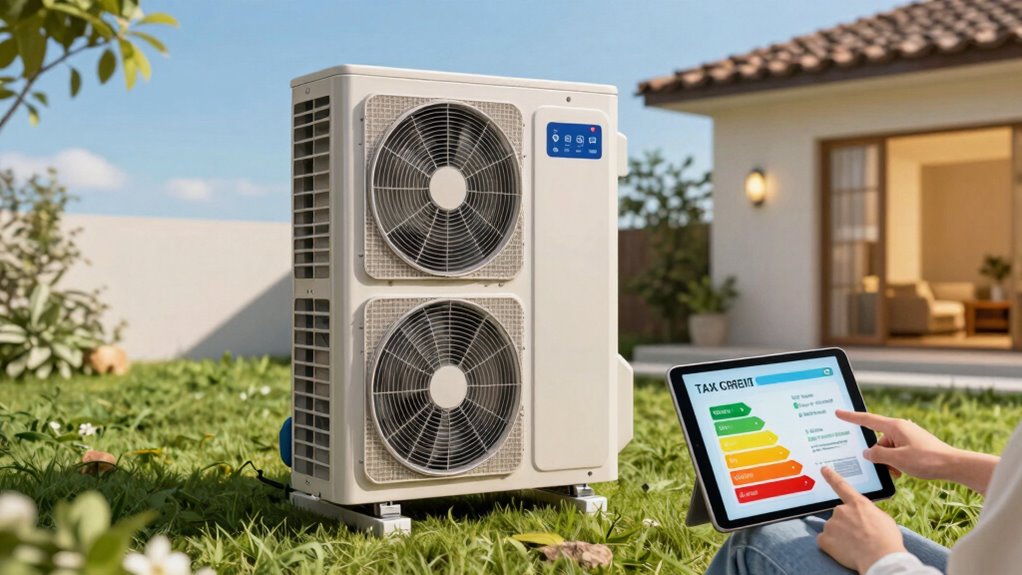
To qualify for the heat pump tax credit, your system must be ENERGY STAR® certified and properly installed according to manufacturer and local codes by a qualified contractor. Keep detailed records like receipts and certification documents, as you’ll need proof when claiming the credit. Confirm your purchase happens within the eligible tax years, and check current guidelines, since rules and deadlines can change. If you want to know how to maximize your savings and ensure compliance, continue exploring these important details.
Key Takeaways
- Only ENERGY STAR® certified heat pumps qualify for the tax credit, ensuring high energy efficiency standards.
- Proper installation by a qualified contractor according to manufacturer and local codes is required for eligibility.
- Keep detailed records, receipts, and certification documents to verify eligibility when filing taxes.
- Tax credits are available for systems installed within specific tax years; check current deadlines.
- Verify that the heat pump meets program standards to maximize savings and ensure compliance.
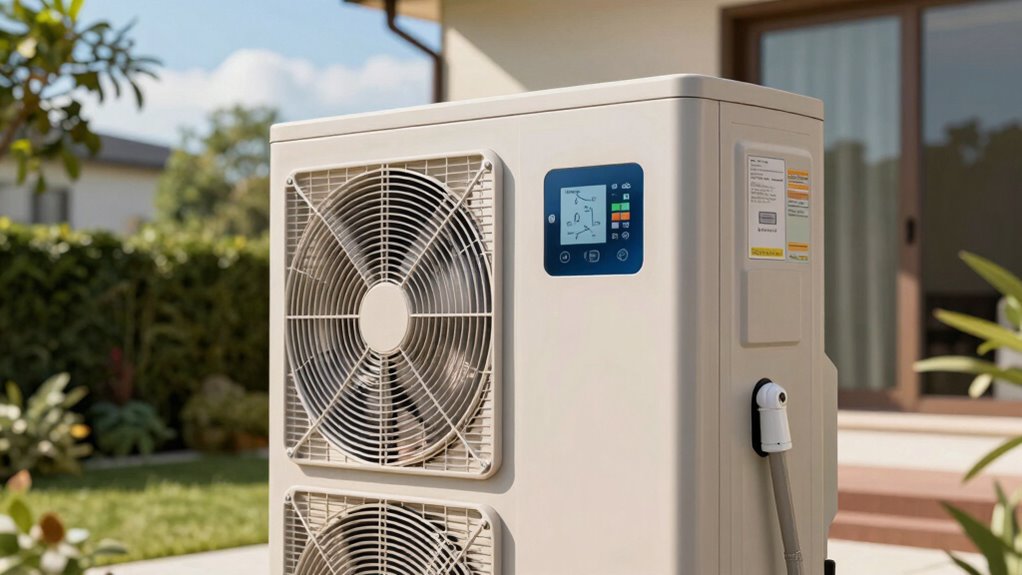
If you’re considering upgrading to a heat pump, understanding the tax credit rules can help you save money. The government offers incentives to encourage energy-efficient home improvements, but you need to be aware of specific eligibility criteria and installation requirements to qualify. First, the eligibility criteria typically focus on the type of heat pump you install. Generally, only ENERGY STAR® certified heat pumps qualify for the tax credit, ensuring you choose models that meet strict energy efficiency standards. Your home’s location, your income level, and the purchase date can also influence your eligibility, so it’s essential to review current guidelines to confirm your situation qualifies.
ENERGY STAR® certified heat pumps and proper installation are key to qualifying for the tax credit.
When it comes to installation requirements, you need to guarantee that the heat pump is installed correctly to claim the credit. This means following manufacturer instructions and adhering to local building codes. Proper installation not only secures your system’s ideal performance but also ensures you meet the IRS’s standards for claiming the tax credit. Typically, the installation must be completed by a qualified contractor who can provide proof of proper setup. Keep detailed records of the installation process, including receipts, contracts, and certification documents, as you’ll need these when filing your taxes. Additionally, verifying that the heat pump is ENERGY STAR® certified can help ensure you meet the necessary standards for eligibility.
The timing of your purchase also plays a role. Tax credits are often limited to systems installed within specific tax years, so double-check the relevant deadlines. If you buy and install a qualifying heat pump during the eligible period, you’re more likely to benefit from the credit. Additionally, some states or local governments may offer supplementary incentives, so it’s worth exploring regional programs that could further reduce your costs.
To maximize your savings, make sure your purchase and installation meet the standards set out by the program. This involves verifying that the heat pump’s specifications match the criteria outlined in the tax credit rules, and that your installer complies with all installation requirements. Remember, the tax credit is usually a percentage of the cost, including the equipment and installation expenses, but only if all conditions are satisfied. Being aware of energy efficiency standards can help you select qualifying models and qualify for the maximum benefit.
As an affiliate, we earn on qualifying purchases.
Frequently Asked Questions
Can I Combine the Heat Pump Tax Credit With Other Home Improvement Incentives?
Yes, you can often combine the heat pump tax credit with other home improvement incentives, but it depends on specific program rules. You’ll want to check if the incentives focus on energy efficiency or environmental impact, as some might have restrictions. Combining these can maximize savings, making your home more sustainable while reducing costs. Always review the terms carefully to verify you’re eligible for multiple benefits without overlapping or disqualifying yourself.
Are There Specific Brands or Models That Qualify for the Tax Credit?
Yes, some brands and models qualify for the tax credit, but you need to check specific eligibility. Look for brand eligibility that meets ENERGY STAR certifications, which often guarantees quality and efficiency. Model specifications also matter; the unit should meet certain efficiency standards, typically indicated by SEER and HSPF ratings. Always verify with the IRS guidelines or consult your installer to confirm the particular brand and model you’re considering qualifies for the credit.
How Long Is the Heat Pump Tax Credit Available?
You have until December 31, 2023, to take advantage of the heat pump tax credit. This incentive encourages energy efficiency and environmental benefits, making your home more sustainable. With climate-conscious upgrades increasing, this deadline emphasizes the importance of acting now. After the deadline, the credit may change or expire, so don’t wait—securing your upgrade sooner maximizes savings and helps reduce your carbon footprint.
Do I Need to Use a Licensed Contractor for Installation?
Yes, you need to use a licensed contractor for installation to meet licensing requirements and guarantee adherence to installation standards. Using a licensed professional guarantees that your heat pump is installed correctly and safely, which is essential for qualifying for the tax credit. Skipping this step could jeopardize your eligibility, so always verify that your contractor has the proper licensing and experience before proceeding with the installation.
What Documentation Is Required to Claim the Tax Credit?
Imagine you installed a new heat pump last year and want the tax credit. You’ll need proof of the installation’s energy efficiency, like manufacturer certification, and tax documentation such as receipts, invoices, or the IRS form 5695. These documents confirm your claim, showing your upgrade qualifies for the credit. Keep all records organized, as they’re essential if the IRS requests verification of your heat pump’s energy efficiency and your tax deduction.
Conclusion
Think of the heat pump tax credit as your key to opening a warmer, greener future. By understanding these rules, you hold the power to turn your home into a beacon of efficiency, shining through the winter’s chill. Embrace this opportunity — it’s not just a credit, but a symbol of your commitment to sustainability. With each step you take, you’re lighting the way toward a more eco-friendly tomorrow.