
As a volunteer, you can deduct mileage driven for charitable activities if you follow IRS rules. Keep detailed records of each trip, including dates, purpose, start/end points, and miles driven. Make sure the organization you volunteer for is a qualified charitable organization. Reimbursements at or below the IRS standard rate aren’t taxable, but anything above may be. Proper documentation helps you maximize deductions and stay compliant, so keep tracking your trips carefully to learn more about how to make the most of your volunteer mileage.

Get smart everyday buys delivered free with Prime
- Fast, free delivery on millions of items
- Prime Video, Amazon Music and more included
- Member-only deals all year
Key Takeaways
- Only miles driven for qualified charitable organizations are deductible; personal errands and commuting are not eligible.
- Keep detailed records of trip dates, purposes, start/end points, and miles to substantiate claims.
- Reimbursements at or below IRS standard rates are non-taxable; excess reimbursements may be taxable.
- Use mileage logs or apps to track charitable trips accurately and maintain receipts for related vehicle expenses.
- Verify that the organization is qualified to ensure mileage deductions are valid and compliant with IRS rules.
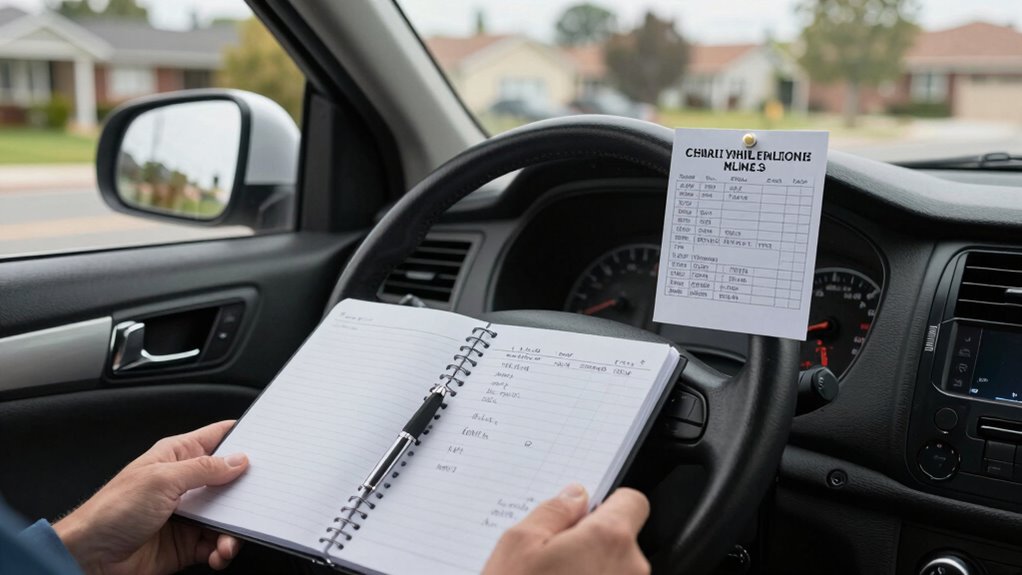
If you’re a volunteer using your vehicle for charitable work, understanding the mileage rules can save you money and guarantee you’re compliant with IRS guidelines. When you use your car to support a qualified organization, you might be eligible for volunteer reimbursement or a mileage deduction. Knowing the specifics helps assure you’re not missing out on potential tax benefits or risking audit issues. The IRS distinguishes between reimbursed mileage and deductible mileage, so it’s essential to keep track of your travel and understand the limits.
Volunteer reimbursement refers to the amount an organization pays you for your mileage driven on their behalf. If the organization reimburses you at or below the IRS standard mileage rate, you typically don’t need to report this as income. However, if they pay you more than the standard rate, the excess might be taxable. Conversely, if you aren’t reimbursed or are reimbursed less than the IRS mileage rate, you can potentially claim a deduction for the difference, provided you keep proper records. The key here is to document your trips thoroughly, including dates, miles driven, and the purpose of each trip. Accurate record-keeping is essential for substantiating your mileage deductions and avoiding potential issues during an audit. Proper documentation can also help you maximize your deductions and ensure compliance with IRS requirements. Additionally, familiarizing yourself with qualified organizations can help ensure your efforts qualify for deductions and reimbursements.
Track and document your charitable trips to maximize deductions and stay compliant with IRS rules.
Mileage deduction limits are set by the IRS annually and are based on a standard rate per mile driven for charitable purposes. These rates are designed to confirm the costs of operating your vehicle, such as fuel, maintenance, and depreciation. For volunteers, the IRS allows you to deduct mileage driven for charitable work without itemizing other vehicle expenses, as long as the trips are directly related to the organization’s charitable activities. Remember, the IRS only permits deductions for miles driven in service of qualified charities, so personal errands or commuting to your regular job don’t count. Additionally, understanding the difference between reimbursement and deduction can help you optimize your tax situation.
It’s critical to maintain detailed records of your charitable driving. Use a mileage log or a reliable app to track your trips, noting the date, purpose, starting point, ending point, and miles driven. This documentation becomes crucial if you’re ever audited, ensuring your deductions are substantiated. Keep receipts for fuel, repairs, or any other vehicle expenses if you plan to claim actual expenses instead of mileage, although the standard mileage rate is often simpler and more straightforward. Proper documentation not only supports your claims but also ensures compliance with IRS requirements.
As an affiliate, we earn on qualifying purchases.
Frequently Asked Questions
Can I Claim Mileage for Volunteer Work Outside My Local Area?
Yes, you can claim mileage for volunteer work outside your local area, but only if you track your mileage accurately. Keep detailed records of your volunteer mileage, including dates and destinations, to guarantee proper volunteer mileage tracking. This documentation helps establish your tax deduction eligibility, as only miles driven for volunteer purposes, not commuting, are deductible. Always verify current IRS guidelines to maximize your deductions and stay compliant.
Are There Specific Record-Keeping Requirements for Charitable Mileage?
Yes, you need to keep detailed records of your charitable mileage. Use mileage tracking tools or logs to record the date, purpose, starting point, ending point, and miles driven for each trip. This documentation helps substantiate your deduction claims and guarantees you stay within deduction limits. Accurate record-keeping is essential to avoid issues if you’re ever audited and to maximize your eligible charitable mileage deductions.
What Qualifies as a Charitable Organization for Mileage Deductions?
Did you know that over 1.3 million nonprofit organizations exist in the U.S.? A charitable organization for mileage deductions is one that’s qualified under IRS rules, such as 501(c)(3) entities. When you volunteer, your mileage can qualify as a tax deduction, helping offset volunteer expenses. Confirm the organization is recognized as charitable, and keep detailed records of your miles driven for the deduction to be valid.
How Do I Differentiate Between Personal and Volunteer Mileage?
To differentiate between personal and volunteer mileage, track each trip carefully. Personal mileage includes your daily commute, while volunteer mileage is for trips related to charitable work. Keep detailed mileage documentation, noting the date, purpose, starting point, and destination. Use a mileage log or app to record these details consistently. This documentation guarantees you can accurately claim volunteer mileage deductions and avoid mixing personal trips with volunteer activities.
Are There Limits on How Much Mileage I Can Claim Annually?
Yes, there are limits on your annual mileage deduction for volunteering. Generally, you can claim a tax deduction for mileage driven in service of a charitable organization, but the IRS caps this at a certain rate per mile, and your total deduction can’t exceed the value of your volunteer hours. Mileage reimbursement from the charity isn’t taxable, and claiming these deductions can reduce your taxable income effectively.
Conclusion
By understanding the charitable mileage rules, you can confidently claim your volunteer-related driving expenses without worry. Some might think it’s too complicated or not worth the effort, but keeping accurate records makes it straightforward. Remember, volunteering not only benefits others but can also provide valuable tax deductions. So, don’t overlook these opportunities—your efforts and miles can make a meaningful difference, both for the causes you love and your tax return.
Halloween Picks
halloween
As an affiliate, we earn on qualifying purchases.