

As a freelancer, you can write off your software subscriptions that are directly related to your work, helping lower your taxable income. Be sure to keep all receipts, invoices, and proof of payment to support your deductions. Only deduct software used exclusively for business, or allocate costs if it’s shared with personal use. Staying organized and understanding IRS rules will guarantee you maximize your deductions and stay compliant—continue to explore more tips to make this process easier.
Key Takeaways
- Deduct only software directly used for your freelance work to ensure compliance with IRS rules.
- Keep detailed records of all software purchases, invoices, and receipts for proof during audits.
- Categorize software expenses as business-related, and allocate costs if used for personal purposes.
- Regularly review software subscriptions to confirm they are relevant and necessary for your business.
- Maintain organized documentation to maximize deductions and simplify tax filing.
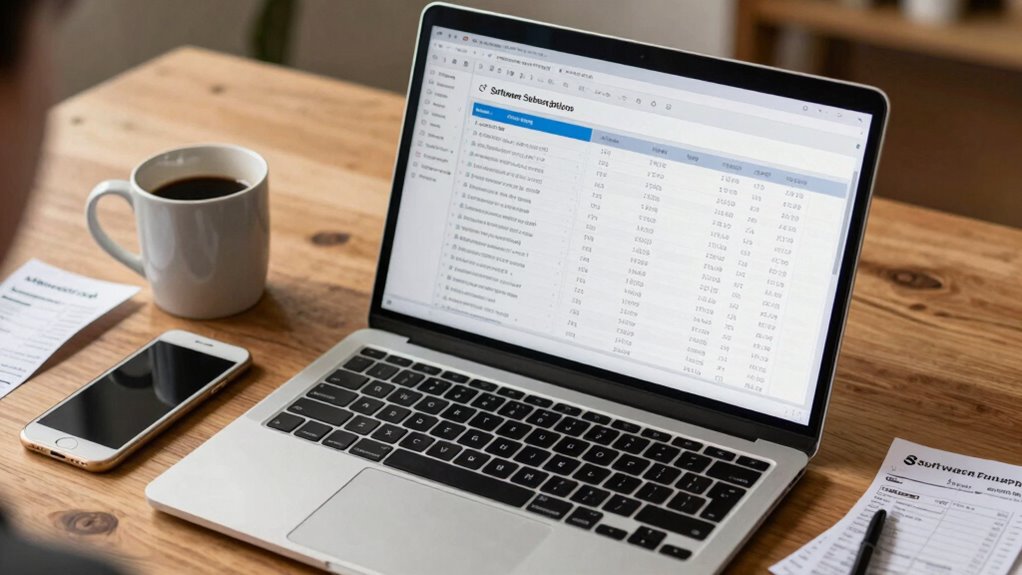
Are you aware that as a freelancer, you can potentially reduce your taxable income by writing off software subscriptions? If you use specific programs to manage your business, such as accounting software, design tools, or project management platforms, these expenses can qualify as tax deductions. Claiming these costs correctly not only lowers your tax bill but also helps you keep better track of your expenses throughout the year. When you incorporate software subscriptions into your expense tracking, you get a clearer picture of your business finances, making it easier to budget and plan for growth.
To maximize your tax deduction, you need to keep detailed records of all your software expenses. Save receipts, invoices, and confirmation emails to substantiate your claims during tax season. Many freelancers overlook the importance of proper expense tracking, which can lead to missed deductions or issues with the IRS if you’re ever audited. By documenting every software purchase or subscription renewal, you guarantee that you’re prepared to justify these expenses and claim the full benefit you’re entitled to. Additionally, understanding tax deduction rules can help you stay compliant and make informed decisions about your expenses. Proper expense tracking also aids in financial management, helping you identify where your money is going and how to optimize your spending. Regularly reviewing your expenses can also help you stay aware of software costs, preventing overspending on unnecessary subscriptions. Keeping a consistent process for categorizing these expenses can also simplify the process when it’s time to file taxes and avoid potential mistakes that could lead to audits or penalties.
Keep detailed records of software expenses to maximize deductions and stay prepared for tax season or audits.
When considering which software subscriptions to write off, focus on those that are directly related to your freelance work. For example, if you’re a graphic designer, Adobe Creative Cloud is a vital expense. If you’re a writer, a subscription to a grammar or editing tool might be necessary. For digital marketers, tools for SEO analysis or email marketing are valid deductions. Remember, the IRS generally allows deductions for software that’s used exclusively for your business. If you use the same software for personal and business purposes, you’ll need to allocate the costs accordingly.
In addition to saving money on taxes, writing off software subscriptions encourages disciplined expense tracking. When you regularly record your expenses, you gain better insight into your spending habits and identify areas where you might cut costs. This habit can lead to improved financial management and more informed decision-making. Just be sure to categorize your software expenses properly—separating business-related subscriptions from personal ones—so that your deduction claims are accurate and compliant. Proper documentation and understanding tax regulations are essential for a smooth claiming process.
Ultimately, taking advantage of software subscription deductions helps you run your freelance business more efficiently. It reduces your taxable income and provides a clearer financial picture. Make it a routine to review your subscriptions and expenses periodically, and stay organized with your documentation. Doing so ensures you’re maximizing your deductions while maintaining compliance with tax regulations, giving you peace of mind and more control over your freelance finances.
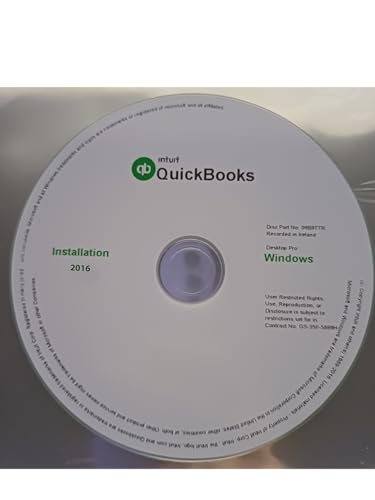
QUlCKBOOKS Pro Desktop 2016 (1CPU) for Win:11/10/8/7
- License Type: New disc and used license
- Installation: Uninstalled and ready for new user
- Ease of Use: User-friendly with tutorials
As an affiliate, we earn on qualifying purchases.
As an affiliate, we earn on qualifying purchases.
Frequently Asked Questions
Can I Write off Subscriptions Purchased Outside My Country?
Yes, you can write off subscriptions purchased outside your country, but you must guarantee international tax compliance. Keep detailed records of cross border expenses to support your deductions. Check if your local tax authority allows deductions for foreign software subscriptions, and be aware of any tax treaties that might affect your ability to claim these expenses. Proper documentation and understanding of international tax rules help maximize your deductions legally.
Are Personal Software Subscriptions Deductible as a Freelancer?
Yes, your personal software subscriptions can be deductible if you use them for work. You can claim expenses like software upgrades that improve your productivity or subscription bundling costs if they’re necessary for your freelancing. Keep detailed records showing how much of the subscription is used for work and guarantee the expenses are directly related to your business. This helps maximize your deductions and stay compliant with tax rules.
How Do I Track Software Expenses Throughout the Year?
You should use a dedicated system for subscription management to track your software expenses throughout the year. Regularly categorize each subscription as a business expense, making it easier during tax season. Keep digital receipts and update your expense records monthly. Using accounting software or spreadsheets helps guarantee accurate expense categorization, so you won’t miss any deductions. Stay organized by reviewing your subscriptions periodically and adjusting your records accordingly.
What Documentation Is Needed to Claim These Deductions?
To claim software subscription deductions, you need solid record keeping. Keep receipts, invoices, and bank statements that show your expenses. These documents serve as proof during a tax audit and help substantiate your deduction claims. It’s also wise to maintain a detailed expense log. Having organized records guarantees you can confidently support your deductions, reducing stress if the tax authorities ask for clarification.
Can I Write off Software Subscriptions for Multiple Clients?
Yes, you can write off software subscriptions for multiple clients, but you need to keep clear records. Use software licensing and subscription management tools to track which subscriptions benefit each client. Guarantee to allocate expenses accurately, and retain receipts or invoices. Proper documentation ensures you can justify your deductions if audited. Remember, only the portion of the subscription used for your freelance work is deductible.
Conclusion
Remember, every software subscription you write off isn’t just a tax break—it’s a reminder that your growth often hinges on the tools you choose. Sometimes, the right software feels like a coincidence, opening doors you never expected. Embrace those moments, because they’re part of your journey. When you see your expenses align perfectly with your freelance goals, it’s less about luck and more about smart choices. Keep leveraging those connections—they’re your secret advantage.