
TL;DR

Get smart everyday buys delivered free — and shop member deals
- Fast, free delivery on millions of items
- Access to Prime Big Deal Days deals on October 6–7
- Prime Video, Amazon Music and more included
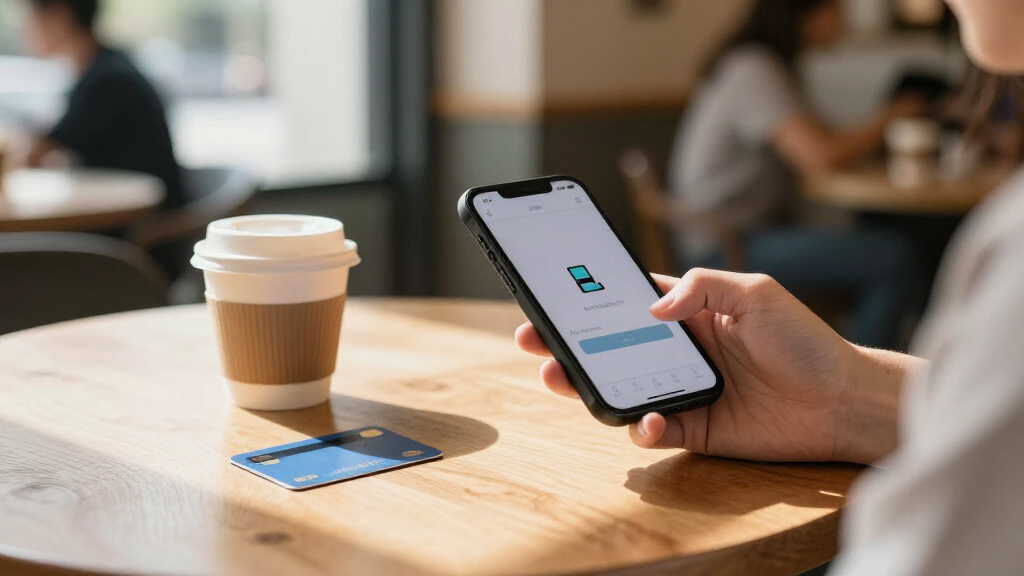
Federal Reserve Governor Christopher J. Waller said AI could improve cross-border payment screening and routing, while AI agents may eventually shop and pay for consumers. He described agentic commerce as being in an early phase and said delegated purchases need stronger trust mechanisms and guardrails.
Federal Reserve Governor Christopher J. Waller said artificial intelligence could help strengthen cross-border payment security and enable software agents to make purchases for consumers, while warning that autonomous transactions will require trust mechanisms and guardrails. In a speech at Sibos 2026 in Miami on September 29, he described agentic commerce as an emerging, early-stage development rather than an established way of shopping.
Waller said large language models could improve sanctions screening and anti-money-laundering systems by adding context to assessments of transactions. He cited research indicating that these systems can reduce false-positive alerts, allowing staff to focus on higher-risk cases and potentially reducing delays for legitimate payments. He said AI should augment faster, traditional anomaly-detection methods rather than replace them.
AI could also support the complex decisions involved in cross-border transfers, including choosing routes that balance cost, speed and reliability, and managing currency conversion and liquidity. Waller said agents could help optimize those tasks if given suitable data and criteria. These are potential uses; the speech did not present measured results from a specific payment system deployment.
Waller described two forms of agentic commerce. In an agent-assisted model, an AI tool helps find products while the consumer makes the decisions and pays. In an agent-delegated model, the consumer authorizes an agent to shop and pay within limits. One example he gave was a grocery-shopping agent using a pre-funded virtual card and a consumer’s past purchases. He said consumer-to-business purchases are expected to be the first wave, with assisted uses preceding more autonomous delegated ones.
Autonomous Shopping Raises Payment Stakes
If agentic commerce grows, payment systems will need to handle transactions initiated by software acting under a person’s authority, not only purchases made directly by people. That shift makes it necessary to define how consumers grant and withdraw permissions, how spending limits are enforced, and how a mistaken or unauthorized purchase can be challenged.
Waller also pointed to a security trade-off. AI may help defenders identify threats and vulnerabilities, but it may also support more sophisticated attacks. A successful intrusion into interconnected payment infrastructure could disrupt commerce across borders. For consumers and businesses, the practical question is whether new automation can reduce friction without weakening security, accountability or control.
AI-powered cross-border payment security tools
As an affiliate, we earn on qualifying purchases.
As an affiliate, we earn on qualifying purchases.
From Fraud Screening to AI Agents
Waller placed the new discussion within a longer history of AI use in payments. He said the industry has applied machine learning to payment fraud and adopted large language models for tasks such as reconciliation. The current development is a move toward agents that can plan and carry out multistep processes, potentially including transactions.
Earlier in the summer, Waller hosted a Federal Reserve industry roundtable on agentic commerce. He said market participants broadly agreed the field remains at an early stage, even as it could reshape commerce and payments if adoption expands. His Sibos speech connected that emerging retail use to broader payment issues, including cross-border screening, cybersecurity and routing.
“I expect LLMs to augment, rather than replace, faster, more traditional anomaly detection methods.”
— Christopher J. Waller, Federal Reserve governor
Adoption and Safeguards Remain Open
The speech did not specify when delegated shopping might become common, how quickly consumers will adopt it, or which technical and institutional standards will govern it. Waller said the model brings greater risk of unintended purchases and requires more extensive guardrails, but he did not set out a particular standard or implementation timetable.
The potential performance gains in cross-border screening and routing also remain dependent on deployment details, including data quality and the criteria used by systems. The speech cited research on false-positive reductions but did not provide a specific figure or baseline. It also did not identify particular payment providers or systems already achieving the proposed gains.
Trust Rules Will Shape Deployment
The next developments will depend on how payment firms, merchants and AI providers build controls around agents that can access shopping information and payment credentials. Relevant questions include how users set spending limits, verify a purchase, revoke an agent’s authority and resolve disputes. Waller’s speech did not announce a new Federal Reserve rule or program.
For cross-border payments, providers will need to test AI tools against existing screening, routing and cybersecurity systems and determine where human review remains necessary. The immediate signal from Waller’s remarks is that the industry is exploring these uses, while the pace and safeguards for wider adoption remain unsettled.
Key Questions
What did Waller say AI could do for cross-border payments?
He said AI could help screen transactions for illicit finance, optimize payment routes and support currency-conversion and liquidity decisions. These were described as potential benefits, not confirmed results across the industry.
What is the difference between agent-assisted and agent-delegated shopping?
With agent-assisted shopping, the AI helps a consumer search but the consumer chooses and pays. With agent-delegated shopping, the consumer authorizes the agent to make purchases within specified limits.
Why does delegated commerce need additional safeguards?
An agent that can pay autonomously may make an unintended purchase or act outside a consumer’s expectations. Waller said the delegated model needs more extensive trust mechanisms and guardrails, but did not specify a common standard.
Did Waller announce a new Federal Reserve policy?
No. The source is a speech outlining possible uses, risks and open questions. It does not announce a new Federal Reserve rule, program or implementation deadline.
Source: primary
Fall Picks
fall essentials
As an affiliate, we earn on qualifying purchases.