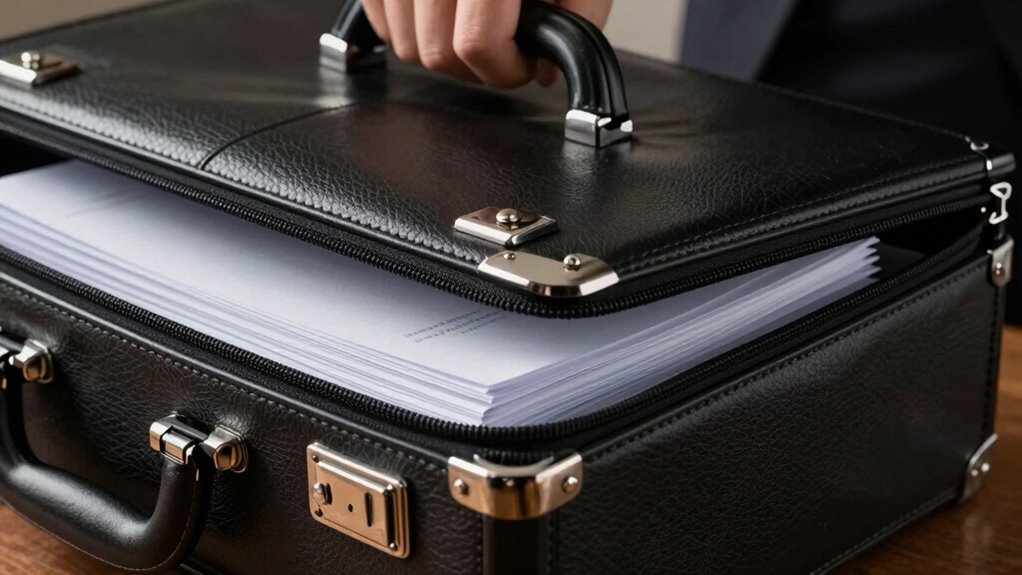

To transport sensitive paperwork safely, you should encrypt digital copies and use tamper-evident packaging for physical documents. Choose reliable courier services that offer tracking, guaranteed delivery, and witness signatures, and clearly communicate your security needs. Minimize the number of copies you send and avoid labeling packages with sensitive details. Keep detailed records and verify package integrity upon arrival. Following these steps helps protect your information; for more tips, continue exploring essential security practices.

Get smart everyday buys delivered free with Prime
- Fast, free delivery on millions of items
- Prime Video, Amazon Music and more included
- Member-only deals all year
Key Takeaways
- Use tamper-evident packaging and secure containers to prevent unauthorized access during transit.
- Choose reputable courier services with tracking, guaranteed delivery, and signature requirements.
- Encrypt digital copies and avoid labeling packages with sensitive content indicators.
- Keep detailed shipment records and verify package integrity immediately upon arrival.
- Send documents when a trusted individual is available to receive them directly.
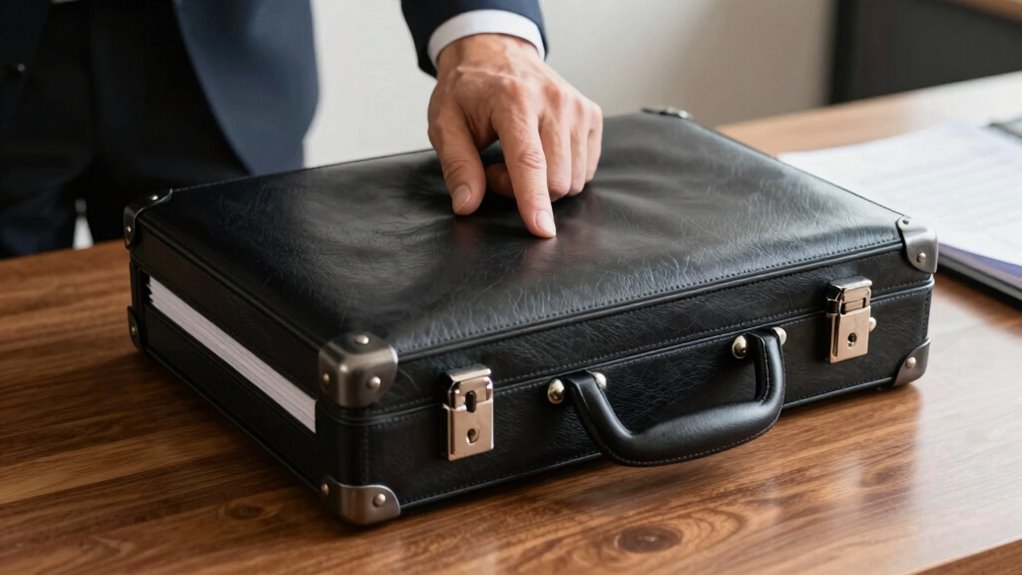
Have you ever worried about your sensitive paperwork falling into the wrong hands during transportation? If so, you’re not alone. Protecting confidential documents is essential, especially when they contain personal or business-critical information. One of the most effective ways to safeguard your paperwork is through document encryption. Before you even pack your papers, consider encrypting digital copies of your documents. This way, even if someone intercepts the files, they won’t be able to access the content without the decryption key. For physical documents, while encryption isn’t applicable, you can still take steps to secure the contents by using tamper-evident packaging or secure containers that can be sealed properly. Additionally, understanding security protocols can help you choose the most reliable methods for transportation. Implementing proper handling procedures can further reduce the risk of accidental exposure or mishandling during transit. To enhance security, always stay informed about the latest security standards relevant to document transportation. Choosing secure delivery methods is equally important. Relying on standard postal services might seem convenient, but it leaves your documents vulnerable to theft or loss. Instead, opt for courier services that specialize in secure deliveries. These providers often offer tracking, guaranteed delivery, and witness signatures upon receipt, which markedly reduces the risk of your paperwork going astray or being tampered with. When arranging for delivery, communicate your need for security explicitly, and verify that the courier has protocols in place to handle sensitive items carefully.
Additionally, you should prepare your documents for transport by minimizing the number of copies you send. Send only what’s necessary to reduce potential exposure. If possible, transmit digital copies through encrypted channels and keep physical documents to a minimum. When packing, avoid labeling the package with any indication that it contains sensitive documents. Use plain, unmarked packaging to prevent drawing unwanted attention.
It’s also wise to keep a detailed record of your shipment. Save tracking numbers, receipts, and any correspondence related to the delivery. This information can be invaluable if you need to track down a lost package or prove that you’ve sent the documents securely. When the package arrives, verify its integrity immediately. If you notice any signs of tampering, report it to the courier service right away and take appropriate steps to secure your information.
Finally, consider timing and location. Send your documents when you or someone you trust is available to receive them directly. Avoid leaving sensitive paperwork unattended or in insecure locations. By combining document encryption, choosing secure delivery methods, and following these best practices, you can greatly reduce the risks associated with transporting sensitive paperwork and guarantee your information stays protected from start to finish.
Products Worth Considering

Dell 34-Inch S3425DW Curved WQHD USB-C Monitor

Logitech MX Master 4 for Mac, Ergonomic Bluetooth Mouse with Haptic Feedback, Ultra-Fast Scrolling, USB-C Charging, for MacOS, iPadOS, Windo

Dell UltraSharp 32 U3226QER 4K Thunderbolt Hub Monitor
As an affiliate, we earn on qualifying purchases.
Frequently Asked Questions
What Types of Documents Are Considered Most Sensitive?
You should consider documents like financial records, legal papers, medical reports, and personal identification as the most sensitive. To protect them, use document encryption when storing digital files and opt for secure storage options like locked safes or encrypted drives. When transporting, make sure they’re in tamper-proof containers. These precautions help prevent unauthorized access and keep your sensitive information safe during transit.
How Do I Handle Customs for International Document Transport?
When handling customs for international document transport, you should prepare digital backups and keep the originals in secure storage. Notify customs authorities about the sensitive nature of your documents, and consider using specialized courier services with tracking and insurance. Properly label packages as confidential, and verify all paperwork is complete and clearly marked. This approach minimizes risks and guarantees your documents arrive safely, maintaining confidentiality throughout the customs process.
What Insurance Options Are Available for High-Value Paperwork?
You should explore specialized insurance options that protect high-value paperwork, but don’t overlook the critical role of document encryption and secure storage. These safeguards act as your first line of defense, reducing potential risks. Think of insurance as a safety net, while encryption and secure storage keep your documents protected even if the worst happens. Combining these measures guarantees your paperwork remains safe, secure, and fully covered against any unforeseen mishaps.
Are There Specific Legal Requirements for Transporting Sensitive Documents?
Yes, there are legal requirements for transporting sensitive documents. You must guarantee proper document encryption to protect information from unauthorized access and use secure packaging to prevent damage or theft. Additionally, comply with regulations like HIPAA or GDPR, depending on your jurisdiction and document type. Always verify specific laws related to your documents, and consider consulting legal experts to ensure full compliance during transportation.
How Can I Verify the Security of Courier Services?
You can verify the security of courier services by checking their courier tracking features, which let you monitor your shipment in real-time. Make certain they use secure packaging that safeguards your documents from tampering or damage. Look for reviews or certifications that highlight their reliability and security measures. Contact the courier directly to ask about their security protocols and confirm they meet your confidentiality needs before trusting them with sensitive paperwork.
Conclusion
Transporting sensitive paperwork safely is vital to prevent data breaches and identity theft. Always use secure containers, keep documents close, and avoid public transportation when possible. Did you know that 60% of data breaches involve physical documents? By taking these simple precautions, you greatly reduce the risk of sensitive information falling into the wrong hands. Protecting your paperwork isn’t just smart—it’s essential for maintaining your privacy and security.