

Bonus depreciation lets you immediately deduct up to 100% of both new and used equipment costs, offering you quick tax relief. Section 179 also allows full deductions but is more selective, limiting the types of equipment and the deduction amount each year. You gain control over which assets to expense with Section 179, while bonus depreciation applies automatically. To make the best choice for your business, explore how each method fits your equipment needs and long-term goals.
Key Takeaways
- Bonus depreciation allows for automatic, large upfront deductions on both new and used equipment, often up to 100%.
- Section 179 offers more control, enabling businesses to select specific assets for immediate expensing within annual limits.
- Bonus depreciation applies broadly, including used equipment, while Section 179 has stricter eligibility criteria.
- Bonus depreciation simplifies the process but may reduce flexibility in spreading deductions over multiple years.
- Consulting a tax professional ensures optimal use of both methods based on business needs and future tax strategies.

When it comes to purchasing business equipment, understanding the differences between bonus depreciation and Section 179 can help you maximize your tax benefits. Both methods allow you to deduct the cost of equipment upfront, but they differ considerably in their tax implications and equipment eligibility. Knowing which to use depends on your business’s financial situation, the types of equipment you’re buying, and your long-term tax planning.
Bonus depreciation lets you deduct a large percentage of your equipment costs in the year you acquire the asset, often up to 100%. It’s especially useful if you need to accelerate your deductions, as you don’t have to limit your deductions to a specific dollar amount like with Section 179. Bonus depreciation is generally available for new and used equipment, provided it meets certain criteria, making it more flexible in terms of equipment eligibility. It also applies automatically if you don’t elect out of it, which simplifies the process for business owners. However, unlike Section 179, bonus depreciation is subject to phase-out rules after a certain period and may be less advantageous if you want to spread deductions over multiple years. Additionally, bonus depreciation often applies to a broader range of assets, including used equipment, which can be a significant advantage for some businesses. Understanding the tax code and how these depreciation methods work can further optimize your decision-making process. Consulting with a tax professional can also help clarify how each option might impact your overall tax strategy. Moreover, selecting the right depreciation method can influence your cash flow and financial planning for future investments.
Bonus depreciation allows large upfront deductions for new and used equipment, simplifying tax benefits but with phased-out limits.
Section 179, on the other hand, allows you to deduct the full cost of qualifying equipment up to a specified limit in the year of purchase. It provides greater control, as you can choose which assets to expense and which to depreciate over time. This method is particularly advantageous if your business has a profitable year and you want to maximize deductions immediately without risking future tax liabilities. Equipment eligibility for Section 179 is more restrictive; it generally applies to tangible personal property used in your business, including machinery, vehicles, and some software, but excludes real estate and land improvements. Additionally, the deduction limit is set annually, so it can vary depending on current tax laws. Asset eligibility is an important consideration when deciding between these two options, as not all equipment will qualify under Section 179. Carefully assessing your equipment needs and financial situation can help determine the most beneficial approach.
In terms of tax implications, both options reduce your taxable income in the year of purchase, but their strategic use can differ. Bonus depreciation can lead to larger upfront deductions, which might be beneficial if your business needs immediate tax relief. Conversely, Section 179 offers more flexibility and control, allowing you to tailor deductions to your current financial strategy. Overall, your choice depends on your equipment’s eligibility, your current profitability, and your future tax outlook. Consulting with a tax professional can help you determine which method maximizes your benefits while aligning with your business goals. Understanding the long-term tax planning implications of each method is essential for sustaining business growth.
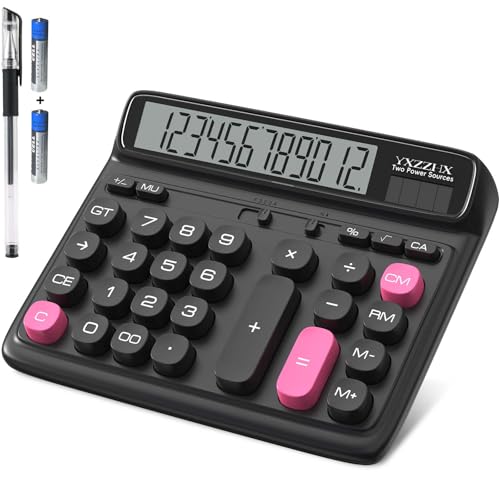
Desktop Calculator with Extra Large 5-Inch LCD Display, 12-Digit Two Way Power Solar & Battery Office Calculator with Big Buttons for Business, Accounting & Home Use(Black)
Two-way Power Desk Calculator: Use solar power or battery power,In the case of sunlight or light, it can…
As an affiliate, we earn on qualifying purchases.
As an affiliate, we earn on qualifying purchases.
Frequently Asked Questions
Can Both Bonus Depreciation and Section 179 Be Used on the Same Equipment?
Yes, you can use both bonus depreciation and Section 179 on the same equipment, but with conditions. Equipment eligibility is key, as some assets qualify for one or both deductions. Typically, you claim Section 179 first, reducing your taxable income upfront, then apply bonus depreciation for additional savings. Keep in mind, deduction timing varies—Section 179 allows immediate deduction, while bonus depreciation can be used for larger asset purchases, optimizing your tax benefits.
Are There Limitations on the Amount of Equipment I Can Deduct?
Imagine your equipment as a garden, with limits like lease restrictions and equipment lifespan shaping what you can harvest. You can deduct up to $1.08 million under Section 179, but this cap decreases dollar-for-dollar after spending $2.7 million. Bonus depreciation lets you write off 100% of eligible equipment, no matter the amount, but you must consider lease restrictions and the equipment’s useful life to maximize your deductions effectively.
How Do Depreciation Recapture Rules Apply to These Deductions?
Depreciation recapture rules apply when you sell or dispose of equipment you’ve claimed deductions on, including bonus depreciation or Section 179. The recapture implications mean you’ll owe taxes on the portion of the depreciation benefit received. For effective tax planning, it’s important to comprehend these rules beforehand, as they can increase your tax liability upon sale. Proper planning helps minimize surprises and ensures you maximize your deductions legally.
Do These Deductions Apply to Used or Only New Equipment?
They say, “Don’t judge a book by its cover,” but when it comes to deductions, you can often claim them on used equipment too. Both bonus depreciation and Section 179 deduction eligibility extend to used equipment, provided it’s new to your business and meets the purchase requirements. So, whether the equipment is fresh off the lot or pre-owned, you might still qualify for significant tax savings.
What Impact Do These Deductions Have on My Overall Tax Liability?
These deductions can considerably reduce your overall tax liability, leading to substantial tax savings. By leveraging deduction strategies like Bonus Depreciation and Section 179, you can write off a large portion of your equipment costs upfront. This means you’ll pay less in taxes for the year, freeing up cash flow for other business needs. Proper use of these deductions helps maximize your tax benefits and improves your financial position.
Section 179 qualifying equipment
As an affiliate, we earn on qualifying purchases.
As an affiliate, we earn on qualifying purchases.
Conclusion
So, there you have it—your shiny new toy or trusty old workhorse, whichever you choose, will help you save a bundle. Just remember, while bonus depreciation might give you an immediate thrill, Section 179 keeps you in control, like a cautious driver. Either way, you’re winning—until the tax bill comes, then it’s all fun and games until Uncle Sam shows up. Happy equipment shopping—your wallet’s future self will thank you.

THE LLC TAX PLAYBOOK: What Your Formation Guide Left Out About S-Corp Elections, Retirement Plans, and Saving Thousands in Taxes
As an affiliate, we earn on qualifying purchases.
As an affiliate, we earn on qualifying purchases.

The Only Book You’ll Ever Need On Small Business Taxes: Tax Secrets, Legal Loopholes, & Deductions to Save You Money (Plus Bookkeeping & Accounting for Beginners)
As an affiliate, we earn on qualifying purchases.
As an affiliate, we earn on qualifying purchases.