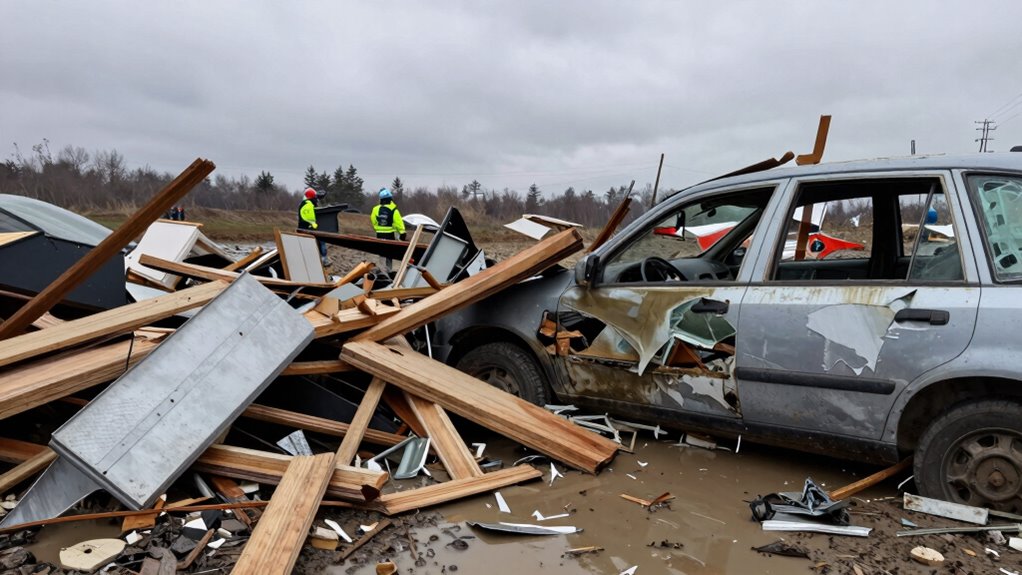

After a federally declared disaster, you can claim a casualty loss deduction if your damage is sudden and unexpected. You’ll need to accurately document the damage with photos and records, and determine your property’s pre-disaster value. Insurance reimbursements are subtracted from this value to calculate your deductible loss. Keep in mind, losses over 10% of your adjusted gross income may be deductible. Continuing further, you’ll find detailed steps to maximize your claim and understand the rules better.

Get smart everyday buys delivered free with Prime
- Fast, free delivery on millions of items
- Prime Video, Amazon Music and more included
- Member-only deals all year
Key Takeaways
- Casualty losses must result from a federally declared disaster to qualify for deduction.
- The deductible amount equals property value before disaster minus insurance reimbursements.
- Losses must be sudden, unexpected, and caused by specific events like fire, storm, or vandalism.
- Itemized deductions are required, and proper documentation is essential for claiming the loss.
- Timing of the claim affects tax benefits; losses are deductible in the year they are documented and filed.
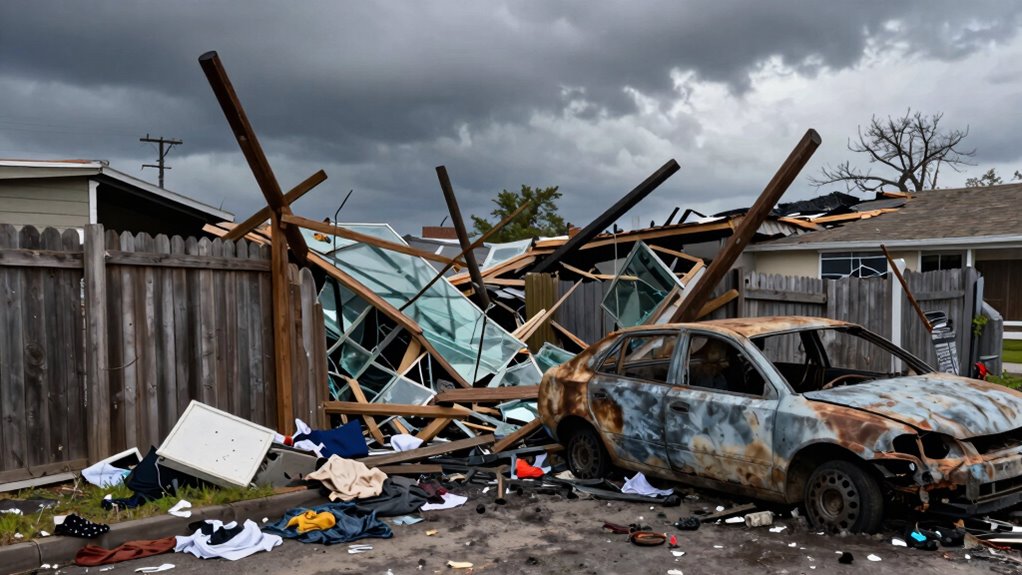
When a disaster strikes, understanding the casualty loss rules can help you navigate your insurance claims and tax deductions more effectively. If you experience damage to your property, it’s vital to understand how the loss impacts your insurance claims and how to properly assess property valuation for tax purposes. Insurance companies typically evaluate your losses based on the current market value of your property before and after the disaster. This means you need an accurate property valuation to determine the extent of your loss. Proper valuation ensures you claim the correct amount and avoid under- or overestimating your damage, which could complicate your insurance settlement or tax deductions.
When dealing with insurance claims, you should document everything thoroughly. Take detailed photos, videos, and keep records of repairs and expenditures related to restoring your property. These documents support your claim and help insurance adjusters understand the extent of damage. Remember, your insurance payout might not cover the full amount of your loss, especially if your policy has deductibles or coverage limits. The difference between your pre-disaster property value and the post-disaster value, minus any insurance reimbursements, often determines your casualty loss deduction for tax purposes. That’s why an accurate property valuation is essential—it forms the foundation for calculating your deductible loss. Understanding property valuation processes is also important to ensure your assessments are fair and accurate. Additionally, knowing how to document losses effectively can streamline your claim process and prevent disputes.
The IRS allows you to deduct casualty losses that are the result of a federally declared disaster. To qualify, your loss must be sudden, unexpected, and damaging, such as from a fire, storm, or vandalism. When calculating your deductible loss, you subtract any insurance reimbursements from the fair market value of your property before the disaster. If your loss exceeds a certain threshold—currently, 10% of your adjusted gross income—you can deduct the remaining amount on your tax return. Keep in mind, you must itemize deductions, and the IRS provides specific forms for reporting these losses. Additionally, understanding the timing of your loss can help you decide whether to claim it in the year it occurred or later, potentially optimizing your tax benefits. Overall, understanding casualty loss rules empowers you to better manage your insurance claims and property valuation, ultimately helping you recover financially from a devastating event.
digital camera for documenting property damage
As an affiliate, we earn on qualifying purchases.
As an affiliate, we earn on qualifying purchases.
Frequently Asked Questions
Can I Claim Casualty Losses for Damage Caused Before the Disaster Declaration?
You generally can’t claim casualty losses for damage caused before the disaster declaration. Pre-disaster repairs don’t qualify as casualty losses, and insurance claim offsets for prior damage aren’t deductible. If you made repairs before the disaster, they won’t reduce your loss calculation afterward. Focus on damages incurred after the declaration date, as only those are eligible for casualty loss deductions, provided they meet IRS guidelines.
How Does Insurance Reimbursement Affect Casualty Loss Deductions?
Insurance reimbursement reduces your casualty loss deduction because you can’t claim the amount covered by your insurance. You’ll need to subtract any insurance payouts from your total loss to determine your deductible casualty loss. Remember, only losses exceeding the IRS’s deductible thresholds qualify for deduction. This means if your reimbursement covers most of the damage, your deductible amount shrinks, impacting your overall tax benefit.
Are Personal Property Losses Treated Differently From Real Property Losses?
Imagine your home burns down and you lose both personal property and real property. Personal property losses, like furniture, are treated differently from real property losses, such as your house. You can deduct personal property losses up to certain limits, while real property losses are usually deductible based on the adjusted basis and may involve additional rules. So, yes, personal property losses are treated differently from real property losses in casualty claims.
What Documentation Is Needed to Substantiate Casualty Loss Claims?
To substantiate your casualty loss claim, you need thorough claim documentation and proper loss substantiation. Keep detailed records, including photos of the damage, receipts, repair estimates, and insurance correspondence. Document the property’s condition before the disaster, and note the date and cause of the loss. This evidence helps support your claim and guarantees the IRS can verify your loss amount, making the process smoother and more accurate.
Can Casualty Losses Be Carried Forward to Future Tax Years?
Yes, casualty losses can be carried forward to future tax years if your loss exceeds the current year’s deduction limit. You can claim a tax deduction for the loss, but only up to the applicable limit, and any remaining loss can be carried forward. When doing the loss calculation, you’ll need to take into account the adjusted basis of your property and any insurance reimbursements, ensuring you maximize your potential benefit over multiple years.
Conclusion
As you navigate the aftermath of a federally declared disaster, it’s no coincidence that understanding casualty loss rules can make a real difference in your recovery process. By staying informed and applying these rules correctly, you might unexpectedly find relief when you need it most. Remember, sometimes it’s the smallest details—like documentation or timing—that can turn coincidence into a helpful advantage, easing your path toward financial recovery amidst the chaos.
Halloween Picks
halloween
As an affiliate, we earn on qualifying purchases.