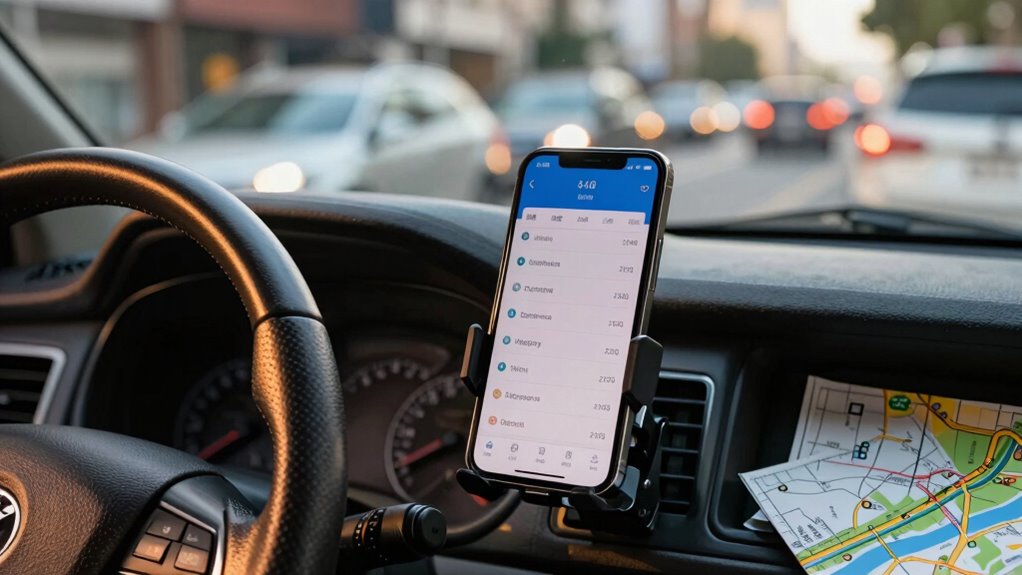

As a gig driver, you can choose between using mileage or actual expenses for your tax deductions. The mileage method is simpler, requiring you to log business miles and claim a standard rate, while actual expenses involve tracking all vehicle-related costs like fuel, repairs, and insurance. Your choice depends on your driving habits and vehicle costs. To find out which method could save you more, keep exploring the options and details here.
Key Takeaways
- Mileage method is simpler and requires less documentation, ideal for drivers with straightforward driving patterns.
- Actual expenses may provide higher deductions for drivers with high vehicle costs, maintenance, or depreciation.
- Consider fuel efficiency and insurance premiums to determine which method maximizes tax savings.
- Accurate record-keeping of miles and receipts is essential for IRS compliance regardless of method chosen.
- Evaluate personal driving habits and vehicle expenses to select the most beneficial deduction method.
When it comes to managing your finances as a gig driver, understanding the difference between tracking mileage and recording actual expenses can make a big impact on your tax deductions. Both methods have their advantages, but knowing which one suits your driving habits and vehicle costs can help maximize your savings. Mileage tracking involves recording the miles you drive for work-related purposes, which the IRS allows you to deduct at a standard rate. This method is simple, straightforward, and requires less detailed record-keeping. You just need to log your business miles accurately, and you’re good to go. On the other hand, actual expenses require you to keep detailed records of all your vehicle-related costs, including fuel, maintenance, insurance, repairs, and depreciation. This method can sometimes lead to higher deductions if your expenses are substantial, but it demands meticulous record-keeping.
One key factor to consider when choosing between these methods is your vehicle’s fuel efficiency. If your car gets excellent mileage, tracking actual expenses might be more beneficial because your fuel costs will be relatively low, and your overall deductions may be higher due to other expenses like insurance costs or repairs. Conversely, if your vehicle has poor fuel efficiency, the standard mileage rate could save you time and effort, especially since you’re not tracking every tank refill or repair. Speaking of insurance costs, these are a crucial part of your actual expense calculations. If your insurance premiums are high, deducting actual expenses could be more advantageous because you get to include these costs directly. However, if your insurance costs are moderate and your driving miles are consistent, using the mileage deduction might be simpler and just as effective. Additionally, understanding the record-keeping requirements can help ensure you stay compliant and maximize your deductions.
To further optimize your tax benefits, it’s important to consider how vehicle depreciation impacts your actual expense calculations, especially if you own your vehicle outright or have financed it. Being aware of tax regulations related to vehicle expenses can help you avoid potential pitfalls and ensure you claim all eligible deductions. Also, understanding how vehicle ownership and financing arrangements influence your deductions can be an important aspect of your overall strategy. Choosing the right method also involves evaluating your driving patterns, which can influence the overall benefit you receive from either approach. Ultimately, your choice depends on your driving patterns and vehicle expenses. If you drive a lot for work and have high expenses like insurance costs, recording actual expenses could give you a larger deduction. But if you prefer simplicity or your expenses are relatively low, tracking mileage is often the easier route. Whichever method you choose, keep detailed, organized records throughout the year, including receipts for fuel, maintenance, and insurance, and a reliable mileage log. This way, you can confidently maximize your deductions come tax season, whether you opt for mileage or actual expenses. Understanding these options helps you make smarter financial decisions and keeps more money in your pocket.

Adams AFR10W Mileage Journal – 2 Pack
Sold As 2 Journals
As an affiliate, we earn on qualifying purchases.
As an affiliate, we earn on qualifying purchases.
Frequently Asked Questions
How Do I Track My Mileage Accurately Throughout the Year?
You can track your mileage accurately by using a mileage tracking app or a dedicated logbook, recording every trip from start to finish. Note your fuel efficiency to gauge how much fuel you consume per mile, and update your maintenance schedule regularly to keep your vehicle in top shape. Consistent tracking guarantees you capture all deductible miles, helping you maximize your tax deductions and stay organized throughout the year.
Are There Specific Apps Recommended for Expense Tracking?
Think of expense tracking apps as your trusty co-pilots on the road. Apps like Stride, Everlance, or QuickBooks Self-Employed are great choices—they help you manage fuel, monitor maintenance scheduling, and keep your finances in check. They automatically track mileage, categorize expenses, and even generate reports. With these tools, you’re steering your gig economy journey smoothly, making sure no dollar slips through the cracks.
How Do Insurance Costs Impact My Actual Expenses?
Insurance costs directly impact your actual expenses by adding to your overall driving costs. Higher insurance premiums mean you’ll spend more on coverage, reducing your profit margin. Keep in mind that claim processes can also influence expenses; filing claims might lead to increased premiums or out-of-pocket costs. To manage these expenses, compare insurance plans carefully and understand how claim processes work, ensuring you’re prepared for potential costs and coverage benefits.
What Are the Best Practices for Deducting Vehicle Depreciation?
You should track your vehicle’s depreciation schedule carefully, just as you would monitor vehicle leasing costs. Deduct vehicle depreciation by choosing the appropriate method—straight-line or accelerated—based on your usage. Keep detailed records of your purchase price, date, and any improvements. Regularly update your depreciation schedule to reflect actual wear and tear, ensuring your deductions align with IRS guidelines and maximize your tax benefits.
How Do I Handle Expenses if I Switch Between Multiple Vehicles?
When switching between multiple vehicles, you should track expenses for each one separately, including fuel management and vehicle sharing costs. Keep detailed records of miles driven for work versus personal use, and allocate expenses accordingly. Use a dedicated log or app to monitor each vehicle’s expenses, ensuring accurate deductions. This way, you can maximize your tax benefits and stay organized, even when managing multiple vehicles.

Tracki Pro GPS Tracker for Vehicles, Subscription Required, Cancel Anytime – Track Cars & Assets for Months – Hidden GPS Tracker for Car with 4G LTE, Strong Magnet, Weatherproof Build & Smart Alerts
LONG-BATTERY VEHICLE TRACKING – Built for cars, trailers, fleets, equipment, boats, and motorcycles, Tracki’s trailer GPS tracker uses…
As an affiliate, we earn on qualifying purchases.
As an affiliate, we earn on qualifying purchases.
Conclusion
Understanding the difference between mileage and actual expenses helps you maximize your earnings as a gig driver. Did you know that drivers who track detailed expenses can save up to 30% on taxes? By keeping accurate records, you guarantee you’re deducting everything you’re entitled to, boosting your profit margin. So, stay organized, monitor your expenses closely, and make informed decisions—your wallet will thank you in the long run.

Fuel Sync Device 2PCS, 2026 New Upgrade Fuelshark Car Part Fuel Monitoring Device, for Car & Truck, 12v Plug and Play (2 Pcs)
Plug and Play: This automotive gauge is easy to install, requiring no complicated wiring or professional installation; it…
As an affiliate, we earn on qualifying purchases.
As an affiliate, we earn on qualifying purchases.

High Road Car Glove Box Organizer – Maintenance Folder for Car Documents – Card Pockets for Insurance and Registration with Receipt Log and Divider Tab Inserts
Holds Vehicle Registration, Insurance Cards and Much More – 7 expanding file compartments hold documents, receipts, coupons and…
As an affiliate, we earn on qualifying purchases.
As an affiliate, we earn on qualifying purchases.