To maximize your tax savings as a freelance real estate agent, focus on deducting all eligible expenses like commissions, marketing, vehicle costs, and home office deductions. Keep detailed records, use digital tools to track expenses, and regularly review your finances for overlooked deductions. Proper documentation and organized systems simplify filing and help you stay compliant. You’ll discover essential tips to boost your deductions and streamline your tax strategy as you explore further.
Key Takeaways
- Maximize deductions by tracking expenses like marketing, vehicle, home office, and licensing costs throughout the year.
- Dedicate a specific home office space and allocate related costs to claim home office deductions legally.
- Maintain detailed mileage logs and travel records for property visits and client meetings to qualify for travel deductions.
- Use digital record-keeping tools to organize receipts, invoices, and bank statements for accurate tax reporting.
- Stay updated on IRS rules and proactive tax planning to ensure compliance and optimize saving strategies.

As a freelance real estate agent, managing your taxes effectively can considerably boost your income and reduce stress come tax season. One of the most impactful strategies is focusing on deductions optimization. By understanding which expenses are deductible and keeping thorough records, you can lower your taxable income and maximize your savings. Your commissions, marketing expenses, vehicle costs, and home office deductions all qualify, but only if you track them carefully. It’s essential to stay organized throughout the year; sloppy record keeping can lead to missed opportunities or even audits. Use digital tools or spreadsheets to log every relevant expense, and save receipts, invoices, and bank statements. Having detailed records makes it easier to justify your deductions and prevents scrambling at tax time.
To optimize deductions, familiarize yourself with IRS guidelines specific to self-employed professionals like yourself. Deductible expenses extend beyond obvious costs; they also include education, licensing fees, association dues, and technology subscriptions. Take note of costs related to client entertainment, travel, and meals, but remember that these are often subject to limitations. Regularly reviewing your expenses and categorizing them helps you identify potential deductions you might overlook. For example, if you work from a dedicated home office, ensure you’re applying the correct portion of your rent or mortgage, utilities, and internet expenses. Proper record keeping ensures you can substantiate these claims if questioned, avoiding penalties or disallowed deductions.
Implementing a systematic approach to record keeping also streamlines your tax preparation process. You might consider dedicated software designed for freelancers or real estate professionals, which allows you to connect your bank accounts and credit cards for automatic expense tracking. This minimizes manual entry errors and keeps your records current. Additionally, maintaining a log of mileage and trips related to your business can lead to significant deductions, especially if you frequently visit properties or meet clients across different locations. Keep a detailed mileage log or use GPS-enabled apps to track your travel accurately.
Consistent record keeping not only ensures you’re capturing every deductible expense but also helps you maintain a clear picture of your financial health. It reduces the last-minute rush during tax season, allowing you to file confidently and avoid unnecessary audits. Remember, the more organized and diligent you are throughout the year, the more you can leverage deductions to your advantage. Staying informed about vetted tax strategies and updates to IRS regulations can further enhance your planning efforts. This proactive approach not only maximizes your income but also simplifies the whole tax process, giving you peace of mind and more time to focus on growing your real estate business.

PocketCPA Smart Ledger – 50 Sheets – Sorts, Groups & Records Expenses by Category. Small Business Ledger & Organizer. Easier Bookkeeping, Expense Tracking & Tax Preparation. 8.5 x 11”. Made in USA.
A USER-FRIENDLY LEDGER THAT ORGANIZES YOUR EXPENSES by Assigning a Separate Page to Each Category of Expense.
As an affiliate, we earn on qualifying purchases.
As an affiliate, we earn on qualifying purchases.
Frequently Asked Questions
How Can I Maximize Deductions for Home Office Expenses?
To maximize your home office deductions, guarantee your space is used exclusively for work. Track expenses meticulously with methods like dedicated receipts, detailed spreadsheets, or apps that categorize costs. Keep records of rent, utilities, internet, and supplies related to your home office. Regularly update your expense tracking methods, and claim the full deduction you’re entitled to, reducing your taxable income effectively.
What Record-Keeping Methods Are Best for Freelance Real Estate Agents?
Think of your record-keeping system as a well-tuned engine that keeps your finances running smoothly. You should prioritize client tracking and expense categorization, using digital tools or spreadsheets to stay organized. Keep digital receipts, categorize expenses accurately, and regularly update your records. This way, you’ll have everything at your fingertips during tax season, making deductions easier and ensuring you stay compliant with IRS requirements.
Are There Specific Tax Credits Available for Real Estate Professionals?
Yes, there are specific tax credits available for real estate professionals. You might qualify for credits like the Work Opportunity Tax Credit if you hire certain employees or the Energy Efficient Home Credit if you improve properties. Keep track of eligible expenses, and consult a tax professional to make sure you maximize these credits. Staying informed about real estate-specific credits can markedly reduce your tax liability and boost your overall financial health.
How Should I Handle Taxes on Commissions Received From Foreign Clients?
You should report your foreign income and commissions from international clients on your tax return. Be aware of international tax laws, including any applicable reporting requirements for foreign income. You might need to file additional forms like the FBAR or FATCA if your foreign income exceeds certain thresholds. Consider consulting a tax professional experienced in international tax to guarantee you’re compliant and maximize any available credits or deductions.
What Retirement Plan Options Are Most Tax-Efficient for Freelancers?
You should consider opening a Health Savings Account (HSA) and an investment account, as they offer tax advantages for freelancers. An HSA helps you save pre-tax dollars for medical expenses, reducing your taxable income. Meanwhile, investment accounts like IRAs or Roth IRAs allow tax-deferred or tax-free growth, providing flexibility and tax efficiency for your retirement savings. Combining these options maximizes your tax benefits and prepares you better for the future.
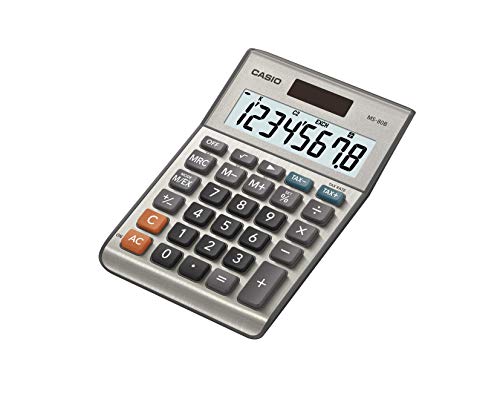
Casio MS-80B Calculator – Desktop Calculator with Tax & Currency Tools | General Purpose | Large Display | Ideal for Home, Office & Everyday Math
LARGE EIGHT-DIGIT DISPLAY – Clear and easy-to-read 8-digit display, perfect for everyday calculations and ensuring accurate results in…
As an affiliate, we earn on qualifying purchases.
As an affiliate, we earn on qualifying purchases.
Conclusion
By mastering these tax strategies, you’ll not only keep more of your earnings but also gain peace of mind. It’s like turning your financial chaos into clarity—saving money while avoiding stress. As a freelance real estate agent, your success hinges on smart planning; think of taxes as an opportunity, not a burden. Embrace these tactics, and you’ll find that the key to thriving lies in your ability to navigate both commissions and credits with confidence.

Optimus 3.0 GPS Tracker – Over 1 Month Battery – with Heavy Duty Waterproof Case and Powerful Magnets for Vehicles and Assets
Accurate, Discreet, Real-Time GPS Tracker with POWERFUL Twin Magnet Case.
As an affiliate, we earn on qualifying purchases.
As an affiliate, we earn on qualifying purchases.

Sooez Accordion File Organizer, 13 Pockets Expanding File Folder, Portable Monthly Paper Bill Tax Receipt Organizer, Letter A4 Size Document Holder with Blank Labels, Black
All-In-One Monthly Organizer: Keep all your important documents in one place with Sooez Accordion File Organizer. 13 pockets…
As an affiliate, we earn on qualifying purchases.
As an affiliate, we earn on qualifying purchases.