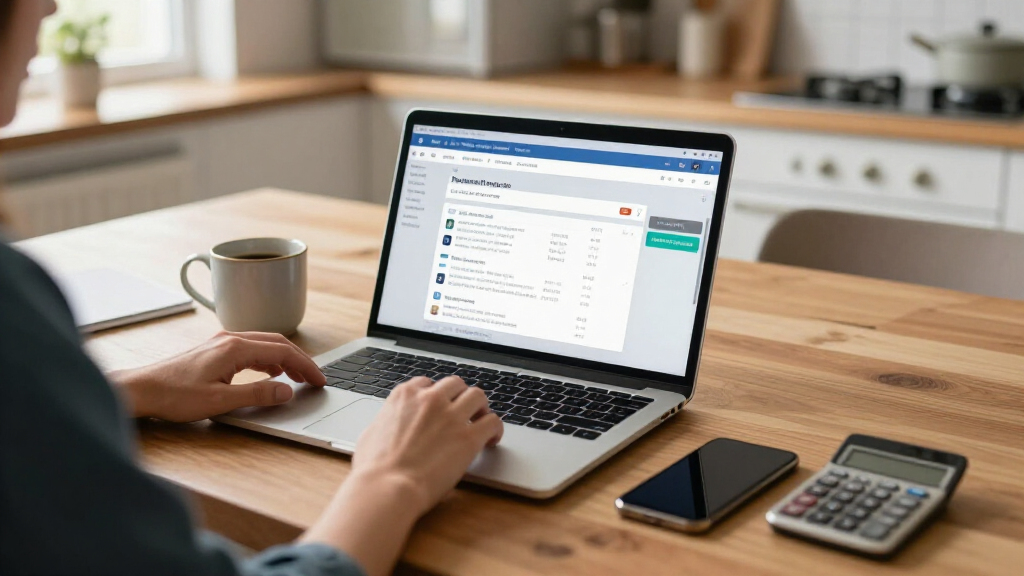

Quicken Classic Business & Personal is my best overall pick for self-employed people who want household and business finances in one place. Quicken Classic Deluxe is a stronger fit for personal budgeting without dedicated business features, while Sage 50 Premium Accounting is geared toward more involved business bookkeeping. The tradeoff is between personal cash-flow visibility, tax-ready business records, and the learning curve or scope of each tool. Some options in this roundup focus on organizing information rather than replacing full accounting software. Read on for how I rank all seven and which one fits your work and recordkeeping needs.

Get smart everyday buys delivered free — and shop member deals
- Fast, free delivery on millions of items
- Access to Prime Big Deal Days deals on October 6–7
- Prime Video, Amazon Music and more included
Key Takeaways
- Quicken Classic Business & Personal ranks first because it combines household and business finance management, while Quicken Classic Deluxe centers on personal finances.
- Sage 50 Premium Accounting offers a more accounting-focused direction than the budgeting and organizer tools, but its broader business scope may exceed the needs of a simple sole proprietorship.
- SavePoint stands apart for offline use and planning tools such as cash-flow views and FIRE projections; it is less suited to buyers seeking a conventional business bookkeeping workflow.
- Express Accounts is a dedicated accounting option, while Self Employed Organizer prioritizes gathering income, expense, purchase, and tax records rather than full accounting.
- The roundup spans distinct needs rather than interchangeable products: household budgeting, business accounting, and sole-proprietor record organization should not be treated as the same job.
| SavePoint Personal Finance Software – Budgeting, FIRE Planning, Monte Carlo Simulations, Balance Sheets, Cash Flow, Offline, No Subscriptions + 8GB USB Drive |  | Best for Offline Financial Planning | Offline operation: Yes | License: Lifetime | Device compatibility: Windows PC and Mac | VIEW LATEST PRICE | See Our Full Breakdown |
| Quicken Classic Deluxe for New Subscribers | 1 Year PC/Mac Online Code |  | Best for Personal Finances Across Multiple Accounts | Platform: PC and Mac | Subscription duration: 1 year | Distribution: Online code | VIEW LATEST PRICE | See Our Full Breakdown |
| Sage 50 Premium Accounting 2024 U.S. Retail Edition |  | Best for Inventory and Job Costing | Edition: U.S. Retail Edition | Version year: 2024 | User count: 1 user | VIEW LATEST PRICE | See Our Full Breakdown |
| Express Accounts Accounting Software (PC Download) |  | Best Free Entry Point for Small-Business Books | Platform: PC | Distribution: Download | License: Free | VIEW LATEST PRICE | See Our Full Breakdown |
| Bookkeeper: Easily Manage Your Business Finances |  | Best for Check Printing and Tax Forms | Check printing: Supports printing on blank check stock | Tax filing: Electronic filing for W-2, 1099-NEC, and 1099-MISC through a third-party service | Tax year support: 2022 and 2023 | VIEW LATEST PRICE | See Our Full Breakdown |
| Self Employed Organizer: Track Your Business Income, Expenses, Major Purchases, Taxes, and All Necessary Info for Sole Proprietors |  | Best Paper-Based Recordkeeping Organizer | Product type: Business finance organizer | Intended user: Sole proprietors | Income tracking: Business income | VIEW LATEST PRICE | See Our Full Breakdown |
| Quicken Classic Business & Personal for New Subscribers | 1 Year [PC/Mac Online Code] | ” image=”https://m.media-amazon.com/images/I/51sQsom78CL._AC_SX342_SY445_QL70_ML2_.jpg” link=”0″] | Best for Combining Business, Personal, and Rental Finances | Product: Quicken Classic Business & Personal | Subscription term: 1 year | Platform: PC and Mac | VIEW LATEST PRICE | See Our Full Breakdown |
More Details on Our Top Picks
SavePoint Personal Finance Software – Budgeting, FIRE Planning, Monte Carlo Simulations, Balance Sheets, Cash Flow, Offline, No Subscriptions + 8GB USB Drive
SavePoint stands out for keeping financial data offline while offering planning tools that go beyond basic expense tracking. For a self-employed person who wants to model long-term savings alongside budgets, its FIRE planning and Monte Carlo simulations can help explore how different assumptions may affect a financial plan. A lifetime license also avoids recurring subscription payments, unlike Quicken Classic Deluxe, which is sold as a one-year subscription. SavePoint supports many currencies and languages, making it a flexible choice for users with international finances. The tradeoff is that its advanced planning features may take more technical confidence to use well, and it runs only on Windows and Mac. I would choose it for private, self-directed planning—not as a replacement for dedicated small-business accounting or tax filing software.
Pros:- Offline operation keeps financial work local rather than requiring an online workflow.
- Lifetime license avoids a recurring subscription.
- FIRE planning and Monte Carlo simulations support long-range scenario planning.
- Supports 8 languages and more than 150 currencies.
Cons:- Limited to Windows and Mac.
- Advanced planning tools may be challenging for users without technical familiarity.
- The listed features focus on personal planning rather than business accounting workflows.
Best for: Self-employed Windows or Mac users who want offline personal budgeting, long-range FIRE projections, and a one-time license.
Not ideal for: Freelancers who need mobile access, integrated business invoicing, or guided workflows for complex accounting tasks.
- Offline operation:Yes
- License:Lifetime
- Device compatibility:Windows PC and Mac
- Languages supported:8
- Currencies supported:150+
- Included storage:8GB USB drive
- Planning features:FIRE planning and Monte Carlo simulations
Our verdict“Choose SavePoint if offline privacy and detailed long-range planning matter more than integrated business bookkeeping.”
Quicken Classic Deluxe for New Subscribers | 1 Year PC/Mac Online Code
Quicken Classic Deluxe suits self-employed buyers who want a broad personal-finance view across bank accounts, credit cards, debt, investments, and property. That wider household picture can help separate personal obligations from business cash-flow concerns, though the listed description does not position Deluxe as dedicated business accounting software. Compared with SavePoint, Quicken emphasizes connected account management and debt tracking rather than offline use and FIRE simulations. Its budgeting and debt-scenario tools make it a more approachable fit for someone monitoring everyday finances, while the one-year subscription is a tradeoff for buyers who prefer SavePoint’s lifetime license. This listing is an online code for new subscribers, so existing users may not qualify. I would pick it for broad personal tracking, not for invoicing or business tax preparation.
Pros:- Covers bank accounts, credit cards, debt, investments, and property.
- Includes budgeting and spending tracking.
- Debt scenarios help users examine possible repayment plans.
- Available for PC and Mac.
Cons:- Requires a one-year subscription rather than offering a lifetime license.
- The offer is specified for new subscribers and may not suit existing users.
- The product description does not list dedicated business invoicing or tax-filing tools.
Best for: A newly subscribing freelancer who wants to track personal accounts, debt, investments, property, and budgets in one PC or Mac program.
Not ideal for: Existing Quicken subscribers, buyers seeking a lifetime license, or sole proprietors who need dedicated invoicing and business accounting tools.
- Platform:PC and Mac
- Subscription duration:1 year
- Distribution:Online code
- Subscriber eligibility:New subscribers
- Account tracking:Bank accounts, credit cards, investments, and property
- Budgeting:Budget and spending tracking
- Debt tools:Debt tracking and scenario simulation
Our verdict“Pick Quicken Classic Deluxe for broad personal account and debt tracking, but choose business-focused software if invoicing is central to your work.”
Sage 50 Premium Accounting 2024 U.S. Retail Edition
Sage 50 Premium is the most business-accounting-focused option here, with invoicing, bill payments, inventory management, job costing, and financial reporting. Those tools matter to a self-employed owner whose work involves stock or project expenses that need to be tracked beyond a personal budget. Compared with Quicken Classic Deluxe, Sage is built around operating a small business rather than combining household accounts and personal debt tracking. That makes it a stronger fit for bookkeeping tasks, but a heavier choice for a freelancer who only needs to monitor income and expenses. The desktop installation and single-user setup also limit collaboration, while accounting features may take time to learn. I would shortlist Sage when inventory or job costs shape the business; simpler personal-finance software is easier for basic budgeting.
Pros:- Includes invoicing and bill-payment tools for business bookkeeping.
- Inventory management suits businesses that sell or track stock.
- Job costing helps organize project-related expenses.
- Financial reporting supports a broader view of business activity.
Cons:- The listed edition is for one user, limiting shared access.
- Desktop installation does not provide a cloud-based workflow.
- Accounting depth may feel complex for users who only need basic income and expense tracking.
Best for: A solo business owner who invoices clients and needs desktop tools for inventory, bills, job costing, and financial reports.
Not ideal for: Freelancers who mainly want a simple personal budget, need cloud-based collaboration, or expect multiple users to work in the same system.
- Edition:U.S. Retail Edition
- Version year:2024
- User count:1 user
- Software type:Desktop accounting software
- Support:One-year Sage Business Care plan
- Business features:Invoicing and bill payments
- Tracking and reporting:Inventory management, job costing, and financial reporting
Our verdict“Choose Sage 50 Premium when inventory and job costing justify full desktop accounting; skip it for straightforward personal budgeting.”
Express Accounts Accounting Software (PC Download)
Express Accounts is the leanest way into business bookkeeping on this list: the supplied details describe it as free PC software for tracking payments and deposits, producing reports, and managing quotes and invoices. That makes it more directly useful for a self-employed operator’s transaction records than SavePoint, whose strengths are offline personal planning and FIRE projections. It also avoids the depth of Sage 50 Premium, which adds inventory and job costing but may be more software than a solo service provider needs. Express Accounts can send reports to an accountant by email or fax, and secure web access is listed for remote management. The main compromises are its PC-only platform and the lack of stated mobile-app support. Buyers should also verify that its available features match their bookkeeping needs before relying on it for business records.
Pros:- Listed as free accounting software.
- Tracks payments and deposits with detailed reports.
- Supports creating and tracking quotes and invoices.
- Reports can be sent to accountants by email or fax.
Cons:- Limited to PC.
- No mobile app support is specified.
- The description does not establish the depth of its accounting and tax features.
Best for: A PC-using solo service provider who wants free tools for basic payment tracking, quotes, invoices, and reports.
Not ideal for: Mac users, people who need a stated mobile app, or businesses requiring Sage-style inventory management and job costing.
- Platform:PC
- Distribution:Download
- License:Free
- Transaction tracking:Payments and deposits
- Sales documents:Quotes and invoices
- Reporting:Detailed financial reports
- Remote access:Secure web access listed
Our verdict“Start with Express Accounts if you use a PC and need basic business tracking without the broader accounting scope of Sage 50 Premium.”
Bookkeeper: Easily Manage Your Business Finances
Bookkeeper is a specialized pick for owners whose routine includes printed checks and tax forms, rather than an all-purpose personal finance hub. It supports printing checks on blank stock and electronic filing for W-2, 1099-NEC, and 1099-MISC through a third-party service. That gives it a different role from Express Accounts, which is described around transaction tracking, quotes, invoices, and reports. Bookkeeper’s tax-year information covers 2022 and 2023, so buyers should confirm that the software and filing service meet their current needs before choosing it for tax work. Its check layout cannot be customized, and the third-party filing requirement adds a separate dependency. The limited product details also make it harder to judge how well it handles broader bookkeeping compared with Sage 50 Premium.
Pros:- Prints checks on blank check stock.
- Supports electronic filing for W-2, 1099-NEC, and 1099-MISC through a third-party service.
- Includes tax table support for 2023.
- Targets practical business-finance tasks rather than only household budgeting.
Cons:- Check layouts cannot be customized.
- Electronic tax filing depends on a third-party service.
- The described tax-year support is limited to 2022 and 2023, and broader software features are not well specified.
Best for: A small-business owner who needs blank-stock check printing and a supported route to file W-2 or 1099 forms electronically.
Not ideal for: A buyer who needs current-year tax support confirmed, customizable check layouts, or clearly documented full-featured accounting tools.
- Check printing:Supports printing on blank check stock
- Tax filing:Electronic filing for W-2, 1099-NEC, and 1099-MISC through a third-party service
- Tax year support:2022 and 2023
- Check layout customization:Not supported
- Business use:Business finance management
- Tax tables:Updated tax tables for 2023
Our verdict“Choose Bookkeeper for its check-printing and tax-form workflow only after confirming its tax-year coverage and third-party filing requirements.”
Self Employed Organizer: Track Your Business Income, Expenses, Major Purchases, Taxes, and All Necessary Info for Sole Proprietors
This organizer makes the most sense for a sole proprietor who wants a simple place to record business finances without taking on a software setup. It covers income, expenses, major purchases, and tax-related information, giving self-employed buyers a structure for keeping records together. Compared with Quicken Classic Business & Personal, it has no described digital tools for cash-flow views, built-in tax reports, or rental tracking; its appeal is a narrower, straightforward recordkeeping approach. That simplicity is also the main tradeoff: the listing provides no details about format, worksheets, or calculations, and mentions no automation or digital features. I’d choose it for organizing information manually, not for syncing accounts or producing reports. Buyers who need those capabilities should look at a software option instead.
Pros:- Organizes business income and expenses for sole proprietors
- Includes tracking for major purchases
- Provides a place to keep tax-related information together
Cons:- No digital features or account syncing are described
- The product details do not specify its format or how tracking is structured
- No built-in reporting or automated calculations are listed
Best for: Sole proprietors who prefer manually organizing income, expenses, purchases, and tax information in one place.
Not ideal for: Self-employed buyers who need bank syncing, automated calculations, digital cash-flow reports, or rental-property management.
- Product type:Business finance organizer
- Intended user:Sole proprietors
- Income tracking:Business income
- Expense tracking:Business expenses
- Purchase tracking:Major purchases
- Tax information:Designed to organize tax-related information
Our verdict“Choose this organizer if you want a manual recordkeeping aid, but pick Quicken Classic Business & Personal if you need digital tools and reports.”
Quicken Classic Business & Personal for New Subscribers | 1 Year [PC/Mac Online Code]
” image=”https://m.media-amazon.com/images/I/51sQsom78CL._AC_SX342_SY445_QL70_ML2_.jpg” link=”0″]Best for Combining Business, Personal, and Rental Finances
View Latest PriceFor a self-employed buyer whose finances span a business, household, and rental property, Quicken Classic Business & Personal is the broadest fit in this pair. Its listed tools include cash-flow tools and built-in tax reports, alongside rental-property management, so related financial records can live in one platform. That scope sets it apart from the Self Employed Organizer, which is aimed at recording sole-proprietor income, expenses, purchases, and tax information but has no described digital features. The tradeoff is a one-year subscription that requires renewal, plus limited detail about the specific features included. Someone who only needs a basic place to record business transactions may find the wider personal and rental focus unnecessary. I’d favor Quicken when keeping several types of finances together matters more than a narrowly focused organizer.
Pros:- Combines business and personal finance management
- Includes built-in tax reports and cash-flow tools
- Supports rental-property management
- Available for PC and Mac
Cons:- Requires subscription renewal after the one-year term
- The product description gives limited detail about specific features
- Its business, personal, and rental scope may be more than a single-business owner needs
Best for: Self-employed PC or Mac users who also manage household finances or rental property and want tax reports and cash-flow tools in one platform.
Not ideal for: Sole proprietors seeking a simple, narrowly focused organizer or buyers who do not want a subscription that requires renewal after one year.
- Product:Quicken Classic Business & Personal
- Subscription term:1 year
- Platform:PC and Mac
- Delivery format:Online code
- Subscriber eligibility:New subscribers
- Finance management:Business, rental, and personal finances
- Tax tools:Built-in tax reports
- Cash-flow tools:Included
- Rental management:Rental-property management
Our verdict“Choose Quicken if you want to manage self-employment alongside personal or rental finances, and accept a renewable subscription.”

How We Picked
I ranked these tools by how well their stated purpose matches the mixed financial workload of self-employment: tracking business activity, keeping personal cash flow visible, organizing records for tax time, and choosing a workflow a solo operator can maintain. I also weighed the scope of each product against likely buyer needs, including whether a buyer wants offline planning, dedicated accounting functions, or a simpler organizer. Product names and descriptions guided this comparison; I do not assume unlisted integrations, tax filing capabilities, or automatic data connections.
Quicken Classic Business & Personal leads because it directly bridges personal and business finance. Options focused on accounting follow for buyers whose main need is business recordkeeping, while Quicken Classic Deluxe and SavePoint better serve personal planning or offline finance management. The organizer products rank lower for buyers who need a complete accounting system, but they may fit people who mainly want a structured place to collect sole-proprietor information. This order reflects fit and scope, not a claim that every self-employed person needs the most feature-heavy tool.
Factors to Consider When Choosing Personal Finance Software For Self-employed
Self-employed finances cross boundaries that personal budgeting software and business accounting software handle differently. I would start by deciding which records must be reliable and easy to retrieve, then choose the lightest tool that supports that job without creating duplicate bookkeeping.
Separate business and household visibility
Self-employment makes personal cash flow less predictable, but that does not mean business and household records should be mixed together. Decide whether you need one view for both, or separate ledgers that make work-related activity easier to identify. A combined view can help with planning owner draws and household budgets, while distinct records can reduce confusion when preparing business summaries. A common mistake is choosing a personal finance app because it displays all accounts together, then assuming that makes its records suitable for bookkeeping. If you keep separate business accounts, check that your chosen workflow preserves that separation in reports and exports. Prioritize clarity over convenience if you may need to explain transactions to a tax professional.
Match accounting depth to your business
A freelancer with a small number of recurring expenses may need a simpler system than a business with inventory, payroll, or complex reporting. More accounting functions can support detailed records, but they also add setup and maintenance work. Before choosing, list the tasks you actually perform: recording income, categorizing expenses, tracking invoices, reconciling accounts, or producing reports. Do not pay in time and attention for workflows you will not use. At the same time, an organizer that only collects information may leave you doing the accounting elsewhere. Choose a product whose scope matches your actual operations, with room for foreseeable growth.
Plan for taxes without assuming the software files them
Tax organization and tax preparation are different jobs. A program may help gather income, expenses, and major purchases without calculating every deduction or submitting a return. Confirm what reports and records the tool can produce, and whether those formats suit your accountant or tax-preparation process. Keep source documents such as receipts and invoices in a dependable system rather than relying on category totals alone. One frequent error is waiting until filing season to decide whether records are complete. Set a regular review cadence that fits your business, and check whether the software supports the record trail you need.
Check device, access, and data needs
Software that works on a particular computer or offline may fit a solo operator who values local access, while another person may need access from multiple devices. Verify the supported operating systems and the actual access model before buying, especially when a listing names a PC or Mac code. Ask how you will back up records and recover them if a device fails. Offline access can reduce dependence on an internet connection, but it may limit shared work or automatic syncing. Cloud access can make records easier to reach, yet it introduces account and data-security questions. Pick based on where and how you will maintain records, not on a feature label alone.
Account for setup and ongoing upkeep
The best system is one you keep current. Estimate how much time you can spend categorizing transactions, reconciling balances, and reviewing reports each month. A broad accounting package may offer more control but demand more setup than a focused personal finance tool or organizer. Conversely, a very simple workflow can become burdensome if you repeatedly enter the same information in other systems. Before committing, map the steps from receiving income to storing the supporting document and reviewing the result. If you work with a bookkeeper or accountant, ask what file formats and reports make collaboration easier.
Choose for your next business stage, not just today
Self-employed work can change quickly: a side project may become a full-time business, or a solo operation may add contractors and more complex reporting. Think about which change would force you to replace your software, and whether that is an acceptable tradeoff. A tool that is easy to maintain now can be the right choice even if it is not built for every future need. However, buyers expecting more complex operations soon should avoid a system that only stores basic income and expense details. Look for a clear path to export records so a later move does not trap your financial history. Growth planning should guide your choice without turning a simple business into an unnecessarily elaborate setup.
Frequently Asked Questions
Can personal finance software replace accounting software for a sole proprietor?
Sometimes, but only when the personal finance tool supports the records and reports your business actually needs. A budget view can clarify household cash flow without providing a complete accounting workflow. Check whether you can separate business transactions, categorize expenses, retain supporting records, and export useful summaries. If you invoice clients, reconcile accounts, or need more formal reports, a dedicated accounting product may be a better fit. When uncertain, ask your tax professional which records they expect before moving your bookkeeping into a personal finance tool.
Should I choose a combined personal-and-business tool or keep the finances separate?
A combined tool can help you understand how irregular business income affects household planning, while separate records can make business activity easier to review. The right choice depends on whether the software preserves clear business categories and reports rather than simply showing all balances together. Separate business bank accounts can help maintain cleaner records regardless of the program you choose. Avoid treating a combined dashboard as proof that your books are properly separated. If you use an accountant, ask whether a combined workflow will make their review easier or create extra sorting work.
Is an income-and-expense organizer enough for tax-time records?
An organizer can be enough for someone who mainly needs a consistent place to collect income, expenses, purchase details, and other sole-proprietor information. It may not replace bookkeeping, tax calculations, or return filing. Confirm that it preserves transaction details and supporting documents in a form you can retrieve later. If you already use another system for invoices or accounting, check whether the organizer creates duplicate entry. Treat it as a recordkeeping aid unless its listed functions clearly cover the full workflow you need.
When does a more advanced accounting program make sense for a self-employed person?
A more advanced accounting program makes sense when basic tracking no longer gives you enough detail to manage business activity or prepare useful reports. This can happen as transactions grow, financial workflows become more involved, or other people need access to consistent records. More capability also means more setup and ongoing bookkeeping effort, so it may be unnecessary for a simple operation. List the tasks that currently consume time or cause uncertainty before choosing a larger system. If those tasks are limited to household budgeting and occasional expense tracking, a personal finance tool may be a closer fit.
What should I verify before buying a PC or Mac finance software code?
Check the supported operating system, whether the product is a download or an online code, and how long the included subscription or access period lasts. Confirm whether the software stores data locally, online, or through a mixed setup, then plan how you will back up your records. Also verify whether the product supports the reports and exports your accountant expects. Product editions can differ, so compare the exact edition named in the listing rather than relying on the brand alone. These checks can prevent a mismatch between your computer, preferred workflow, and recordkeeping needs.
Conclusion
Best overall: I recommend Quicken Classic Business & Personal for self-employed buyers who want personal and business finance management together. Best value for personal budgeting: Quicken Classic Deluxe makes more sense when household money management matters more than dedicated business features. Best premium accounting direction: Sage 50 Premium Accounting suits buyers who need a more involved accounting workflow and are prepared for added setup. Best for beginners: Self Employed Organizer is a straightforward starting point for collecting sole-proprietor income, expenses, purchases, and tax information, though it should not be mistaken for full accounting software. Best for specific needs: choose SavePoint for offline personal planning and projections, or Express Accounts when your priority is dedicated accounting rather than household budgeting. My deciding question would be whether you need business books, personal cash-flow planning, or organized records most; choose the product built around that job.
Fall Picks
fall essentials
As an affiliate, we earn on qualifying purchases.